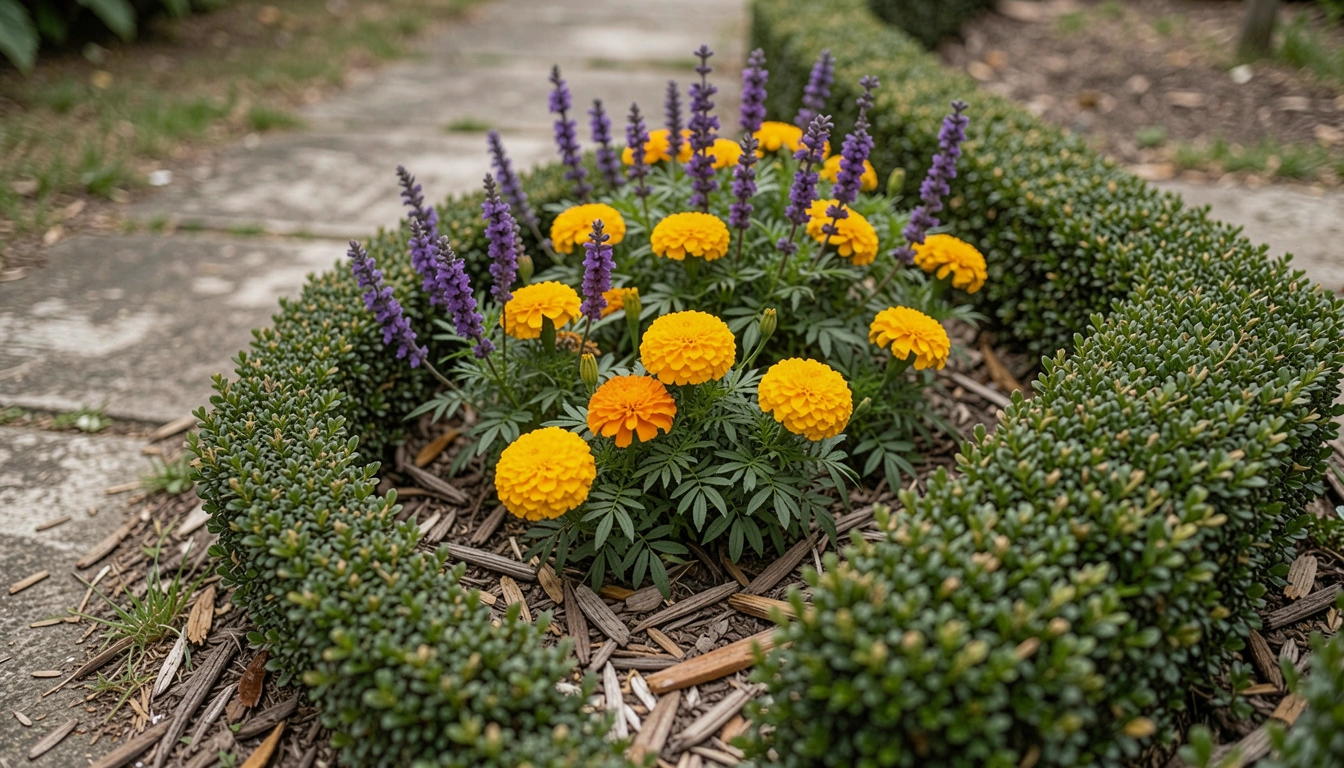
12 Flower Bed Ideas To Brighten Your Garden
I kept a sad strip of lawn for years before I planted a proper bed.
It changed how I use the yard. I sit out more. I notice blooms.
These ideas come from the beds I actually dug, fixed, and learned from.
12 Flower Bed Ideas To Brighten Your Garden
These 12 ideas are practical and real.
They’re things I planted and lived with.
You’ll get clear takes on what to buy and what to skip.
1. Layered Cottage Bed with Self-Seeding Annuals
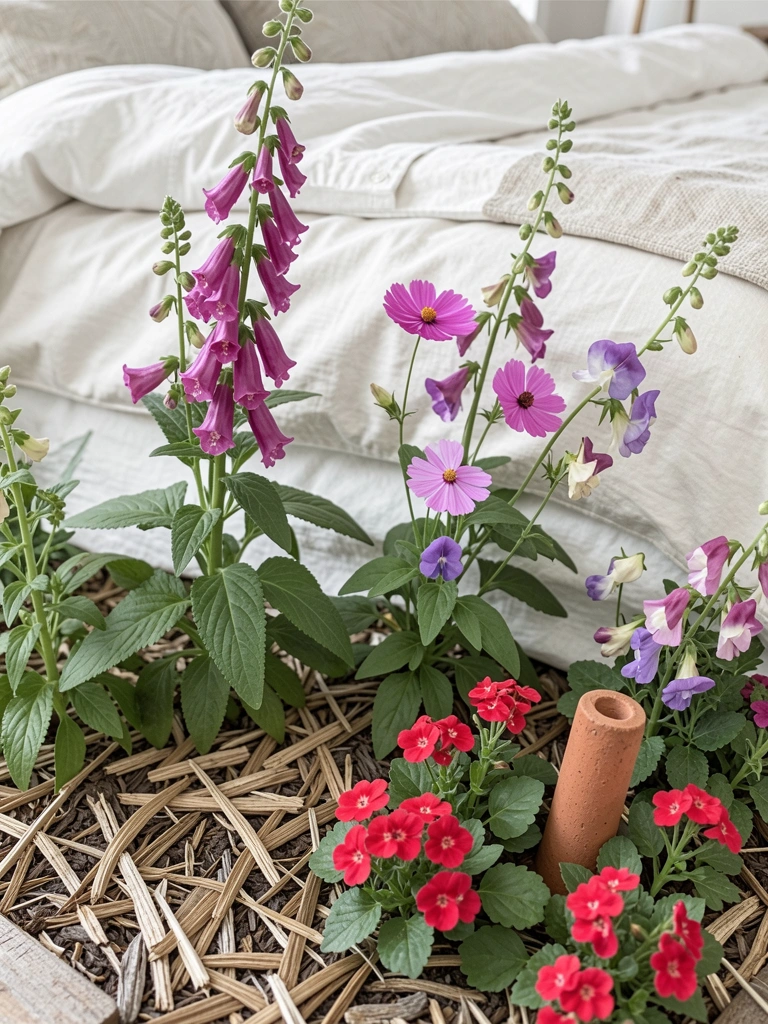
I wanted a relaxed, overflowing bed, so I mixed tall foxgloves in the back, mid-level salvias, and low geraniums. It felt chaotic at first. Then the self-seeding annuals filled gaps the next year. I learned to thin in late spring—too many seedlings will crowd perennials.
The bed looks softer and hums with bees. I trimmed spent stems to keep it tidy.
What You’ll Need for This Look
- Foxglove (digitalis) seedlings
- Cosmos and sweet pea seeds
- Low geraniums (groundcover)
- Coarse natural mulch (2–3 in)
2. Modern Linear Bed with Grasses and Evergreens

I built a narrow, straight bed along the driveway. I planted feather reed grass with dwarf boxwood. It reads clean and calm. The grasses sway; the evergreens hold structure in winter.
I once planted too many grasses and had to remove half. Now I space them wider. The result feels modern but not cold. A few river stones help with drainage and look intentional.
What You’ll Need for This Look
- Feather reed grass (1–2 gal)
- Dwarf boxwood (12–18 in)
- Smooth river stones (decorative)
- Landscape fabric (breathable)
3. Shade-Loving Layer with Ferns and Hosta
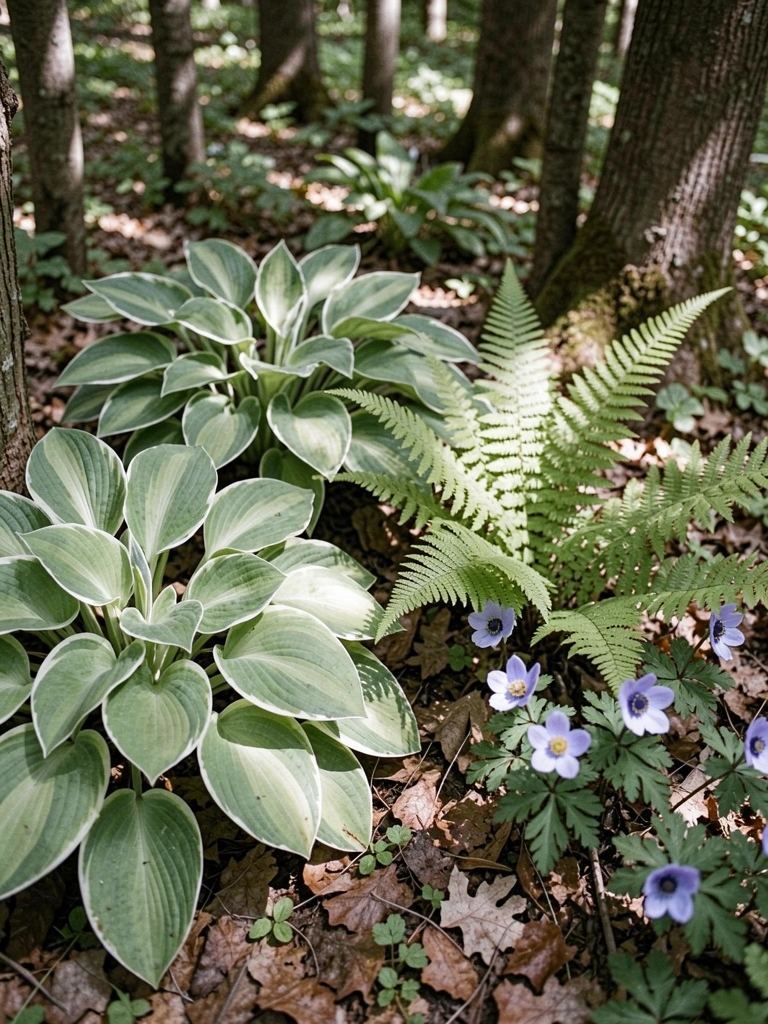
My north-facing side yard finally got attention when I planted hostas, ferns, and woodland anemones. The leaves give a lush, cool feel. I used compost-rich soil and kept watering steady the first season.
I made the mistake of planting a sun-loving perennial in a corner—its leaves browned fast. Now I check light for each plant. This bed feels calm and stays green most of the year.
What You’ll Need for This Look
- Hosta varieties (medium/large)
- Japanese painted fern
- Woodland anemone (Anemone nemorosa)
- Rich compost, 2–3 in top dressing
4. Pollinator Patch with Native Wildflowers
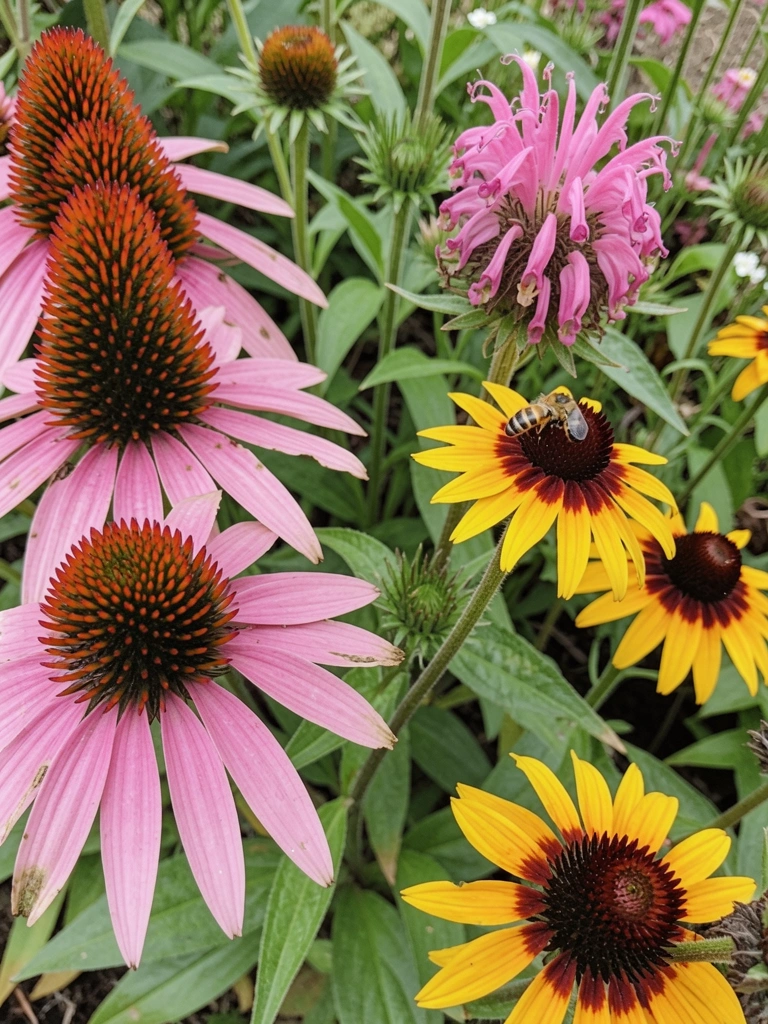
I cleared a weedy corner and planted native echinacea, bee balm, and black-eyed Susans. The yard became louder with bees and butterflies. It’s less tidy, but full of life.
I learned natives need less water once established. I did over-fertilize the first year and got leggy stems. Now I feed sparingly. This bed brought back insects I hadn’t seen in years.
What You’ll Need for This Look
- Echinacea (coneflower) plugs
- Bee balm (Monarda)
- Rudbeckia (black-eyed Susan)
- Native wildflower seed mix
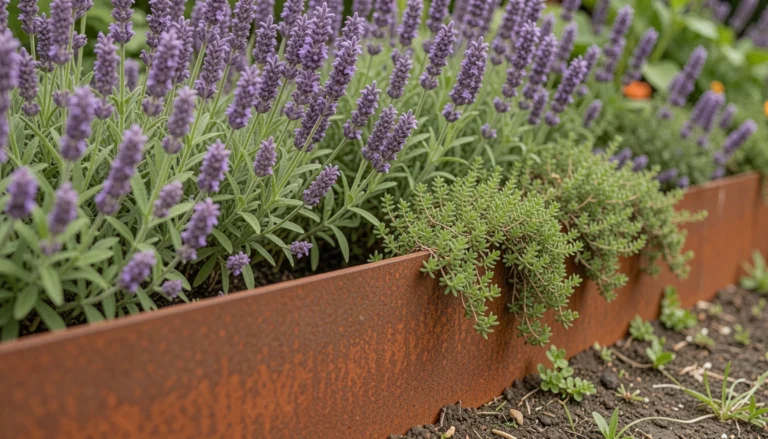
5. Long-Bloom Perennial Ribbon for Continuous Color
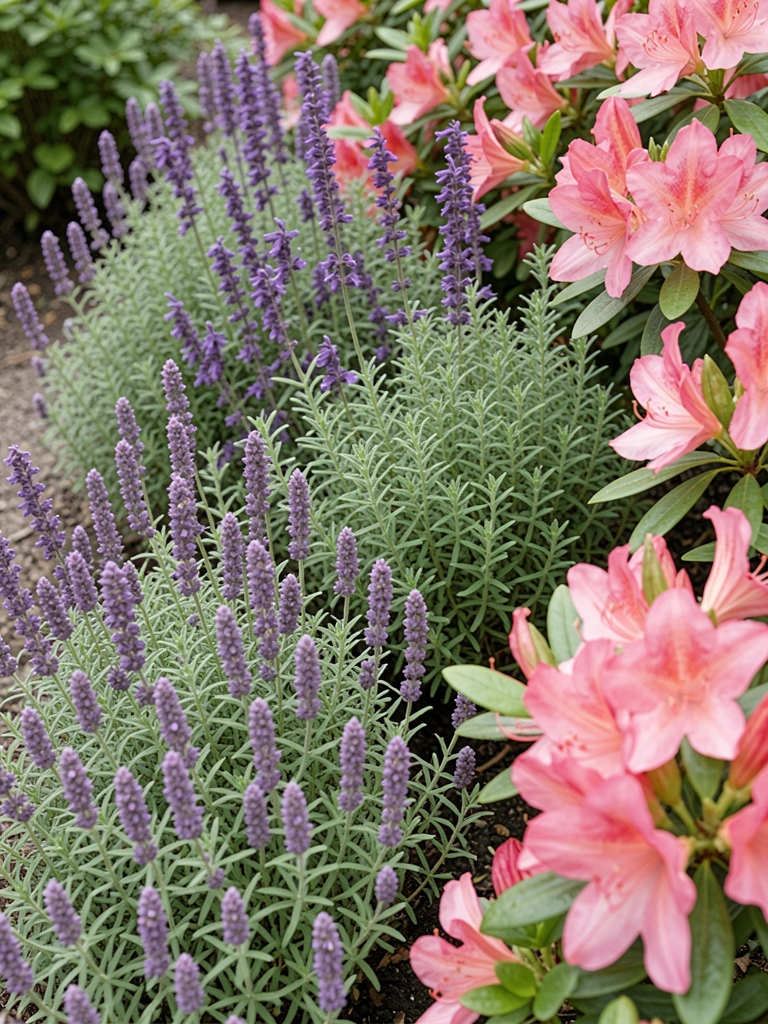
I planted a ribbon of perennials that bloom at different times: early tulips, spring catmint, summer salvias, and late asters. It reads like a slow-moving wave of color.
The trick was matching heights. I once had tall asters blocking low spring bulbs. I rearranged the order. Now I get color from April to October without replanting.
What You’ll Need for This Look
- Lavender and catmint (front/mid)
- Salvia and daylilies (mid)
- Late asters (back)
- Bulb mix for early spring
6. Raised Bed with Mixed Edibles and Flowers
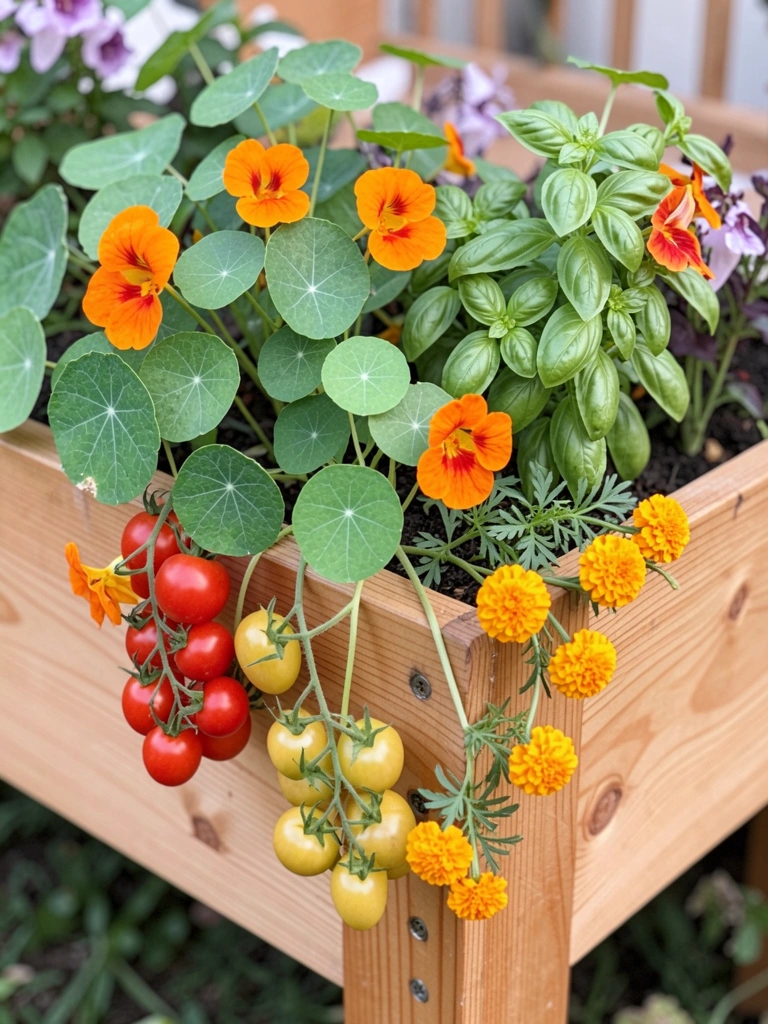
I converted a weedy patch into a raised cedar bed. I mix edibles with flowers: tomatoes, basil, nasturtiums, and marigolds. It’s productive and looks cheerful from the kitchen window.
I overfilled bags of soil at first and had drainage issues. After adding grit and compost, roots stopped puddling. The bed taught me that form and function can coexist.
What You’ll Need for This Look
- Raised cedar bed (4×4 ft)
- Vegetable mix soil (well-draining)
- Tomatoes (determinate), basil
- Nasturtium and marigold seeds
7. Rock Garden Bed for Dry, Sunny Spots
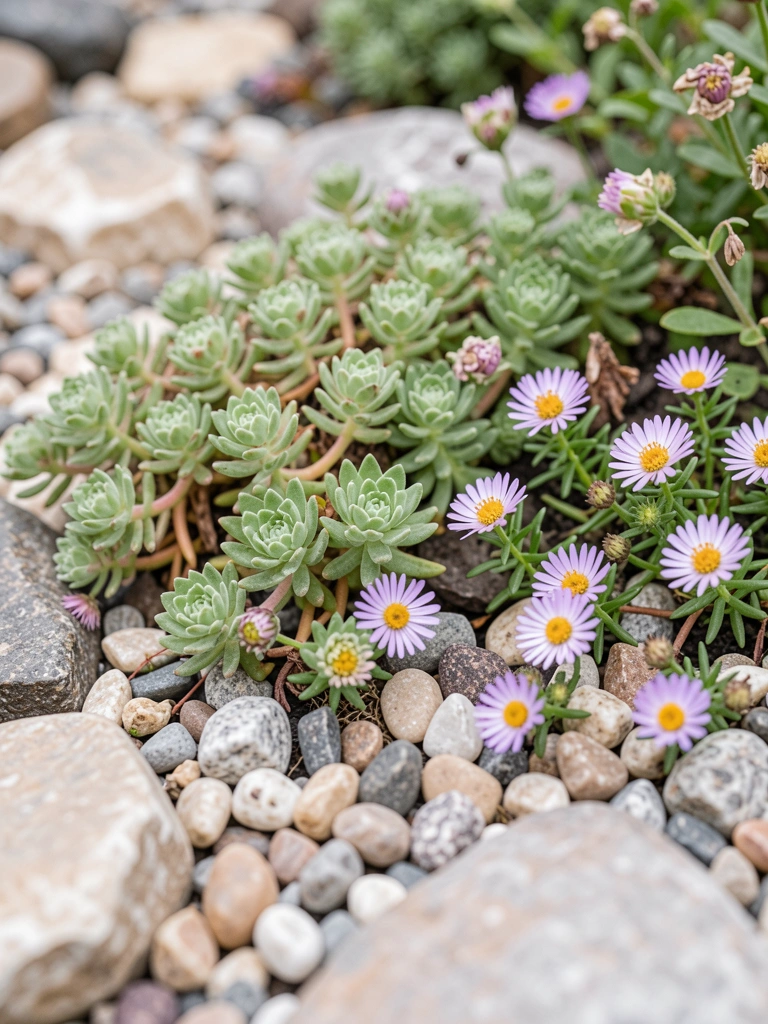
A poor, sunny slope got a makeover with rocks and drought-tolerant plants. I used sedums, alpine asters, and saxifraga. They take heat and little water.
I once planted one too-deep and it rotted. Now I plant shallow, in gritty soil. The bed feels wild but controlled. It’s low-maintenance and brightens hot corners.
What You’ll Need for This Look
- Assorted sedum varieties (low)
- Saxifraga and alpine asters
- Mixed gravel and coarse sand
- Flat stepping stones
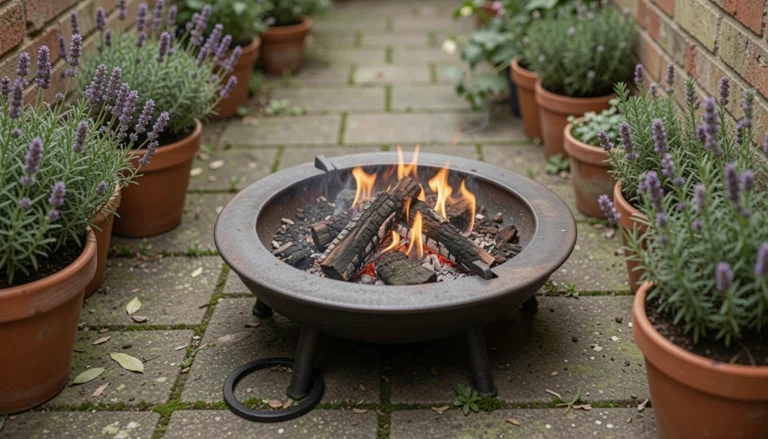
8. Fragrant Evening Bed Near Seating
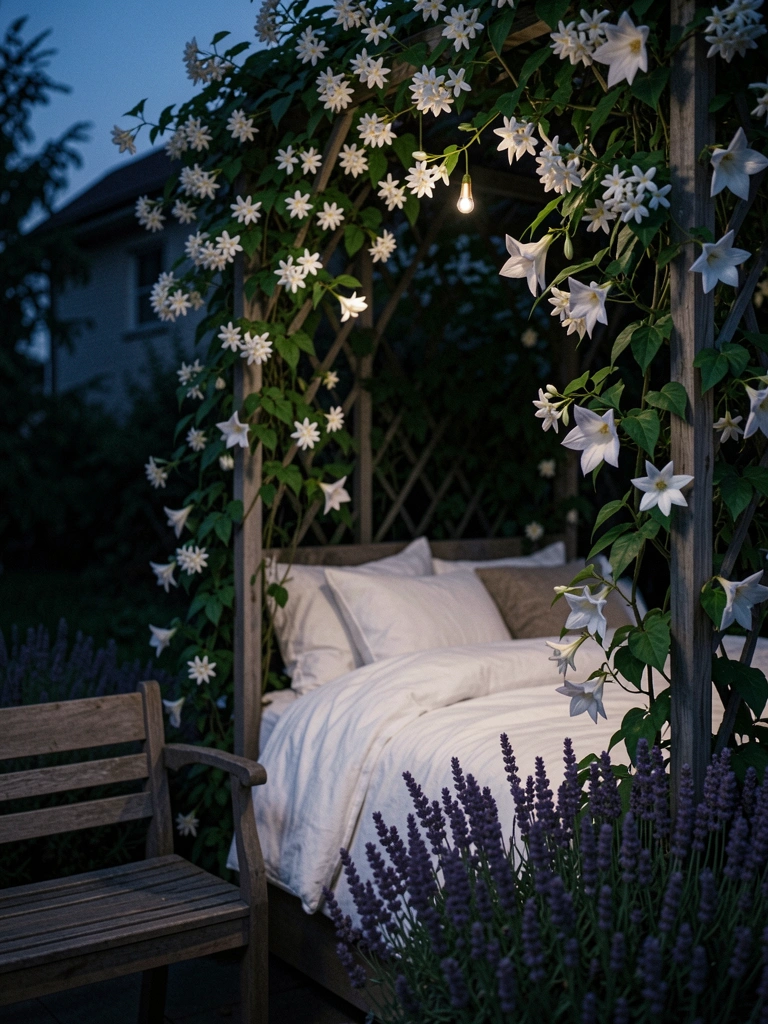
I planted a small bed next to our evening bench with night-blooming jasmine, lavender, and a moonflower vine. At dusk the scent changes the whole space.
I planted jasmine too close to the bench at first and it overran the seat. I pruned it back hard. Now the scent is gentle. This bed turns a bench into a place you want to linger.
What You’ll Need for This Look
- Night-blooming jasmine vine
- Lavender (compact)
- Moonflower seeds and small trellis
- Pruning shears
9. Pollarded Shrub Border with Seasonal Underplanting

I pollarded small shrubs to give them a tidy head and planted bulbs and low annuals beneath. Crocus in spring, then alyssum in summer. The structure gives rhythm through the year.
I cut one too late in spring and lost flowers. Timing matters. When done right, the beds read structured but still friendly.
What You’ll Need for This Look
- Small pollarded shrubs (e.g., prunus, hawthorn)
- Crocus bulbs and alyssum
- Fine bark mulch
- Sharp pruning saw
10. Blue-and-White Palette Bed for a Calm Corner
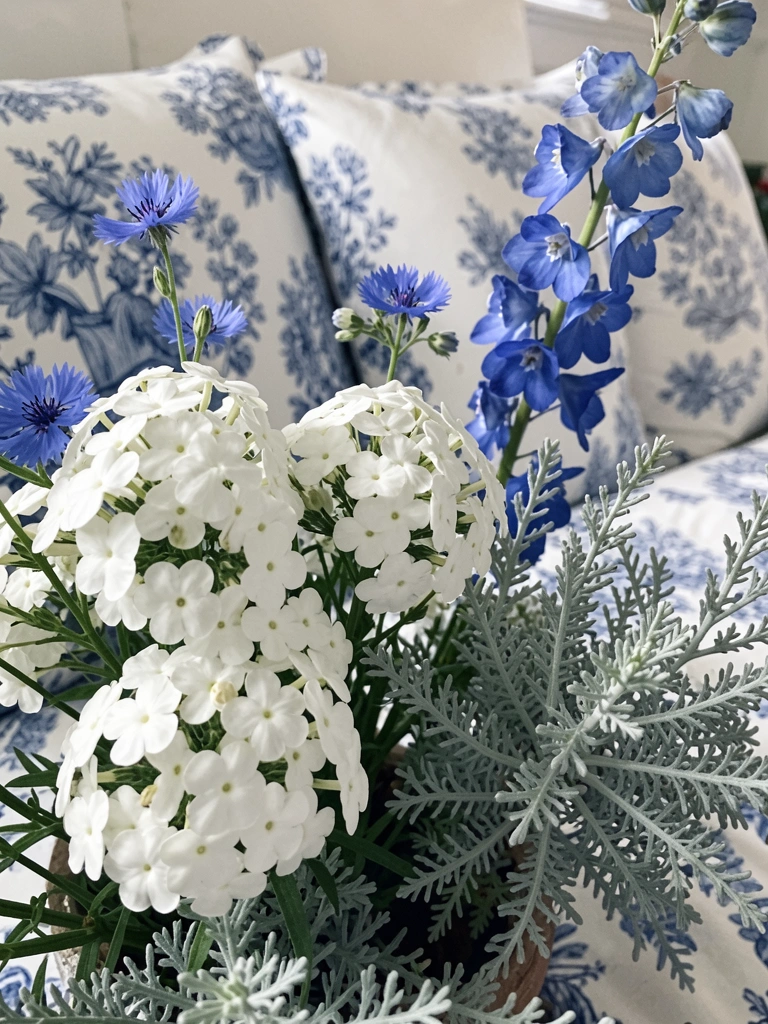
I committed a whole corner to blues and whites: delphinium, cornflower, white phlox, and artemisia for silver leaves. The palette quiets the eye and makes an instant seating spot feel restful.
I did buy one “blue” variety that leaned purple. I swapped it for a truest blue delphinium. Pay attention to tones when you buy. The result is cool, clean, and steady.
What You’ll Need for This Look
- Delphinium (blue)
- Cornflower (Centaurea cyanus)
- White phlox
- Silver artemisia
11. Mini-Meadow Strip for Casual Roadsides
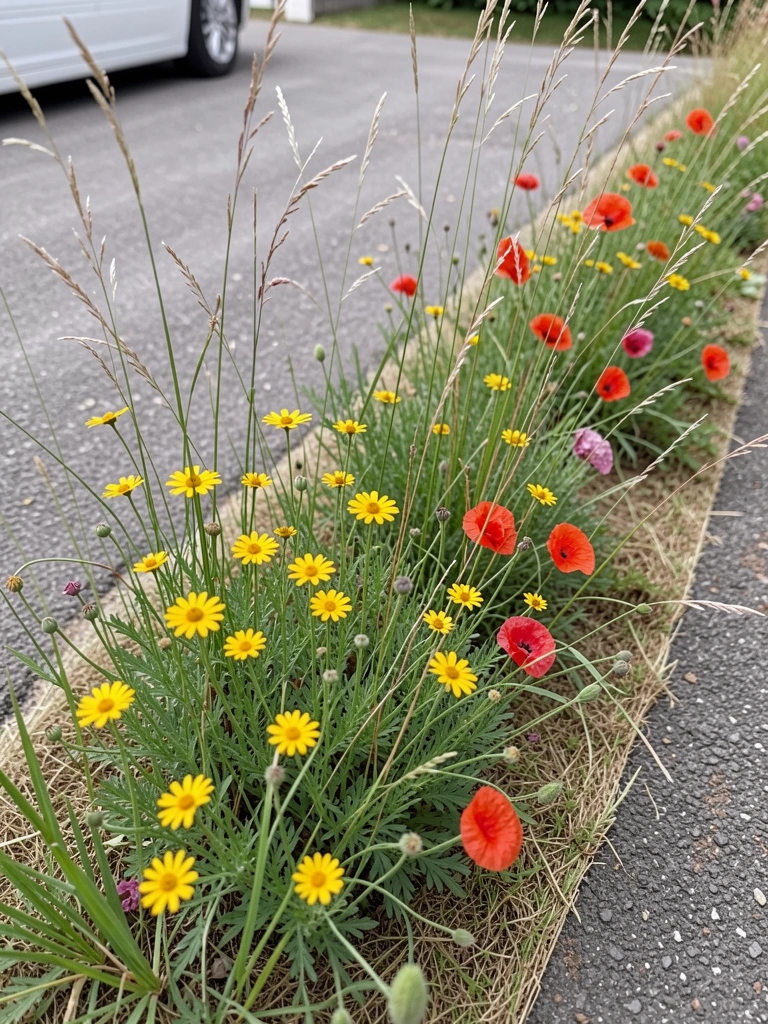
Along a narrow verge I planted a mini-meadow strip. Tall grasses with oxeye daisies and poppies make a relaxed ribbon. I leave a mown edge so it reads intentional.
First year I let it get tangled and it looked unkempt. Now I cut it back in late fall and it comes up healthier. It’s low-care but needs a yearly tidy.
What You’ll Need for This Look
- Native meadow grass plugs
- Oxeye daisy and poppy seed mix
- String trimmer and edge spade
- Compost top-dress (optional)
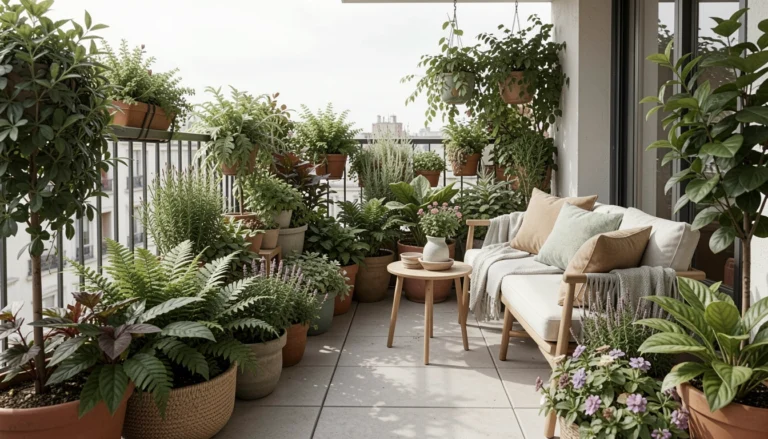
12. Container-Backed Bed for Small Patios

My tiny patio gets a full-bed feel with a row of containers behind a narrow planted border. Trailing petunias in pots cascade over a low perennial edge. It gives depth without a big footprint.
I once used cheap soil and pots dried out fast. Upgrading to a moisture-retentive mix and a saucer solved that. Containers and a front border give personality to small spaces.
What You’ll Need for This Look
- Terracotta pots (8–12 in) with saucers
- Moisture-retentive potting mix
- Trailing petunias or calibrachoa
- Small perennial border plants (6–8 in)
Final Thoughts
You don’t have to try every idea at once.
Pick one bed and live with it a season.
Gardening is small experiments and honest fixes. I still mess up—but that’s how I learn.
Start simple and buy quality where it counts.