12 DIY Garden Fence Ideas For Privacy And Style
I spent years fussing with fences that felt like afterthoughts.
I finally learned a fence can be the room-maker in a small yard.
These are practical fixes I actually built or fixed. Real materials. Real mistakes.
They’re simple to copy. You’ll see exactly what to plant or buy.
12 DIY Garden Fence Ideas For Privacy And Style
These 12 ideas are hands-on and realistic.
I tried each one in a real garden.
You’ll get usable options for privacy and looks—12 ways total.
1. Vertical Pallet Privacy Wall with Mixed Pots
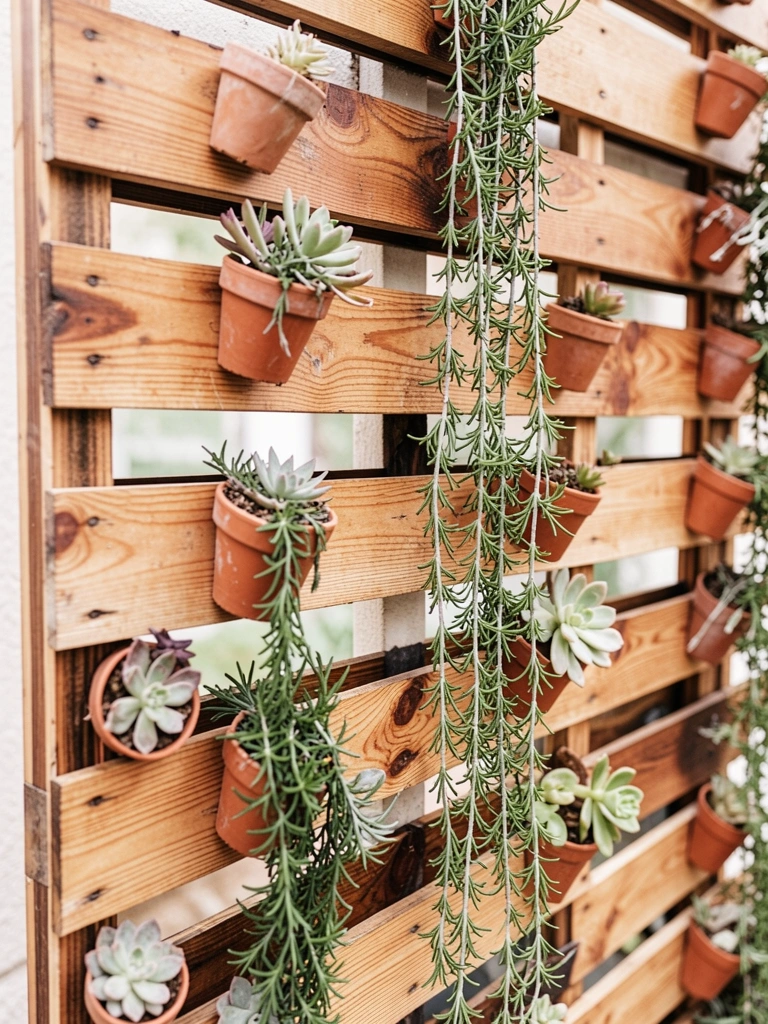
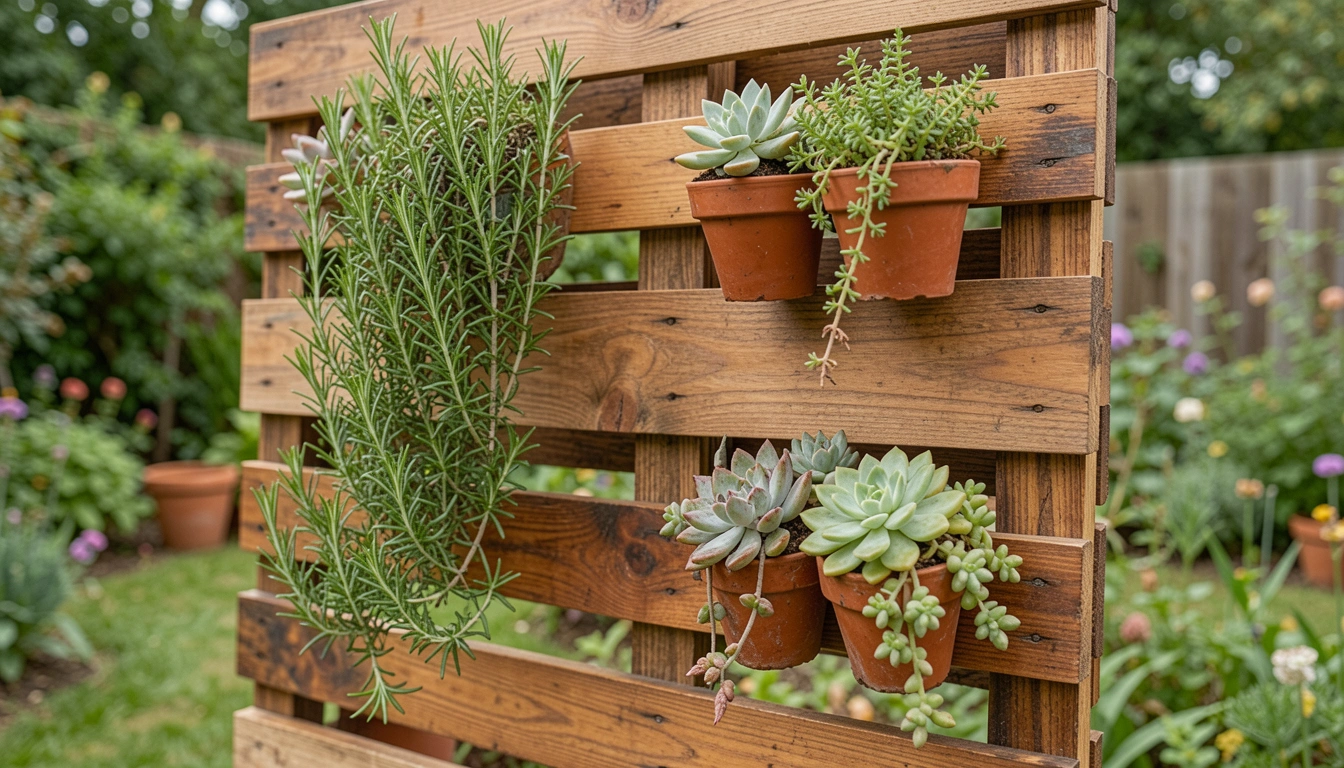
I built a pallet wall when I needed privacy fast.
It felt instant and cozy, like a borrowed room.
I learned the hard way that untreated pallets rot fast at the base. I now elevate the bottom and seal the wood.
Visually, the pots break up the plank lines and add texture.
Plant rosemary, sedum, and a trailing ivy for variety.
What You’ll Need for This Look
- Vertical pallet or slatted panel, stained or sealed
- 4–6 small terracotta pots (4–6 inch)
- Outdoor pot hooks and screws
- Wood sealer or exterior paint
2. Classic Picket with Climbing Roses
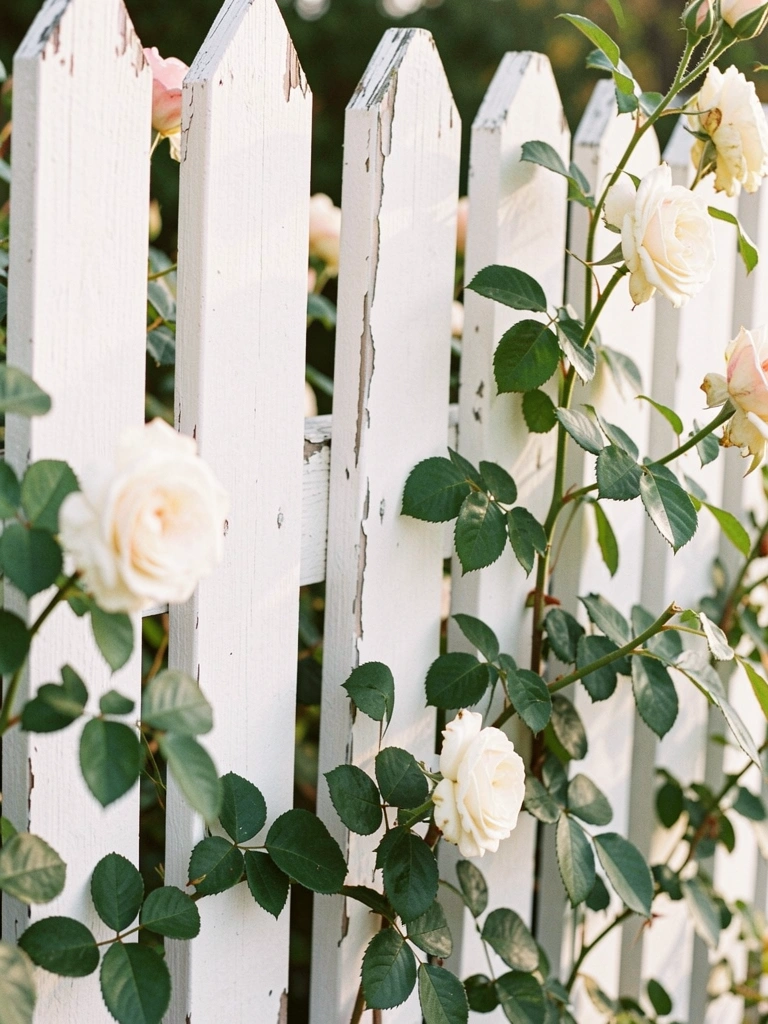
I installed a white picket and planted climbing roses along it.
It made the front feel friendly and slow.
I once planted roses too close together. They fought for space and mildew crept in. Space them wider than I did.
The roses soften the fence and add scent on warm evenings.
Prune lightly and train the canes horizontally for better blooms.
What You’ll Need for This Look
- Wooden picket fence, white or off-white
- Climbing rose bare-root or potted plants
- Garden twine and soft ties
- Long-handled pruners
3. Bamboo Roll Screen for Fast, Natural Privacy
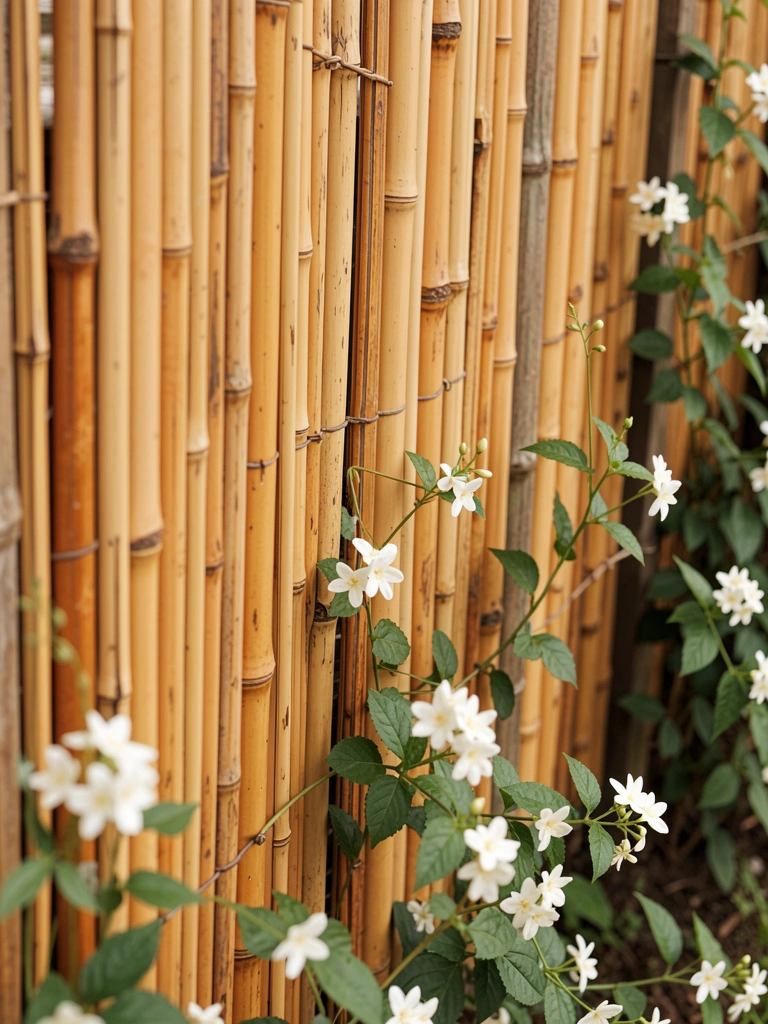
When hedges were too slow, I unrolled bamboo screening.
It gives immediate height and a warm tone.
My mistake: I used thin screening against wind. It shredded in a storm. Use thicker rolls or back it with simple posts.
It’s breathable, so the yard keeps light. I plant jasmine at the bottom for scent and coverage.
Great for budget projects that still look intentional.
What You’ll Need for This Look
- Heavy-duty bamboo roll screen (6–8 ft high)
- Galvanized staples or zip ties
- 2×4 posts or metal stakes
- Jasmine or fast-climbing vine
4. Lattice Trellis Layered with Honeysuckle
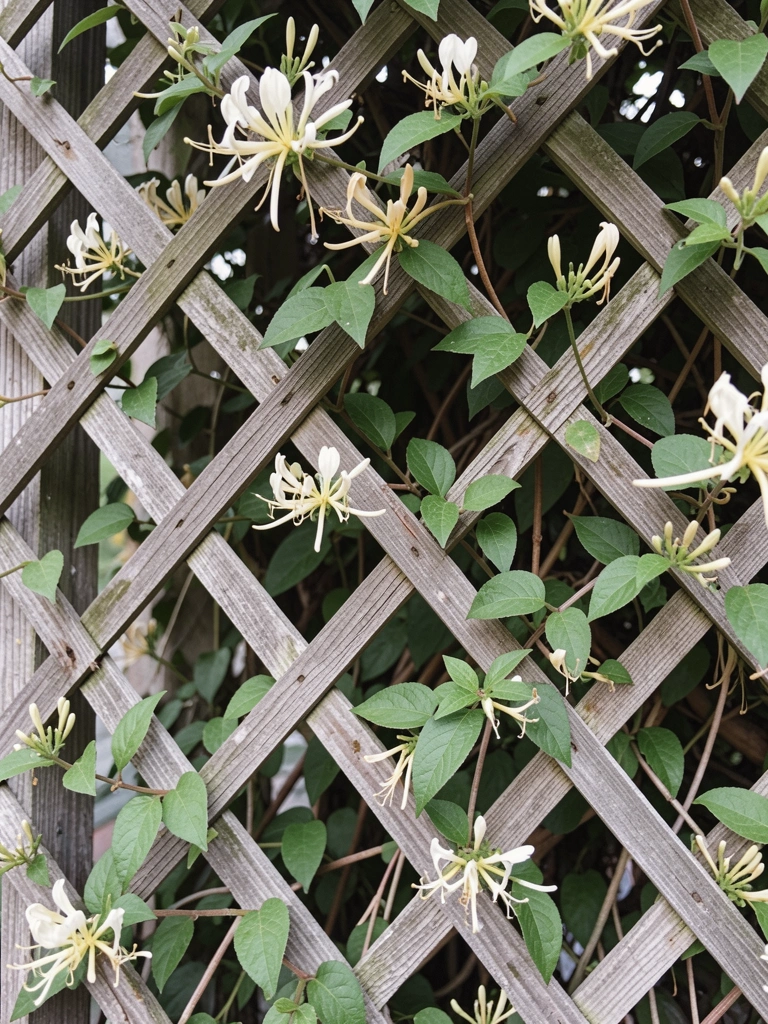
I attached lattice panels to a tired fence and planted honeysuckle.
The lattice reads lighter than a solid wall, but still feels private.
At first I under-planted and the vine took three years to look full. Add a second starter plant to speed things up.
The scent in late afternoon is why I keep it. The light patterns through the lattice are cozy.
Train the vines and add clips for support.
What You’ll Need for This Look
- Wooden or vinyl lattice panels
- Honeysuckle plants (2–3)
- Plant clips or soft ties
- Small trellis screws
5. Espaliered Fruit Trees Against a Fence
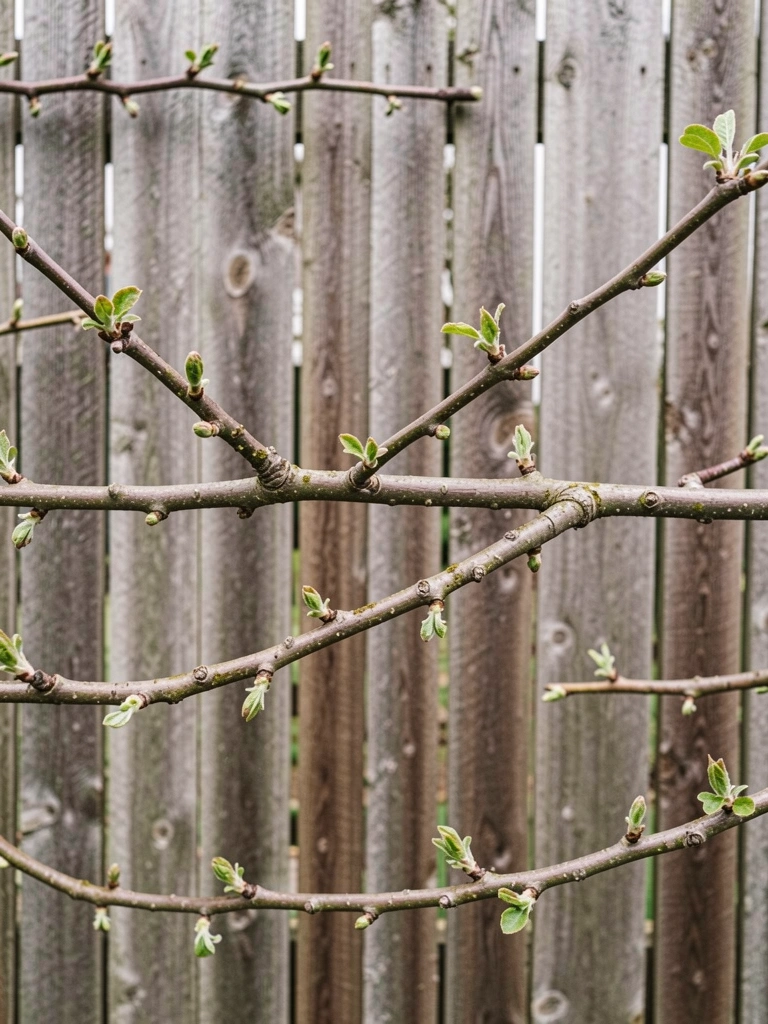
I trained apple trees flat against my fence to save space.
It turned a plain fence into a productive screen.
I cut too aggressively in year one and slowed fruiting. Be patient with pruning the first two seasons.
Seen up close, the fence becomes an orchard wall. The pruning lines look neat and intentional.
This takes time, but it’s calming, and I eat the rewards.
What You’ll Need for This Look
- Espalier-friendly fruit tree (apple, pear)
- Horizontal wires or thin rails
- Arborist shears and bud protectors
- Sturdy fence panel for support
6. Gabion Basket Fence with Planter Ledge
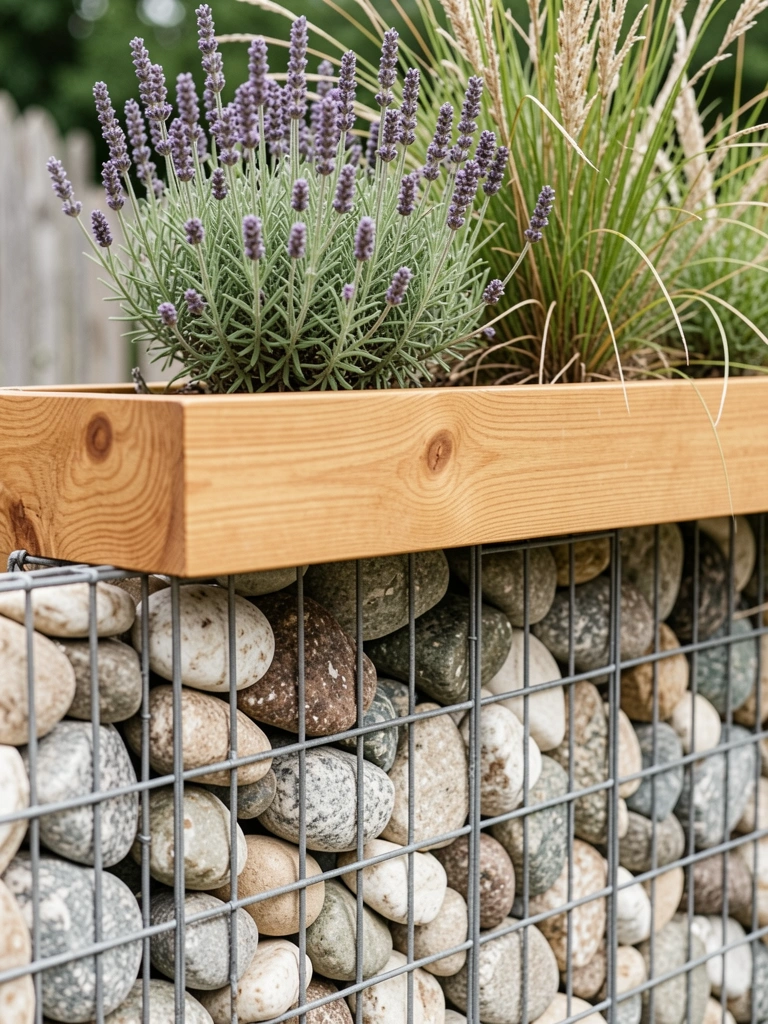
I built a short gabion wall for a slope and topped it with cedar ledges.
It feels solid and gives a place for herbs.
I underestimated the weight and had to add extra footing. Don’t skip a firm base.
The stone mass blocks sound and looks grounded. The cedar ledge softens the top and gives me a spot for lavender and rosemary.
It’s good for a modern, lived-in yard.
What You’ll Need for This Look
- Gabion baskets (filled with local fieldstone)
- Cedar planter ledge (2–4 inch deep)
- Landscape fabric and gravel for base
- Lavender or drought-tolerant herbs
7. Corrugated Metal Panels with Raised Planters

I used corrugated metal when I wanted a cleaner, modern edge.
It blocks views without the bulk of heavy wood.
I learned it can get hot. I mount planters in front to create a thermal buffer and shade the metal.
Planter boxes break the cold look and give me places to soften with grasses and succulents. It’s a low-maintenance combo that reads modern but lived-in.
What You’ll Need for This Look
- Corrugated metal panels (galvanized)
- Cedar raised planter boxes (12–18 inch)
- Galvanized screws and furring strips
- Ornamental grasses, succulents
8. Reclaimed Doors and Windows Fence
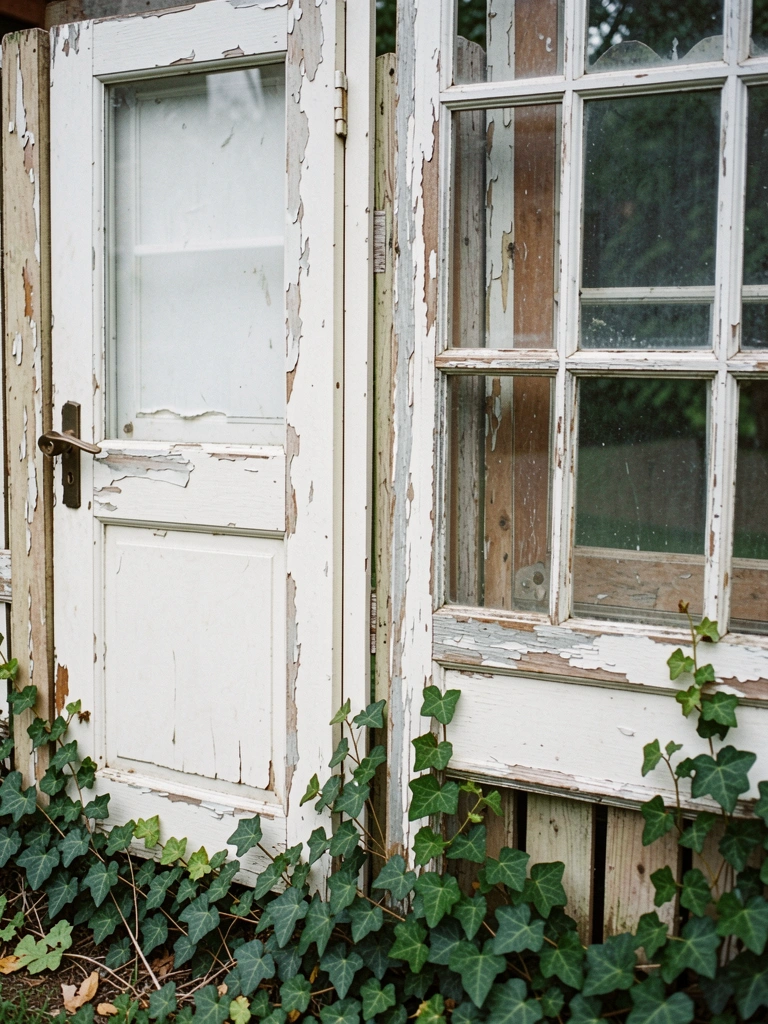
I scavenged doors and frames for a garden screen.
It’s mismatched and cozy in a way clean materials can’t be.
My mistake: I didn’t seal a couple of frames and they warped in rain. I now treat frames before installing.
This option is great for personality and thrift. Add ivy or clematis for softness. It’s more art than a strict privacy screen, but it works if you want character.
What You’ll Need for This Look
- Reclaimed doors and window frames
- Exterior wood sealant or primer
- Metal brackets and posts
- Clematis or climbing ivy
9. Living Hedge Border with Mixed Shrubs

I planted a mixed hedge to replace a chain-link fence.
It took years to close gaps, but now it’s a private, green wall.
I planted too many fast growers together and had uneven growth. Mix sizes and growth rates like I eventually did.
Year-round structure comes from evergreens. Add seasonal shrubs for flowers and berries. This feels calm and intentional in small yards.
What You’ll Need for This Look
- Mixed shrubs (boxwood, yew, viburnum)
- Compost-amended soil
- Shrub shears and mulch
- Slow-release shrub fertilizer
10. Modular Slatted Fence with Integrated Seating
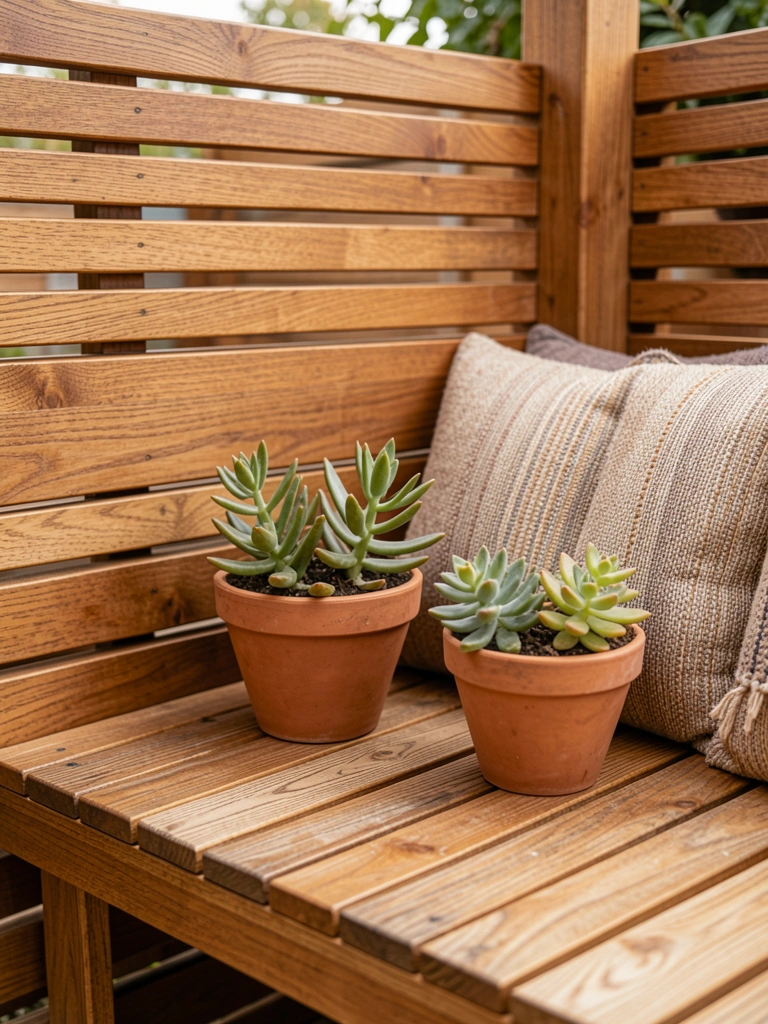
I built a slatted fence and turned a gap into a bench.
Suddenly the fence became a place to sit, not just a barrier.
My early bench sat too low and flung rainwater onto the seat. I added a slight slope for drainage after that.
The seating invites lingering and makes the fence part of the room. I keep potted succulents and a cushion for comfort. It’s practical and friendly.
What You’ll Need for This Look
- Horizontal slatted fence panels (cedar or thermally modified wood)
- Built-in bench kit or treated lumber (18–20 inch seat height)
- Exterior-grade cushions and pot saucers
- Small potted succulents
11. Vertical Herb Garden Mounted on Fence

I mounted small planters on my fence for quick kitchen herbs.
It saved space and meant I snipped basil steps from the grill.
I made the rookie error of planting thirsty herbs in shallow pots. They dried out fast. Use deeper pockets or a drip line.
This feels useful and domestic. The scent when crushed is bonus privacy for evenings. It’s a simple buy-and-hang solution.
What You’ll Need for This Look
- Vertical planter pockets or small terracotta pots (6–8 inch)
- Mounting brackets or heavy-duty hooks
- Herbs: basil, thyme, parsley
- Drip irrigation or watering can with long spout
12. Painted Geometric Slat Fence for Visual Interest
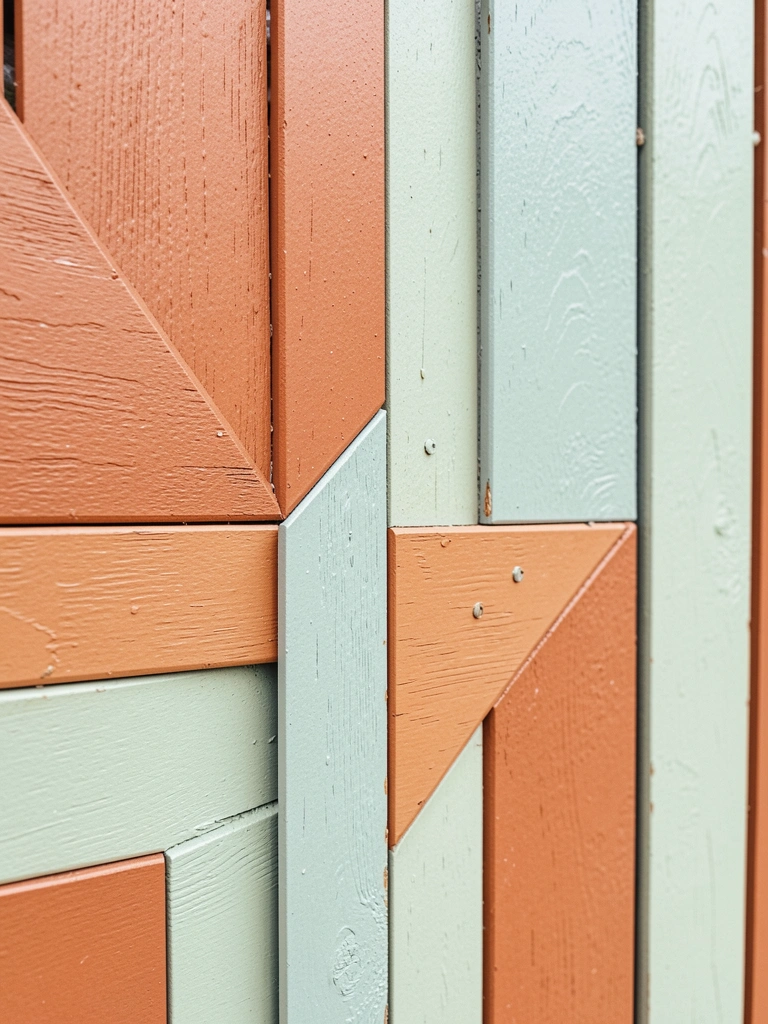
I painted a slatted fence with a simple geometric pattern.
It made a narrow yard feel intentional without adding height.
At first I chose a high-contrast color and regretted it; it shouted. I repainted to softer tones and it settled into the garden.
The pattern pulls the eye and distracts from neighboring views. It’s an inexpensive way to add personality without buying new structure.
What You’ll Need for This Look
- Slatted fence panel (cedar suggested)
- Exterior paint in 2–3 coordinating colors
- Painter’s tape and small brushes
- Sandpaper and primer
Final Thoughts
You don’t need to do them all.
Pick one that fits your budget and time.
Start small, learn from a few mistakes I made, and build from there. You’ll enjoy the fence more than you expect.