12 Mini Rock Garden Ideas Perfect for Tiny Yards and Patios
I finally stopped trying to make a tiny corner look like a park. Small rock gardens teach you more about texture than size.
I fixed my layouts by planting in layers and editing ruthlessly.
These ideas are things I actually did, with real mistakes and easy fixes.
12 Mini Rock Garden Ideas Perfect for Tiny Yards and Patios
These 12 ideas are small, doable, and photo-free from my real backyard experiments.
They work in narrow strips, balconies, and tiny patios.
I’ve kept each idea practical and short.
1. Alpine Trough with Sedums and Thyme
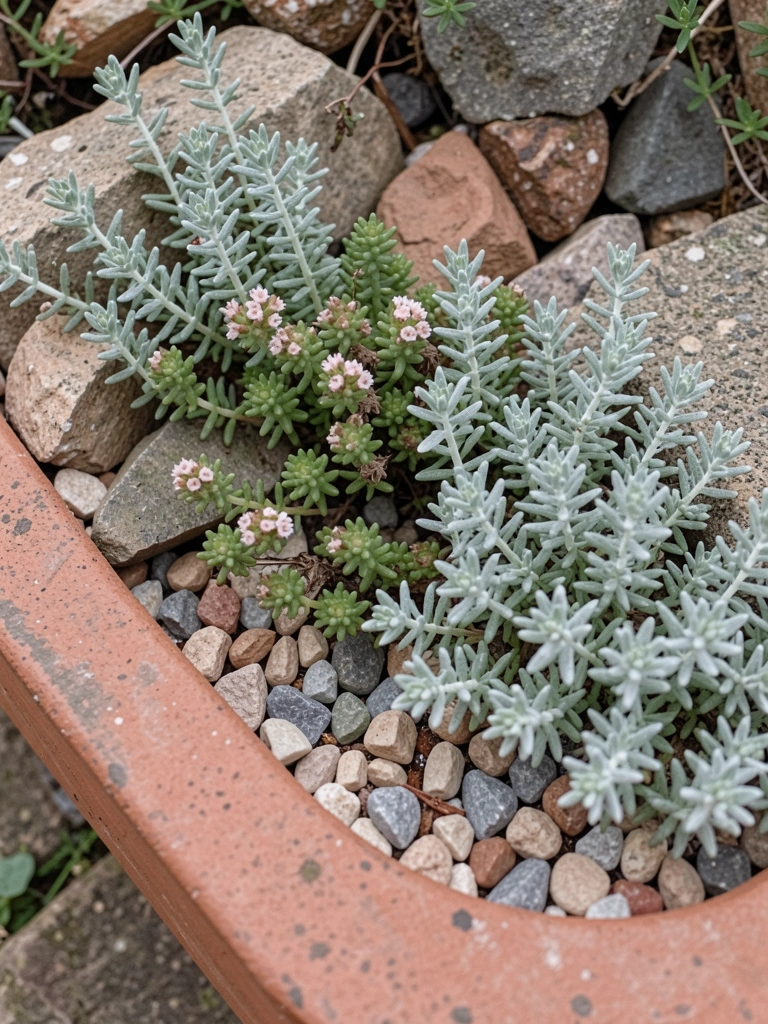
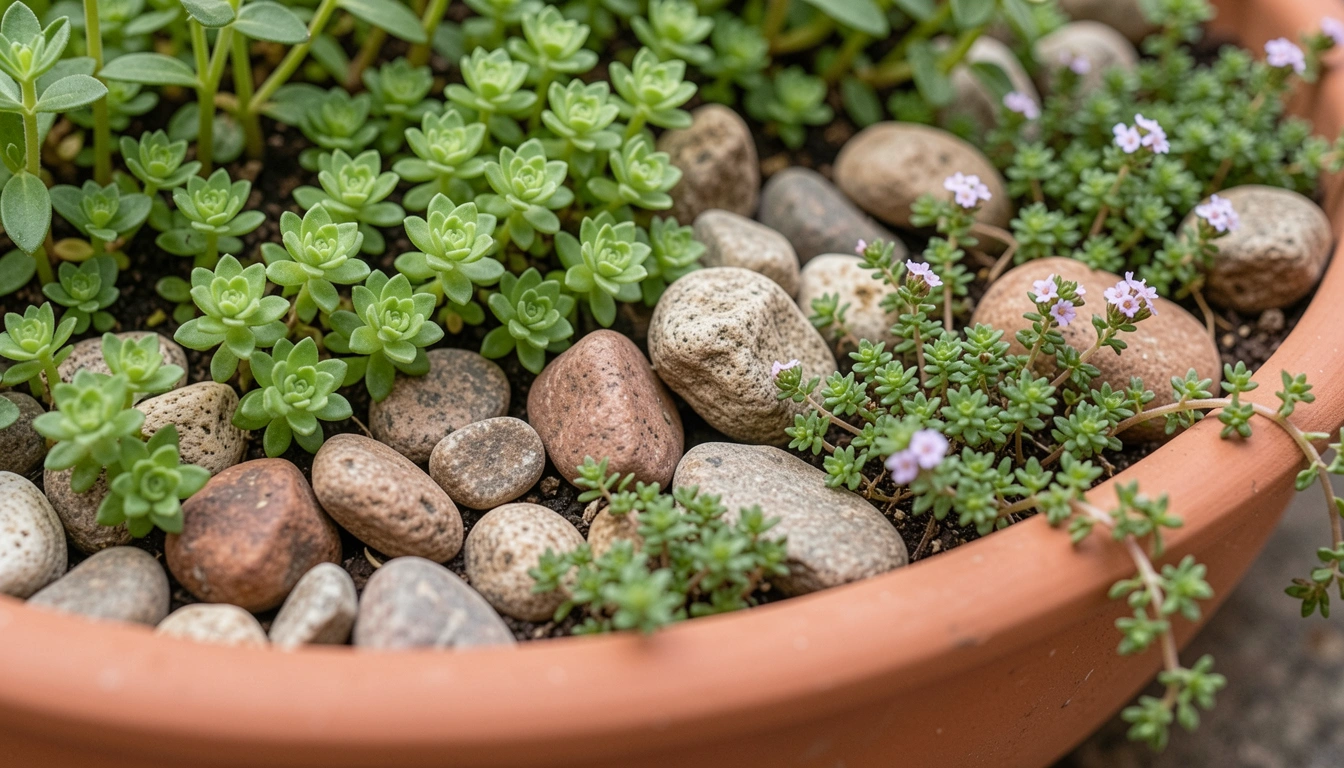
I built a trough from an old brick planter and filled it with free-draining mix.
I planted sedums, saxifraga, and lemon thyme. The sedums hold color through drought.
The thyme smelled better than I expected and softened the stones. I overwatered the first month and lost a seedling. Lesson learned: less water, more grit.
This keeps a patio looking finished without taking space.
What You’ll Need for This Look
- Shallow terracotta or concrete trough (20–30 inch)
- Gritty cactus/succulent mix
- Low-growing sedums, saxifraga, creeping thyme
- Decorative gravel, small river stones
2. Pocket Rock Wall for Vertical Interest
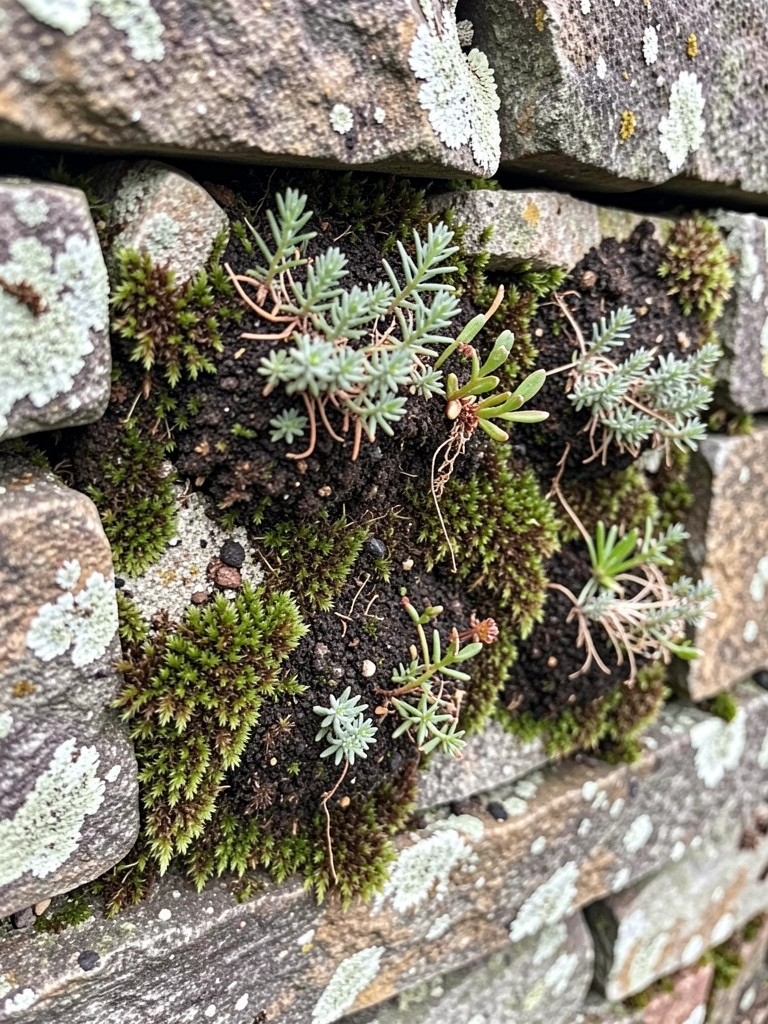
I turned leftover fieldstone into a short pocket wall against a fence.
I planted small alpines and thyme in the pockets. It made a blank vertical space feel alive.
My mistake: I used soil that packed too tight. Plants struggled until I loosened it and added grit. Now water drains and roots stay happy.
Vertical rock gardens are compact and visible from a chair.
What You’ll Need for This Look
- Fieldstone or reclaimed stone for wall pockets
- Gritty soil mix (sand, compost, grit)
- Alpine plugs, small thyme varieties, moss
- Rubber mallet and landscape fabric
3. Mini Zen Rock Garden with Raked Gravel

I made a tabletop zen garden on my deck table. A single boulder, raked gravel, and a moss patch changed how the space felt.
It’s one of those features that slows you down while sipping tea.
The gravel needs cleaning yearly—cat litter and leaf bits show fast. I learned to cover it in heavy rain.
This is low work and gives a quiet focal point for small spaces.
What You’ll Need for This Look
- Shallow wooden or ceramic tray (12–18 inch)
- White gravel or decomposed granite
- Small boulder or weathered stone
- Patch of sheet moss and a small bamboo rake
4. Succulent and Stone Tray for Tabletop

I started with a thrift-store tray and a handful of cuttings. It filled my coffee table and survived summer heat.
Succulents love the reflective pebble patches between plants. I learned the hard way that some cuttings rotted when I used dense potting soil. I switched to a fast-draining mix and they bounced back.
This is great for renters and balconies because it’s moveable and forgiving.
What You’ll Need for This Look
- Shallow metal or ceramic tray (10–16 inch)
- Cactus/succulent potting mix
- Small succulents: echeveria, sedum, crassula
- Decorative pebbles and coarse sand
5. Pebble Mosaic Path with Mini Plant Pockets
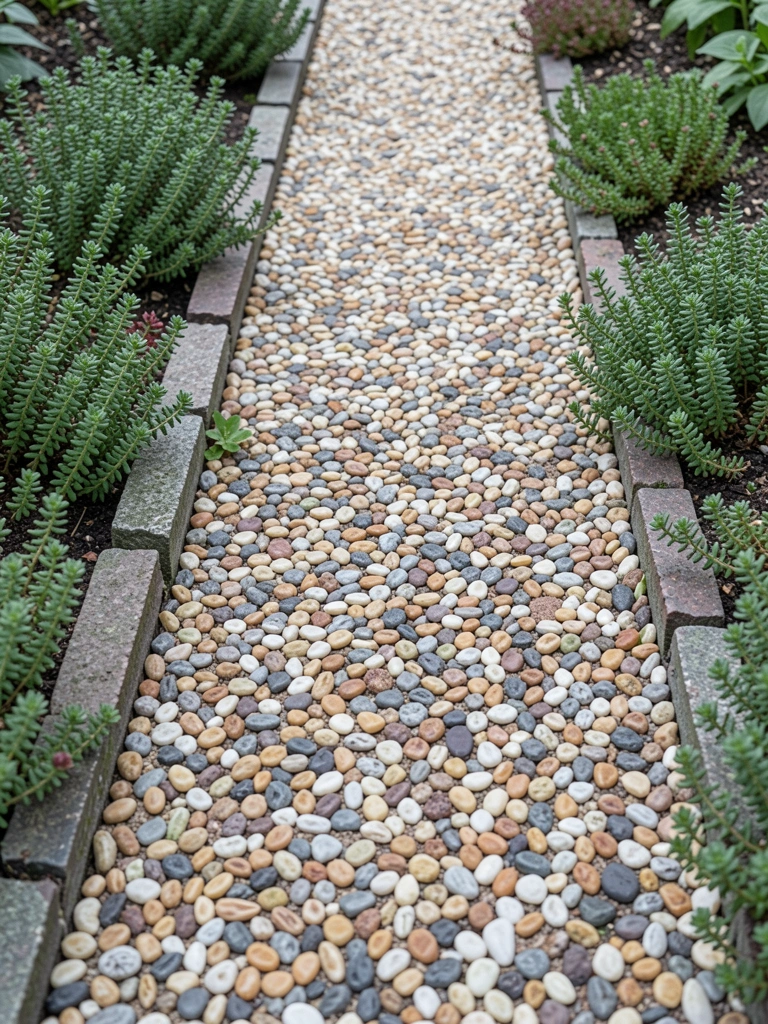
I replaced a narrow strip with a pebble mosaic and tucked tiny plant pockets along the edge.
It made my path feel intentional and soft underfoot. The little plants frame the stones and hide imperfections.
I pulled too many weeds the first season and nearly uprooted fragile plugs. Now I weed gently and mulch with crushed gravel.
This adds movement and focus without needing much space.
What You’ll Need for This Look
- Pea gravel or small decorative pebbles
- Edge stones or steel edging
- Creeping thyme, sedum, dianthus
- Garden trowel and landscape fabric
6. Raised Rock Bed with Dwarf Native Shrubs

I built a 2-foot-wide raised bed with stacked stone and planted dwarf native shrubs and scree plants.
The bed warms faster in spring and the shrubs give year-round shape. I noticed birds started visiting more.
Don’t overcrowd it—my first layout had too many plants and growth looked messy. I removed half and the remaining shrubs settled in.
It gives a tidy, planted look without needing a large footprint.
What You’ll Need for This Look
- Stacked stone or low rock wall materials
- Raised bed soil mix with grit
- Dwarf native shrubs, alpine phlox, small hebe
- Coarse gravel for top-dress
7. Mini Water Feature with Mossy Rocks

I sunk a ceramic basin and added a tiny pump looped over a mossy stone. The sound changed evenings instantly.
Moss grew in the damp pockets and made the stones read older. I made one mistake: I bought a pump that was too strong and splashed everything. I swapped to a low-flow model and it calmed the feature.
This is small but vivid—great near seating where you want a low hum.
What You’ll Need for This Look
- Ceramic or stone basin (12–18 inch)
- Small submersible pump, low-flow
- Moss, small water-friendly plants
- River stones and a short spout
8. Rock and Fern Shade Corner
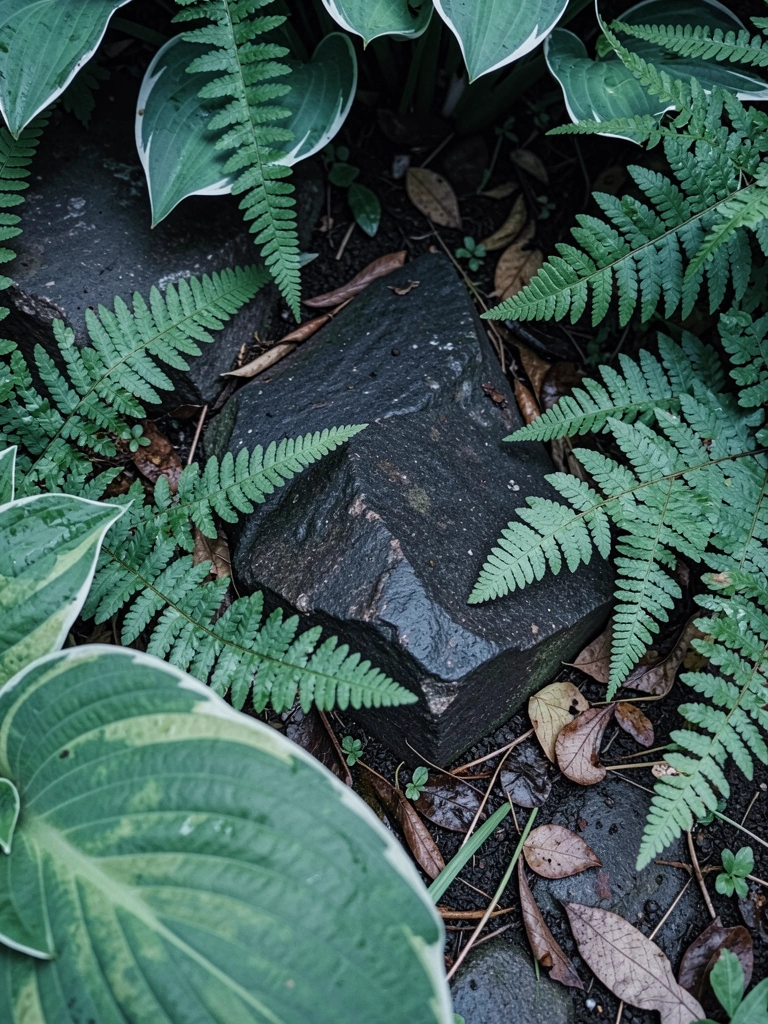
I turned a dark corner into a cool rock and fern niche. Stones keep soil cool and ferns love the pockets between rocks.
It changed a neglected shade into a green pause. The hostas started bigger than I expected and needed dividing. That taught me to size plants for the space.
This fills shady nooks without flashy flowers and stays calm all season.
What You’ll Need for This Look
- Shade-tolerant ferns and small hostas
- Medium-sized landscaping rocks
- Moisture-retentive soil with leaf compost
- Mulch and a hand trowel
9. Edible Herb Rock Garden in a Whiskey Barrel
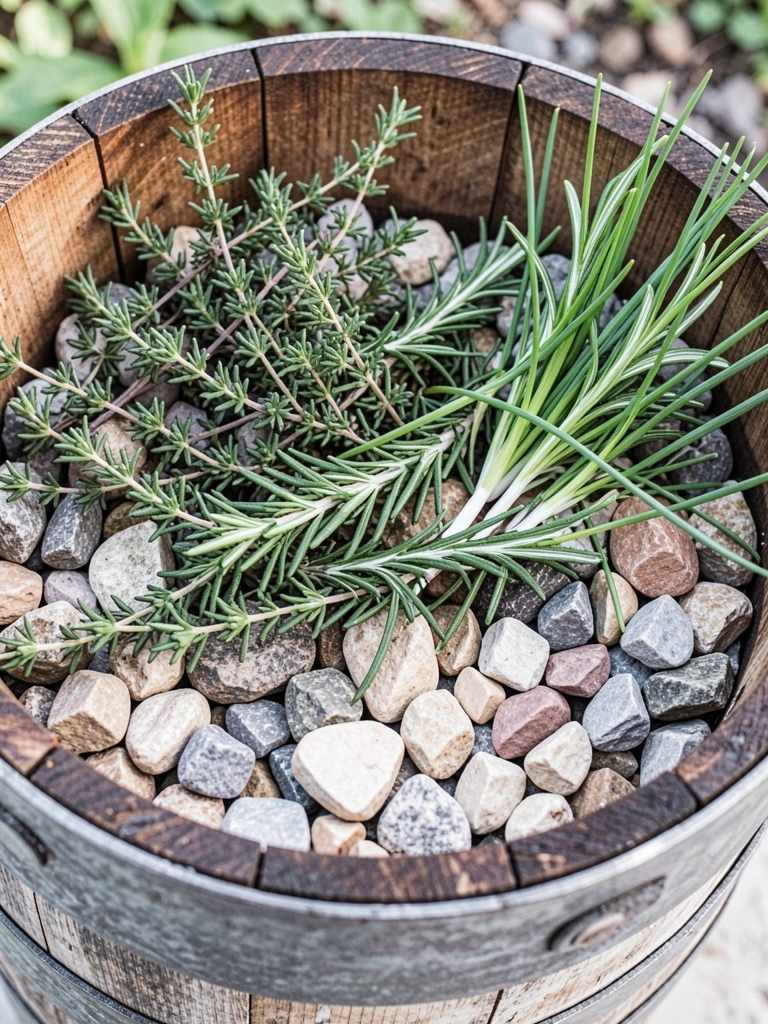
I repurposed a whiskey barrel half as a rock garden for herbs. The elevated height made harvesting easy.
Thyme and rosemary curled around stones and chives peeked up between rocks. The barrel dried faster so I watered carefully. I misjudged drainage once and drowned basil. Now I slot in extra gravel at the base.
This blends utility and texture on a sunny balcony or tiny yard.
What You’ll Need for This Look
- Half whiskey barrel or large wooden planter (24–30 inch)
- Gritty potting mix
- Rosemary, thyme, chives, bay (small forms)
- Coarse gravel for drainage and top-dress
10. Stone Steps with Succulent Riser Pockets
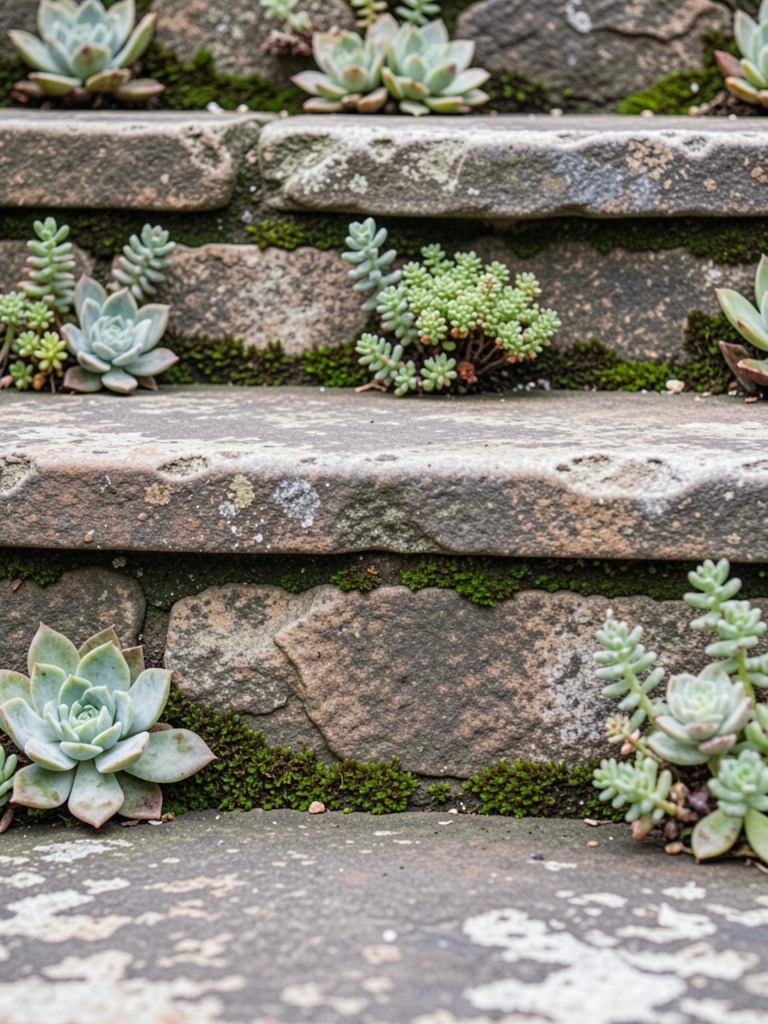
I turned an old concrete step into a series of succulent pockets. Each riser got a carved pocket and a few succulents.
It softened the hard line and made the step an accidental feature. I made a clear error cutting too deeply at first and had to patch concrete. A small hand grinder fixed the look.
Now the steps look deliberate and low-maintenance, just water once in summer.
What You’ll Need for This Look
- Narrow stone or concrete steps
- Small succulents: sedum, sempervivum, echeveria cuttings
- Fast-draining mix and small trowel
- Mortar or patching compound if carving pockets
11. Solar-lit Mini Rock Garden for Night Interest

I added small solar puck lights and a couple of warm solar stakes around a tiny rock bed. Nights suddenly had depth.
The light catches the stones and makes the textures readable from the house. I learned to place lights low and shielded so they don’t glare. Cheap lights last a season; I buy mid-range solar with replaceable batteries now.
This is an easy upgrade if your day garden already looks good.
What You’ll Need for This Look
- Warm white solar stake lights (low profile)
- Small reflective pebbles and dark stones
- Low plants: thyme, dwarf sedum
- Rechargeable solar battery pack (optional)
12. Reclaimed Stone Planter with Scree Mix
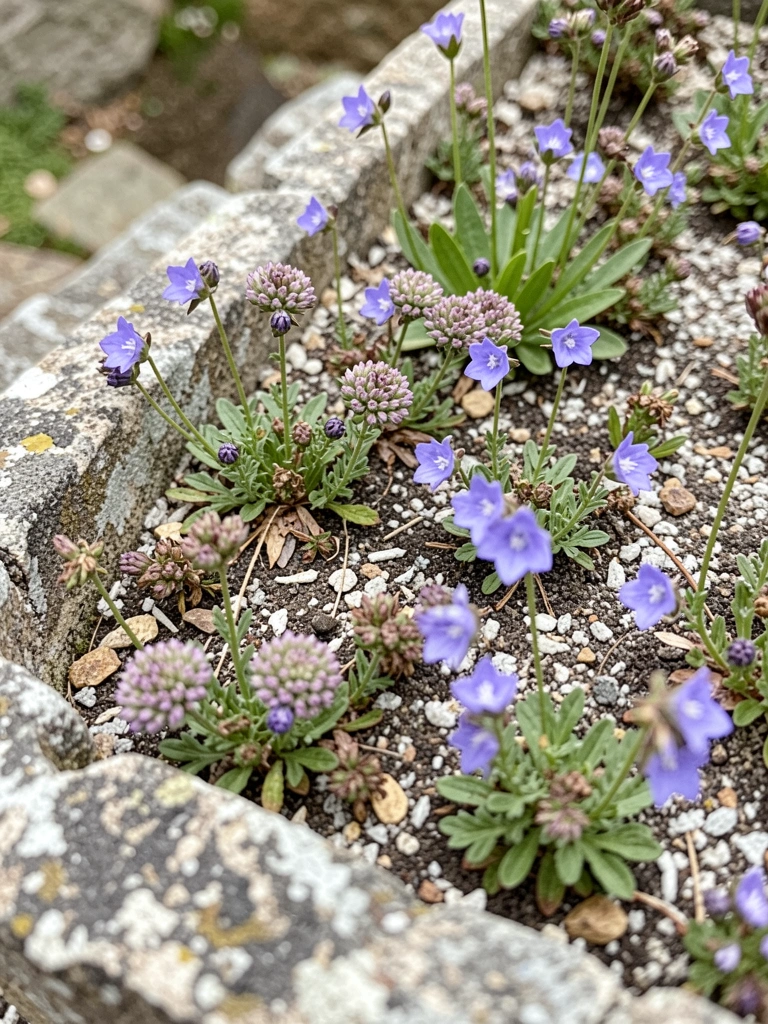
I found an old stone trough and made a scree-style planting with armeria and tiny campanulas. The trough drains well and ages beautifully.
Plants hug the stone and flush with tiny blooms in spring. My oversight was underestimating sun exposure—the south-facing trough needed afternoon shade in summer. I moved it to a spot with filtered light and things settled.
This gives a compact, antique look that lasts.
What You’ll Need for This Look
- Reclaimed stone trough or concrete planter (18–36 inch)
- Scree mix (coarse sand, grit, compost)
- Armeria, small campanula, alpine plugs
- Coarse gravel top-dress
Final Thoughts
You don’t need a big yard to do interesting plant work.
Pick one idea, try it in a day, and let it settle.
Small rock gardens reward edits and patience. You’ll learn as you go and it will feel like yours.