11 Rock Garden Ideas That Instantly Transform Any Outdoor Space
I planted my first rock garden by accident—a pile of leftover stones and a stubborn slope. It became the part of the yard I actually used.
I learned fast what survived sun, what didn’t, and which placements made me smile each morning.
These are simple ideas I use and tweak in real working gardens. No fuss, just honest adjustments.
11 Rock Garden Ideas That Instantly Transform Any Outdoor Space
These 11 ideas are hands-on and doable.
I’ve tried them, failed at a few, and kept what worked.
They include textured stones, low plants, and small practical buys.
1. Sloped Alpine Patch with Step Stones
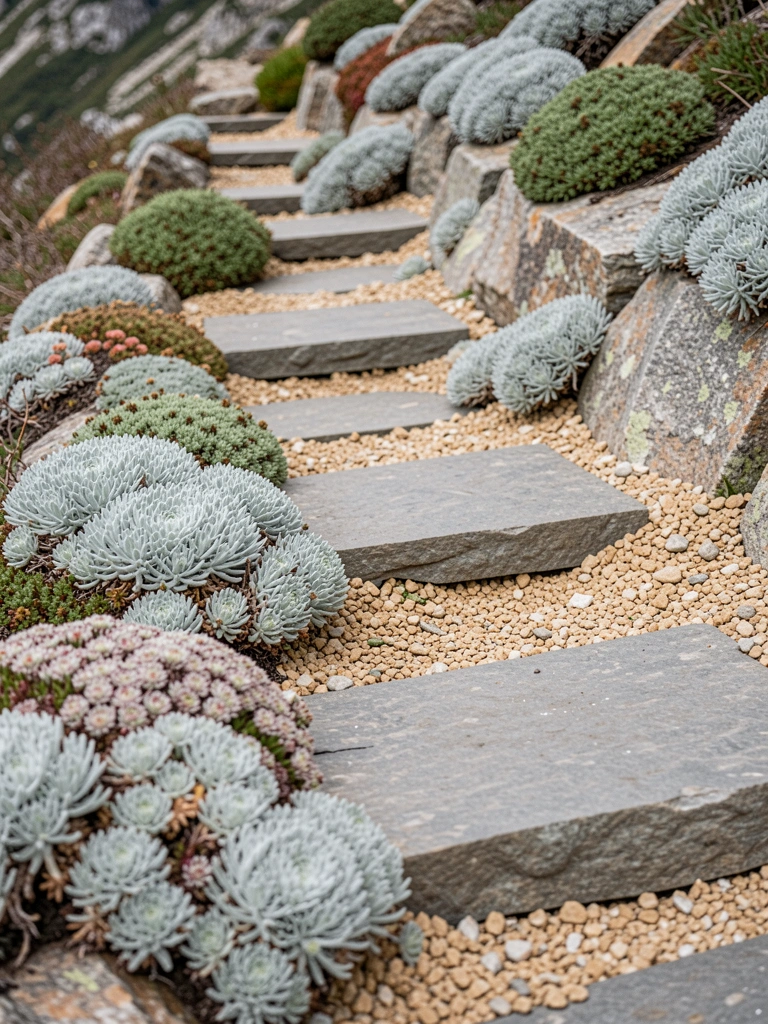
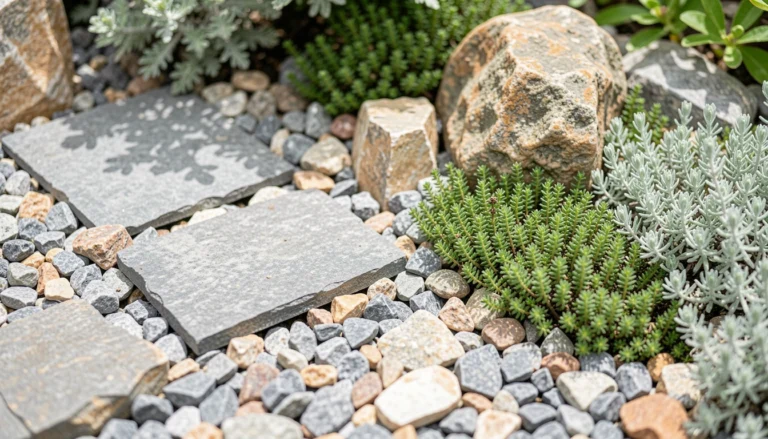
I dug into a sunny slope and layered stones to slow runoff. The slope now reads as intentional, not neglected. I planted small alpine cushions and thyme in crevices; they hug the rock and hide gaps.
At first I used too-fine soil and everything sank. After scraping back and adding gritty mix, plants settled and stayed put.
Pay attention to drainage and keep the stepping stones stable. It feels like a path and a garden at once.
What You’ll Need for This Look
- Flat stepping stones (12–18 inch, flagstone)
- Gritty alpine mix (fast-draining)
- Sedum and saxifrage plugs
- Garden trowel and hand tamper
2. Mini Meadow Between Boulders
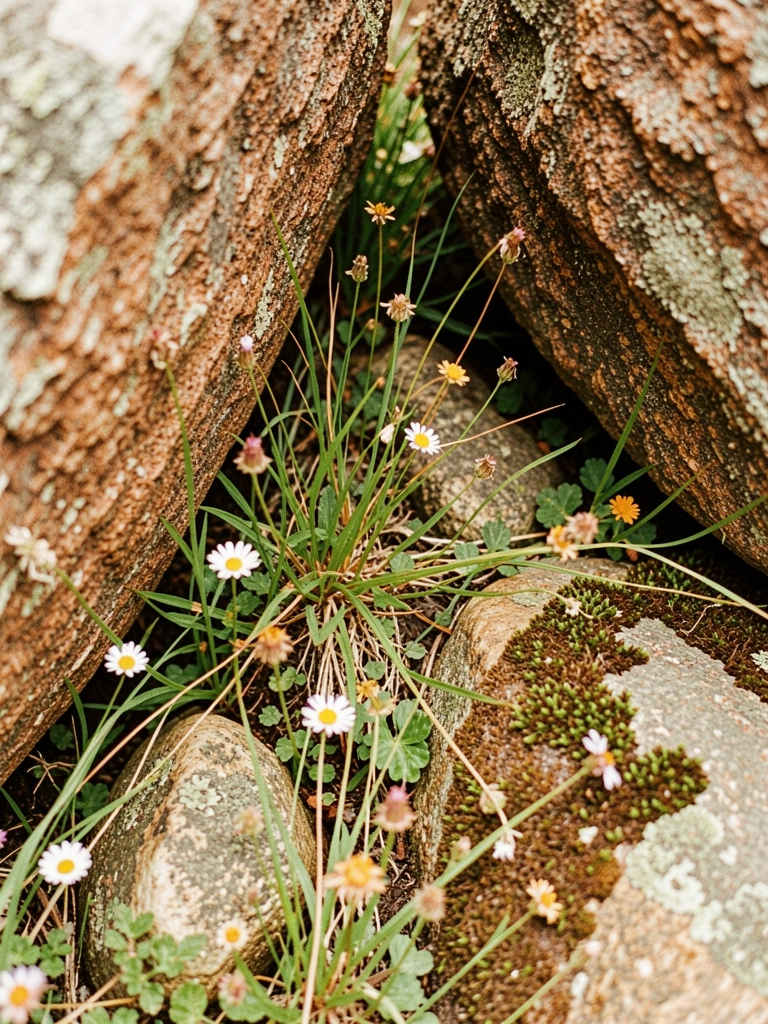
I shoved small wildflower plugs into the gaps between larger boulders. The contrast of rough stone and soft foliage felt cozy. It draws the eye to a corner that used to be dead space.
I once planted large perennials here and they looked clumsy. Tiny, sparse plants worked best; they echo the scale of the rocks.
Pick local wildflowers and low grasses. They need less fuss and reward with simple blooms and movement.
What You’ll Need for This Look
- Small to medium boulders (natural finish)
- Native wildflower plugs (compact varieties)
- Low clumping grasses (blue fescue)
- Hand cultivator
3. Terraced Rock Beds for a Tight Yard
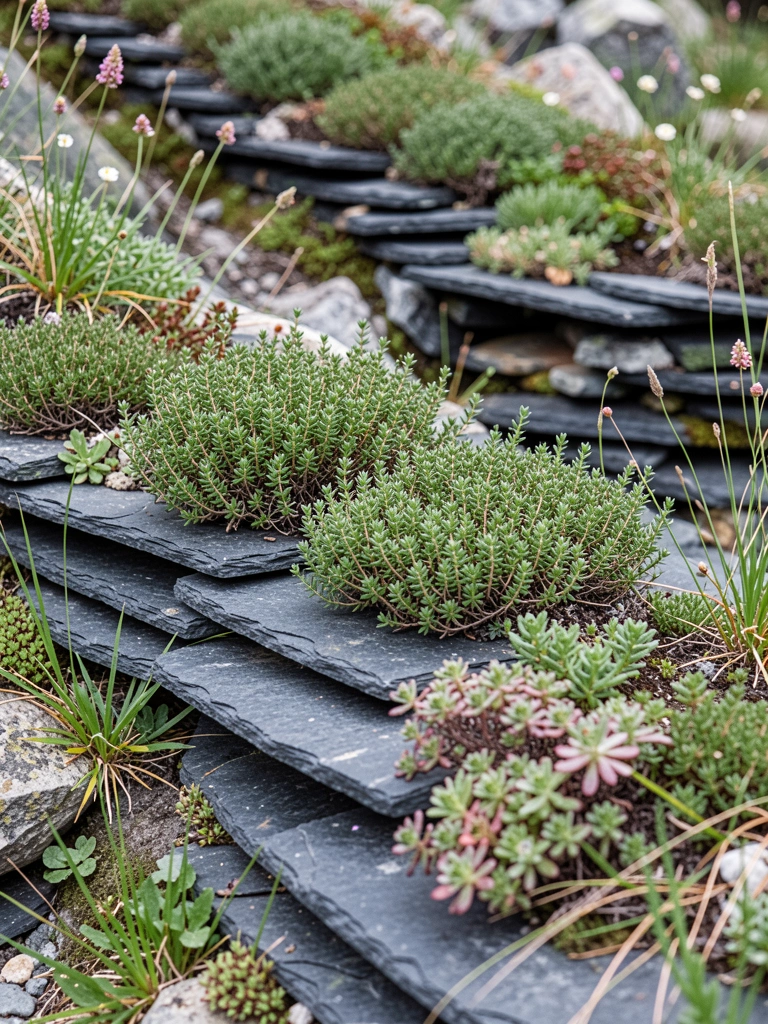
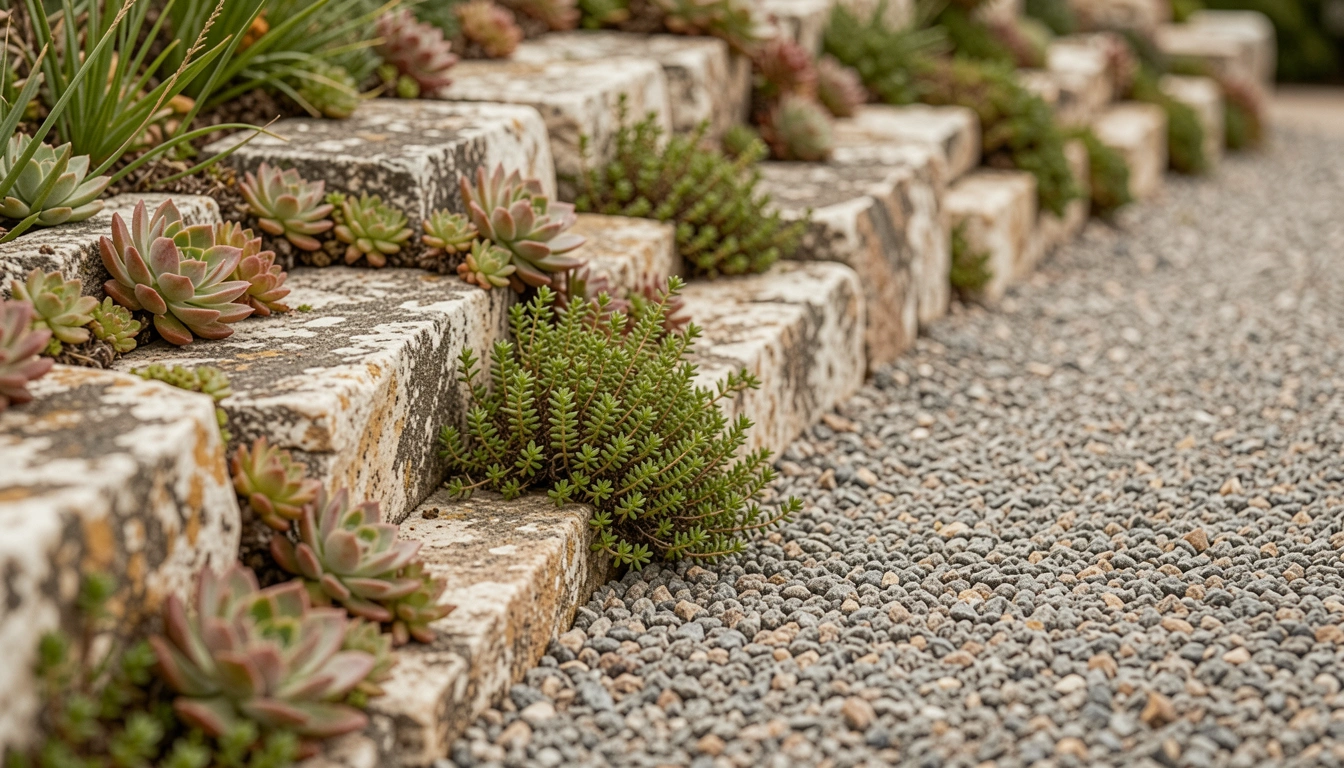
I built shallow terraces with flat slate when space was tight. Each tier gets different soil depth and plants suited to it. The result feels like a miniature mountainside.
It looked messy until I staggered stone lines and kept plant masses small. Now each tier reads clean and intentional.
Terracing controls erosion and lets you mix plants by water need. It also makes maintenance less awkward.
What You’ll Need for This Look
- Slate or thin flagstones (stackable)
- Coarse gravel for base
- Alpine mixes (different depths)
- Small garden rake
4. Dry Creek Bed That Guides the Eye
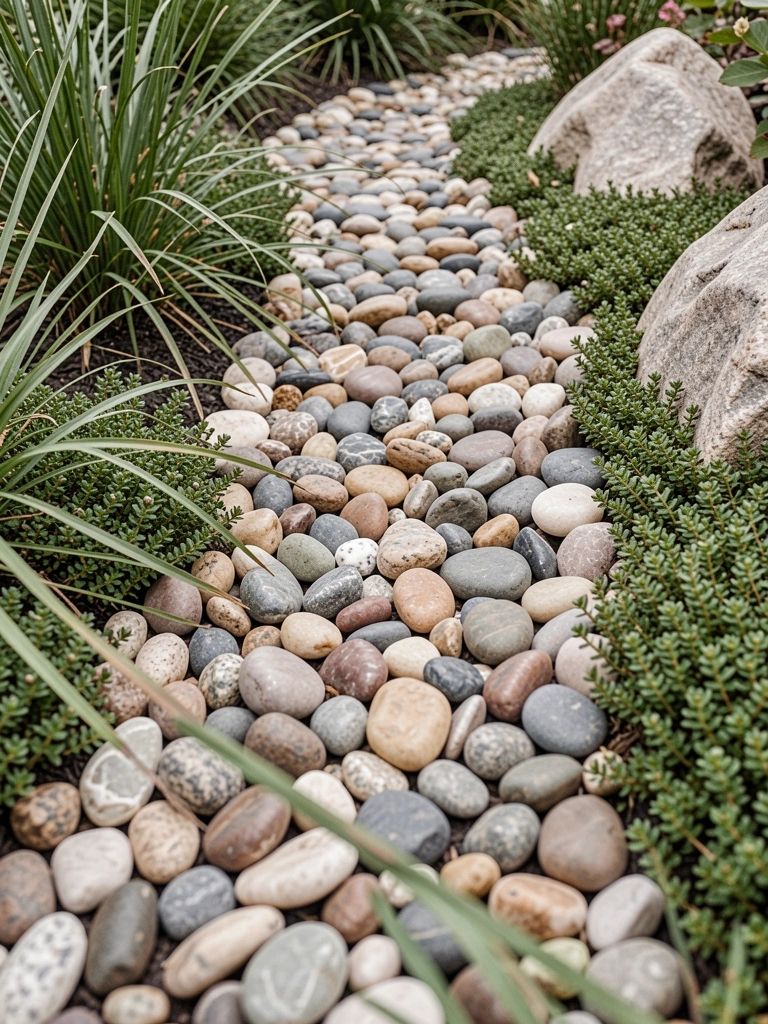
I carved a dry creek to move rainwater and it became a focal line through the garden. The different rock sizes feel natural and the plantings along the edges soften it.
I packed the wrong gravel once—too small—and it shifted after a storm. Replacing it with mixed river rock fixed the wash-out.
Match the rock sizes and add moisture-loving plants where water collects. It’s practical and visually satisfying.
What You’ll Need for This Look
- Mixed river rock (1–3 inch)
- Larger accent stones (6–12 inch)
- Creeping thyme, sedges
- Landscaping fabric (permeable)
5. Sunny Succulent Patch in a Raised Planter

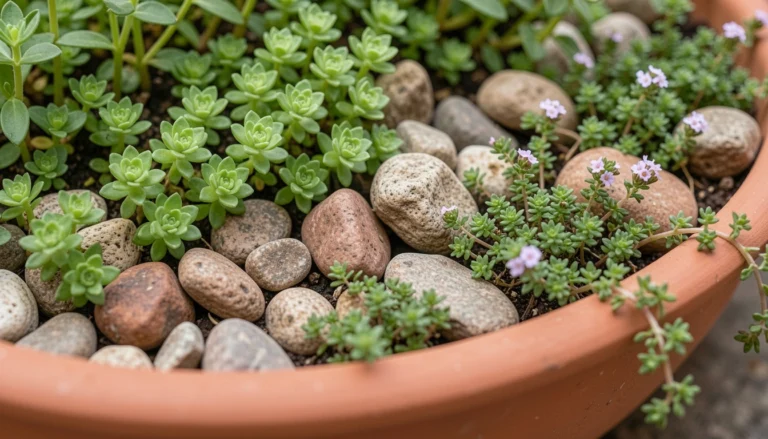
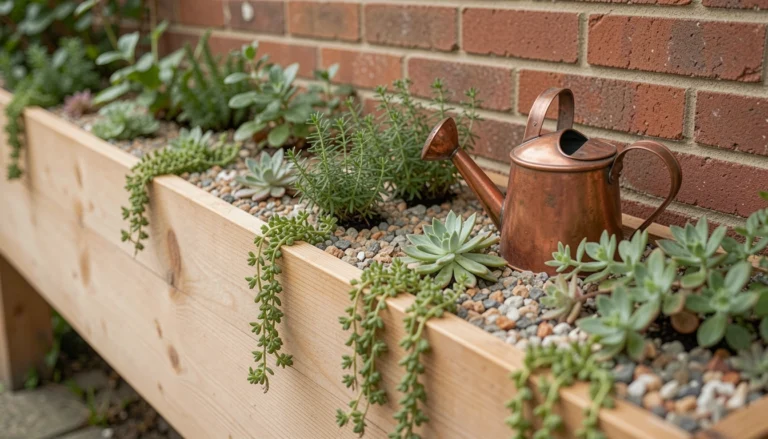
I repurposed an old cedar box into a raised rock planter for succulents. The height keeps curious pets out and gives a clear display. Succulents love the sun and the gritty soil.
I overwatered the first season and lost a few rosettes. Now I water sparingly and tip the planter a bit for extra drainage.
This is a great buy-and-plant option if you want instant impact without digging.
What You’ll Need for This Look
- Cedar raised planter box (24–36 inch)
- Succulent mix and gravel top dress
- Echeveria and trailing sedum
- Watering can with long spout
6. Rock-Lined Herb Spiral for Kitchen Access
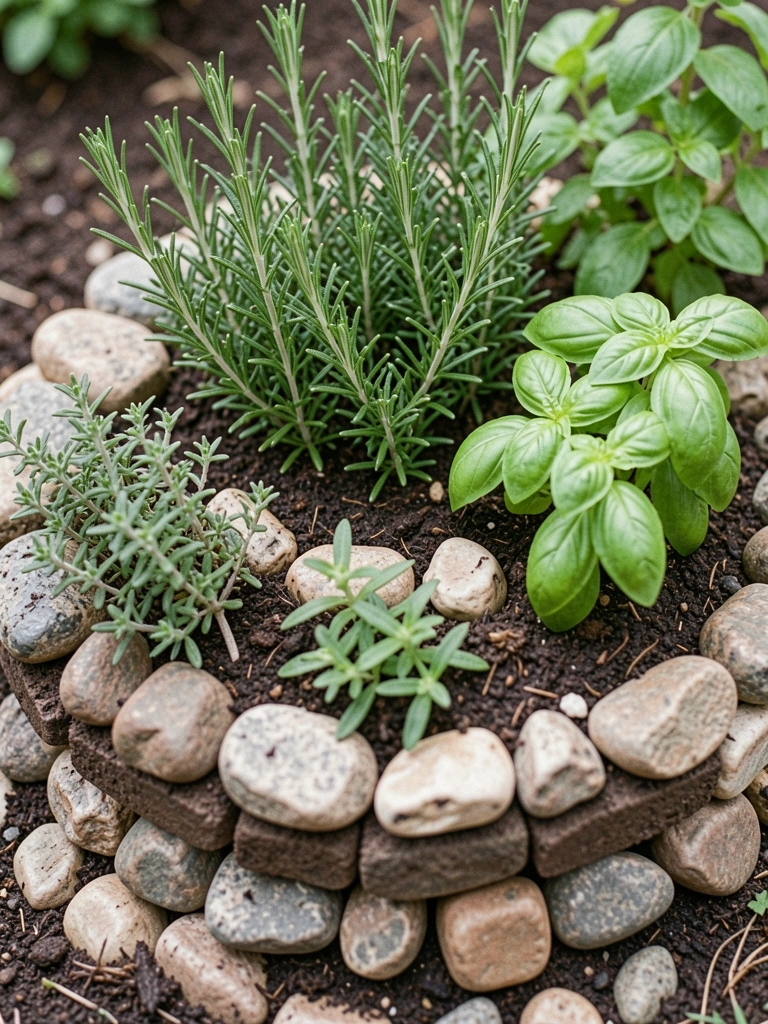
I built an herb spiral out of stacked stones near the kitchen door. The height lets me plant thirsty herbs low and drought-tolerant ones higher up. I use it daily for cooking.
It felt awkward at first; some plants shaded others. I reoriented the spiral and now each herb gets the light it needs.
An herb spiral makes harvesting easy and looks purposeful—hands-on and useful.
What You’ll Need for This Look
- Small to medium rocks for spiral
- Herb seedlings (rosemary, thyme, basil)
- Multi-layered soil (richer at the bottom)
- Hand saw or pruners for maintenance
7. Pocket Planting in Wall Crevices
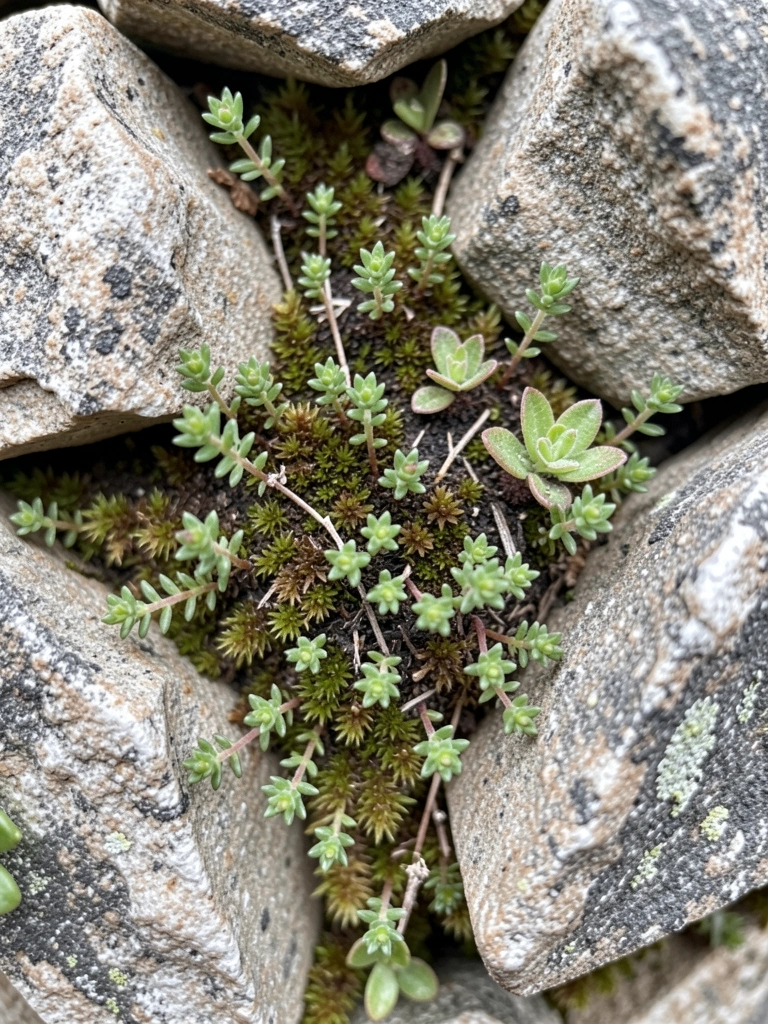
I rescued an old dry-stone wall and tucked tiny plants into the pockets. Those little green dots break up the gray and give a lived-in look.
At first I forced large plants into the pockets and they flopped. Small plugs and soil pucks worked much better and rooted faster.
Crevice planting is delicate but rewarding. Choose plants that hug the rock and won’t need much soil.
What You’ll Need for This Look
- Small alpine plugs (sempervivum, thyme)
- Pea gravel and small soil pucks
- Pointed trowel
- Gloves for handling rough stone
8. Low-Light Rock Nook with Ferns and Moss

I turned a shady corner into a cool rock nook with ferns and moss on damp stones. It feels like a pause point in the garden—quiet and soft underfoot.
I learned moss needs steady moisture; it won’t thrive in a dry shaded patch. I added a drip line and the green deepened over months.
This approach gives you a gentle, shaded contrast to sunlit rock beds.
What You’ll Need for This Look
- Ferns (athryrium, dryopteris)
- Sheet moss or moss plugs
- Flat stepping stones
- Drip irrigation line (low flow)
9. Gravel Courtyard with Potted Rock Features

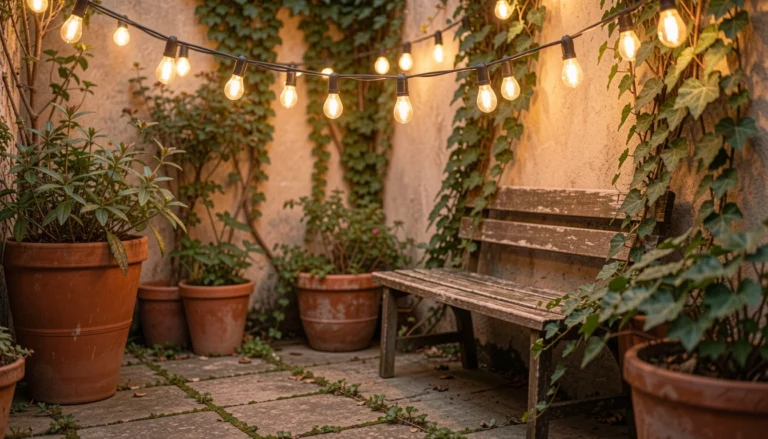
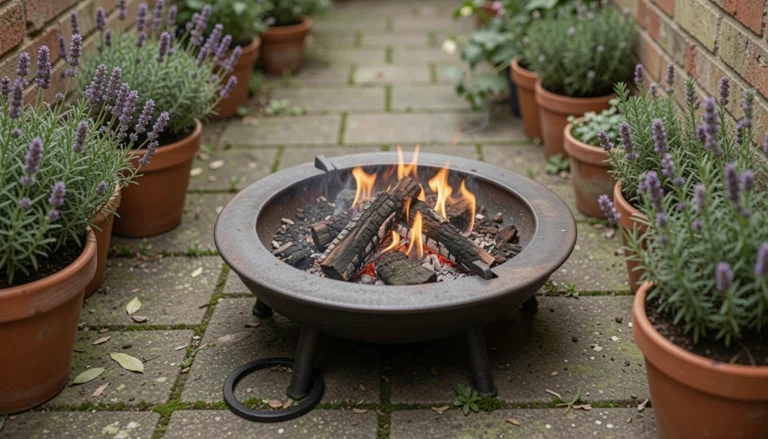
I cleared a tiny courtyard and covered it with coarse gravel. Large pots with small rock accents stand in for garden beds. It reads neat and low-effort.
I used one pot style at first and it felt boring. Mixing terracotta, glazed, and weathered metal added warmth and personality.
This is ideal for renters or tight spaces where you want easy maintenance and flexible layout.
What You’ll Need for This Look
- Coarse gravel (3/8–3/4 inch)
- Terracotta and metal planters (various sizes)
- Succulents and small shrubs
- Outdoor bench or seat
10. Accent Lighting Through Pebble Paths
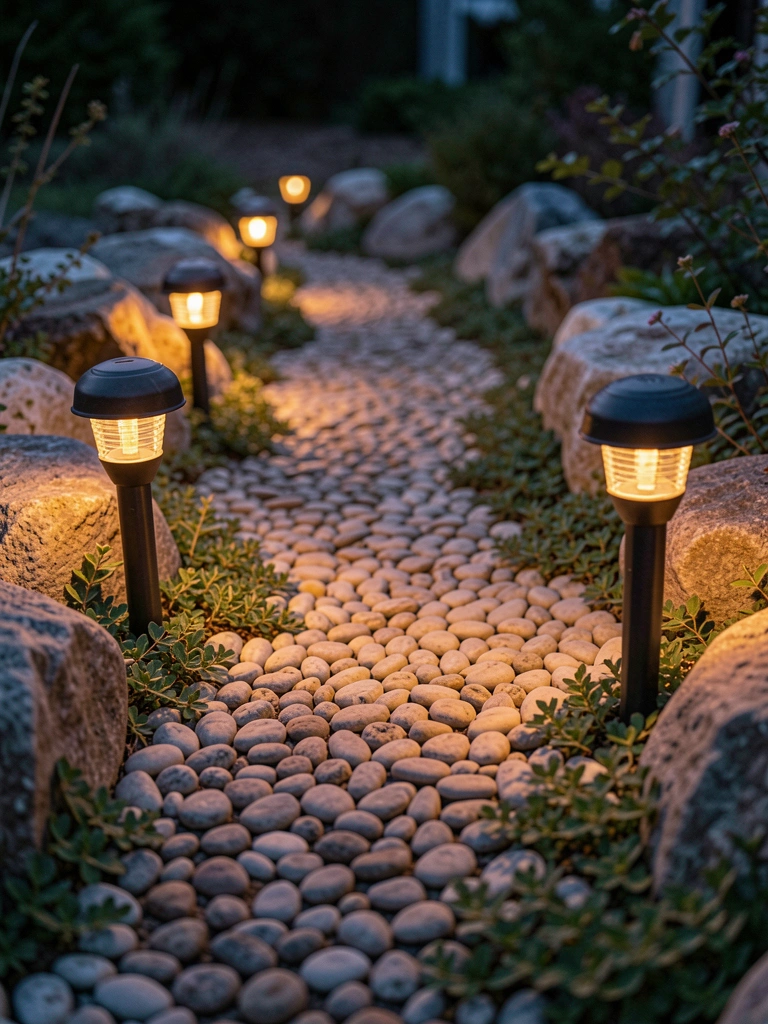
I added low solar lights along a narrow pebble path and the garden came alive at dusk. Light through the pebbles and plants feels cozy and usable after dark.
I once bought cheap stake lights that tilted and stopped working. Replacing them with sturdier, branded solar units fixed the problem.
Lighting extends garden hours and highlights textures. Choose warm white and ground-level fixtures for subtlety.
What You’ll Need for This Look
- Solar pathway lights (warm white, low profile)
- Pebble pathway material (small river stone)
- Low groundcover (creeping thyme)
- Rechargeable batteries (as needed)
11. Rock Sculpture Focal Point Surrounded by Low Planting
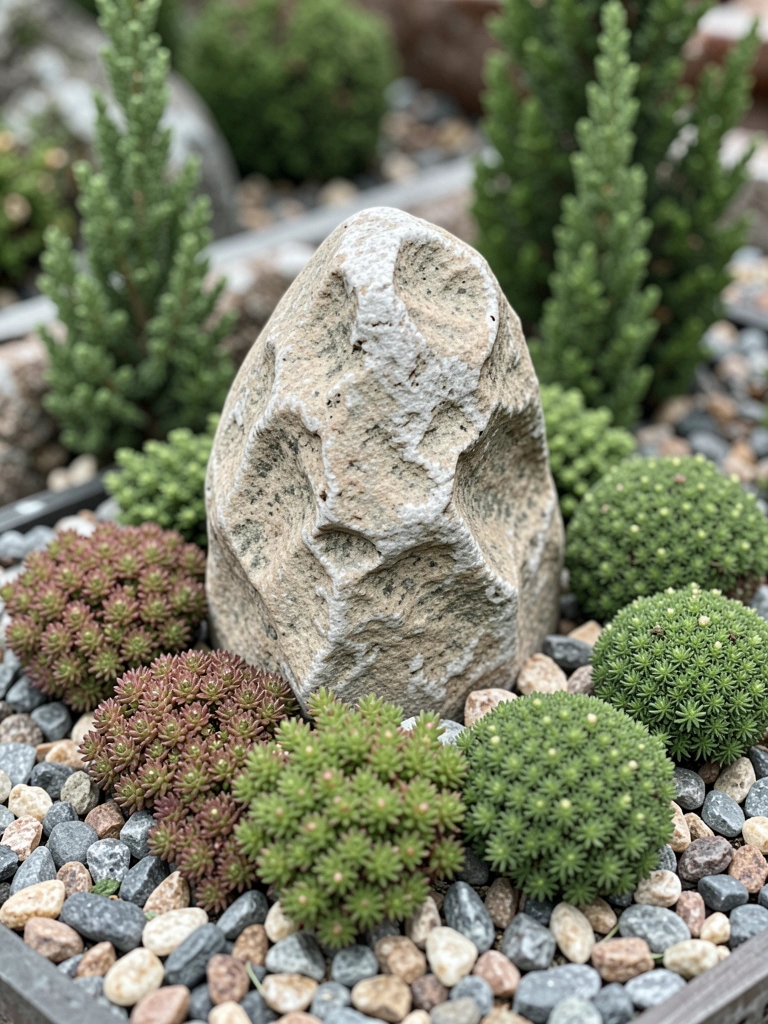
I hauled in a single sculptural boulder and placed it where two sightlines meet. Surrounding it with low sedum and tiny conifers created weight without crowding the view.
I once overplanted around a boulder and hid its shape. Pulling plants back let the stone breathe and restored the intended focal point.
A single well-placed stone does more than many small ones. It anchors the space and simplifies maintenance.
What You’ll Need for This Look
- Accent boulder (1–3 foot, natural shape)
- Low sedum and dwarf conifers
- Coarse gravel for mulch
- Small skid or dolly for placement
Final Thoughts
You don’t need to do every idea.
Pick one that fits your yard and your comfort level.
Rock gardens reward patience and simple adjustments. Start small, learn, and keep the bits that make you smile.