19 Stunning Rooftop Terrace Garden Ideas To Inspire You
I used to think a rooftop was just a place to dry laundry. Then I planted one pot and a habit began.
I learned by trial and error — wrong soil depths, pots that tipped in wind, herbs that sulked in sun. I’ll tell you what worked for me, simply.
These ideas are practical. They’re things I’ve built, failed at, and fixed. You’ll get exactly 19 rooftop terrace garden ideas that I’ve lived with.
19 Stunning Rooftop Terrace Garden Ideas To Inspire You
These 19 ideas are hands-on and doable. I include what I learned and what I’d buy next.
You’ll see layouts for sun, shade, small terraces, and windy roofs. Each entry has a clear shopping list and honest notes from my own mistakes.
1. Layered Container Planting That Makes a Terrace Feel Full
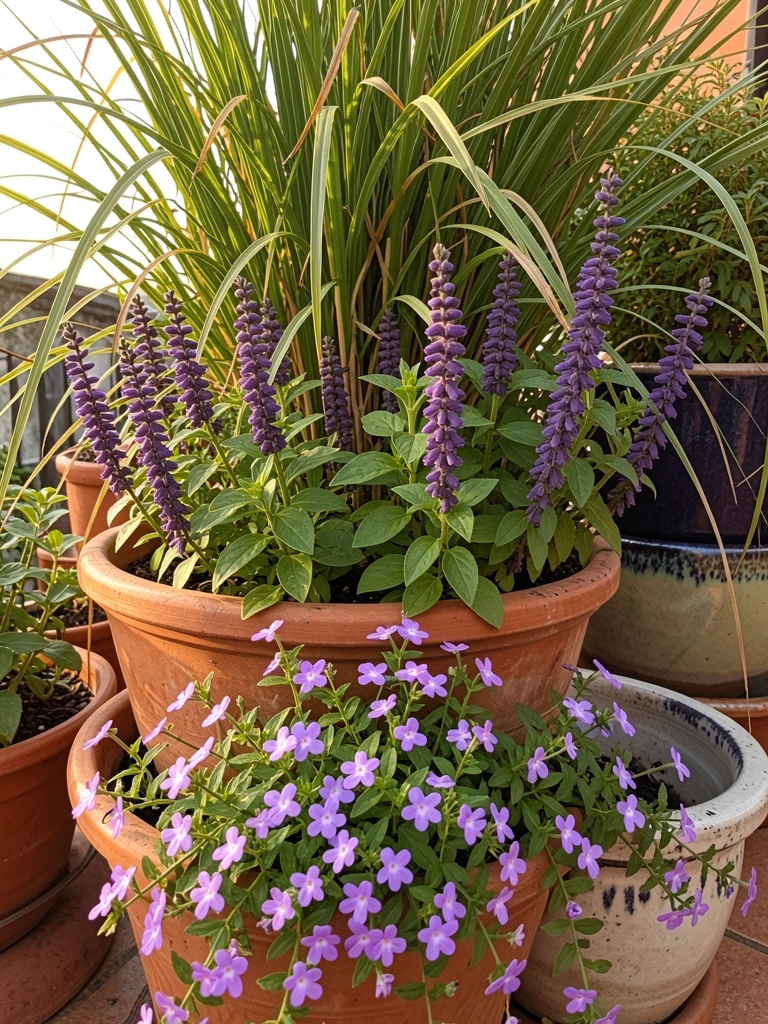
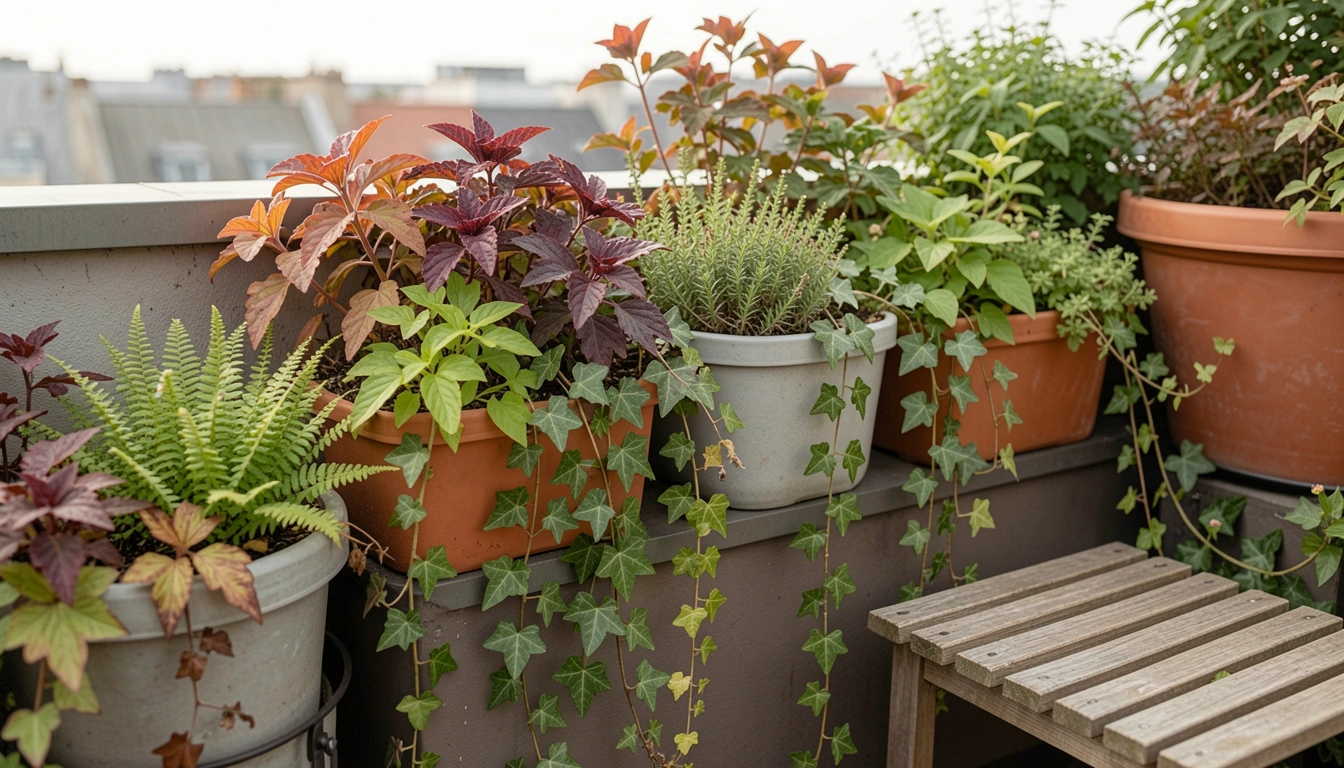
I started this after buying three mismatched pots and cramming one plant in each. It looked sparse. Layering fixed that.
I plant a tall structural element, a mid-layer for color, and a trail to soften edges. It reads fuller from across the rooftop. It also hides ugly drain covers.
Watch soil depth — I once used shallow pots and the roots bound after a season. Deeper pots lasted and needed less watering.
What You’ll Need for This Look
- Deep terracotta planters (12–18 inch)
- Ornamental grasses (e.g., Pennisetum)
- Mid-height flowering perennials (salvia, geranium)
- Trailing annuals (lobelia, bacopa)
2. Small Patch of Artificial Turf for a Playful Lawn Feel
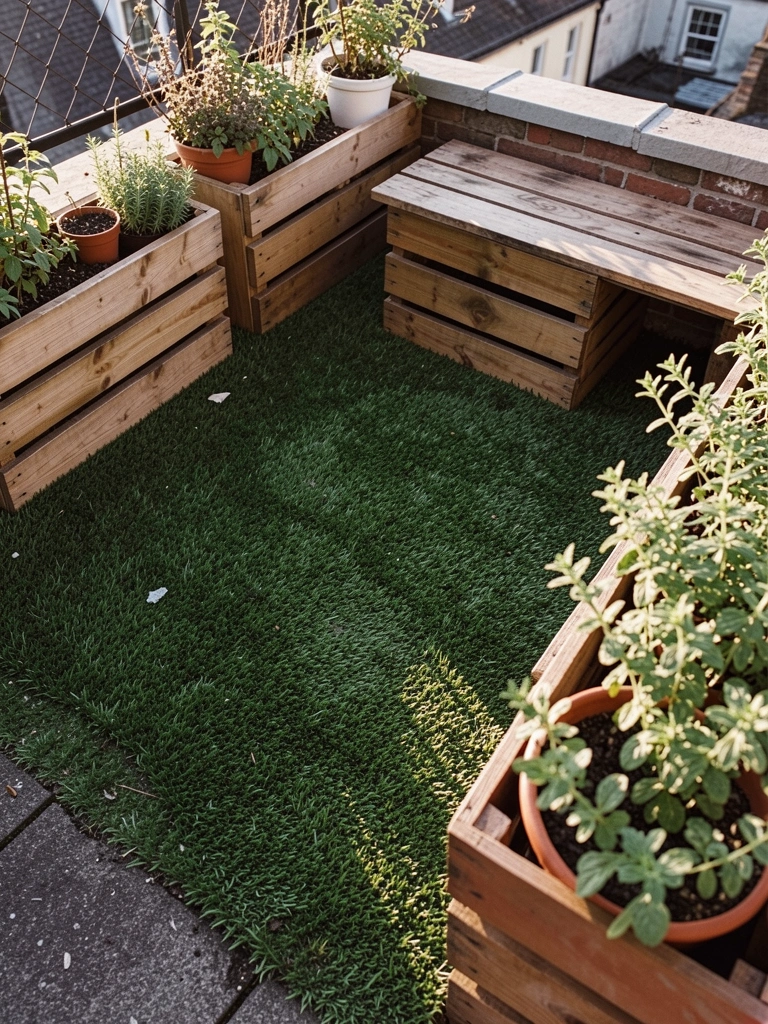
I resisted fake turf for years until my dog ruined every cushion. A small artificial patch saved the space.
It creates a lawn-like surface without messy soil or muddy footprints. I pair it with planters to soften the edges. It’s great for kids and pets.
Be realistic about drainage — I initially used adhesive over a concrete slab and didn’t slope it. Water pooled. Fix: add a slight incline and use an underlay.
What You’ll Need for This Look
- Outdoor artificial turf carpet (cut-to-size)
- Shock-absorbent underlay
- Weatherproof outdoor bench
- Low planter boxes (cedar)
3. Vertical Living Wall to Maximize Planting Space
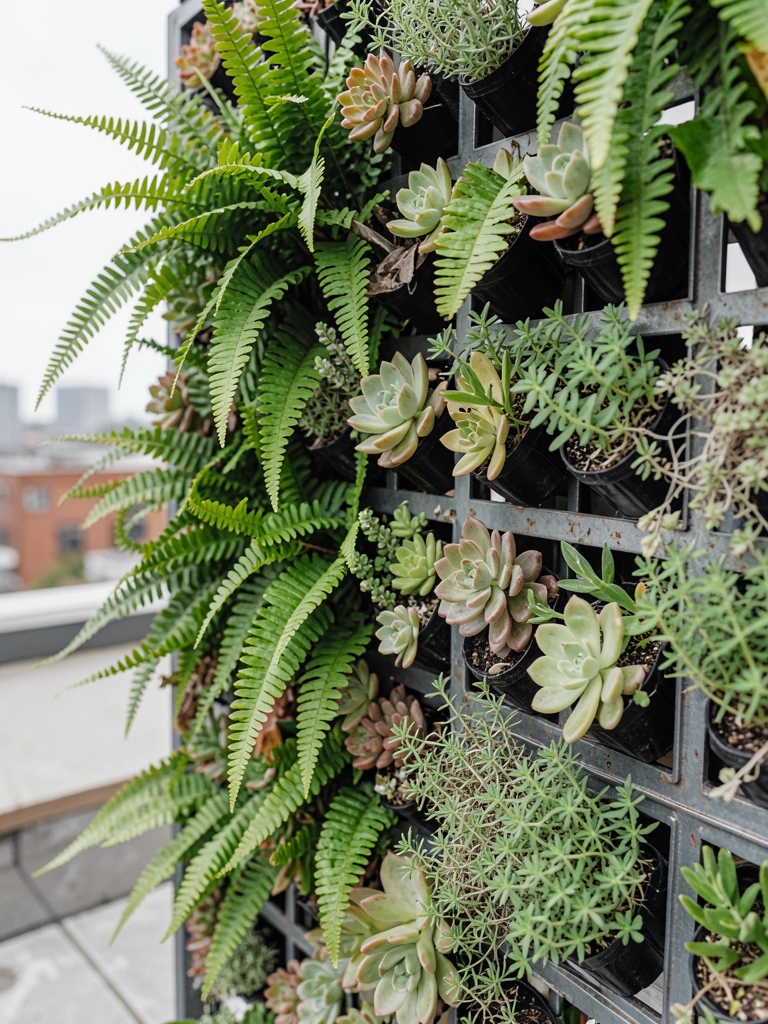
I built a DIY pocket wall after getting tired of floor clutter. Vertical planting freed up space and added instant green.
I mixed shade-loving ferns with sun-loving succulents in separate modules. That mistake taught me to plan microclimates on the wall. Some pockets dry faster.
Install irrigation if you can. My hands-and-kettle routine was fine for a while, but summer heat stressed the pockets. A simple drip line made it reliable.
What You’ll Need for This Look
- Modular vertical garden panel (pocket or tray system)
- Lightweight potting mix
- Shade and sun plant mixes (ferns, sedum)
- Micro-drip irrigation kit
4. Edible Terrace with Raised Beds and Herb Pots
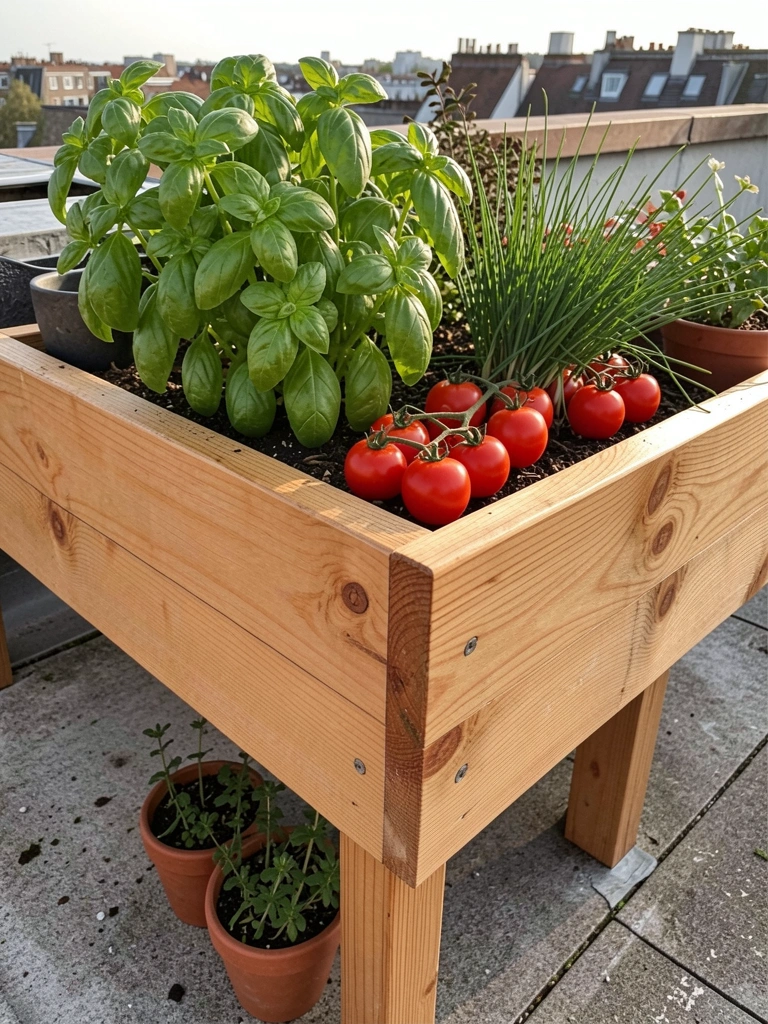
I stopped buying groceries for basil once I had a pot. Raised beds and herb pots make the terrace useful and fragrant.
I use shallow cedar beds for greens and big pots for tomatoes. The difference? Roots. I killed young beans in shallow soil until I learned to match plant root habits.
Place beds near a water source and give big pots a saucer to avoid splashing neighbors below. It makes harvesting easy and the terrace alive.
What You’ll Need for This Look
- Cedar raised bed (2–3 ft long)
- 10–15L deep planters for tomatoes
- Herb starter pack (basil, rosemary, chives)
- Organic potting mix and slow-release fertilizer
5. Mediterranean Terrace with Terracotta and Drought-Loving Plants
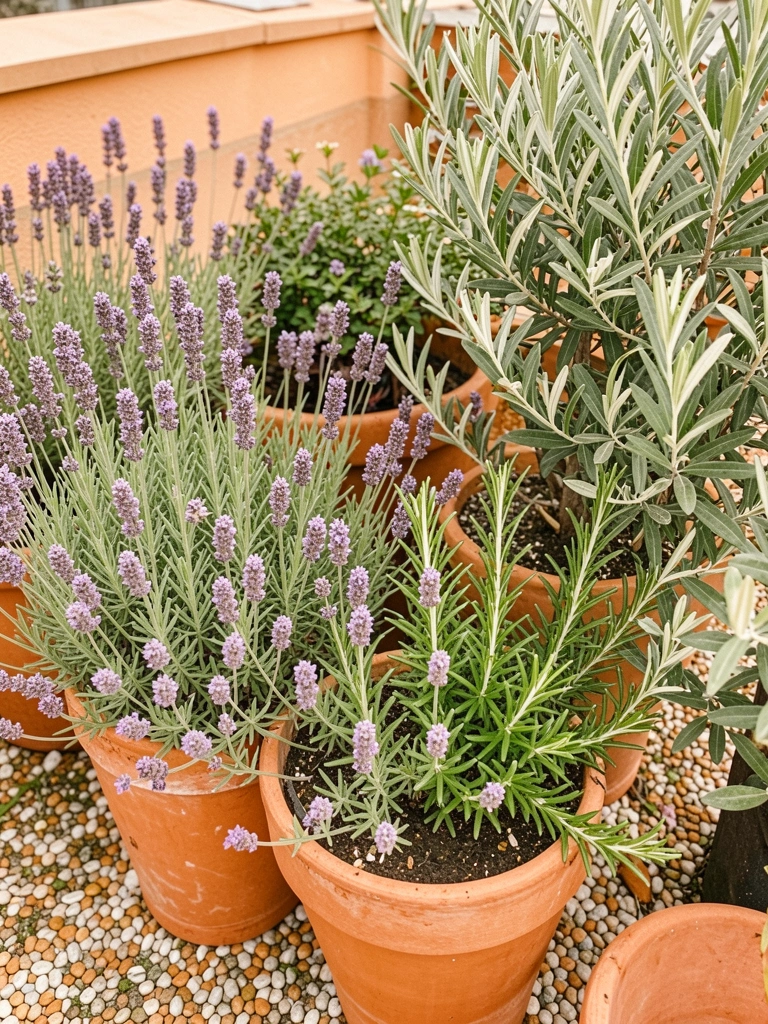
I wanted a sun-baked Mediterranean corner and it surprised me how forgiving it is. Lavender and rosemary thrive in shallow terracotta.
I once overwatered an olive sapling because I mistook summer heat for thirst. These plants prefer dry between waterings. Terracotta helps wick moisture away.
This look ages well — pots crack gently and plants become bonier and more sculptural. It feels calm and simple by late summer.
What You’ll Need for This Look
- Unglazed terracotta pots (varied sizes)
- Lavender and rosemary plants
- Olive or bay tree in large pot
- Gritty Mediterranean potting mix
6. Modern Minimal Planters with Grasses and Sculptural Forms
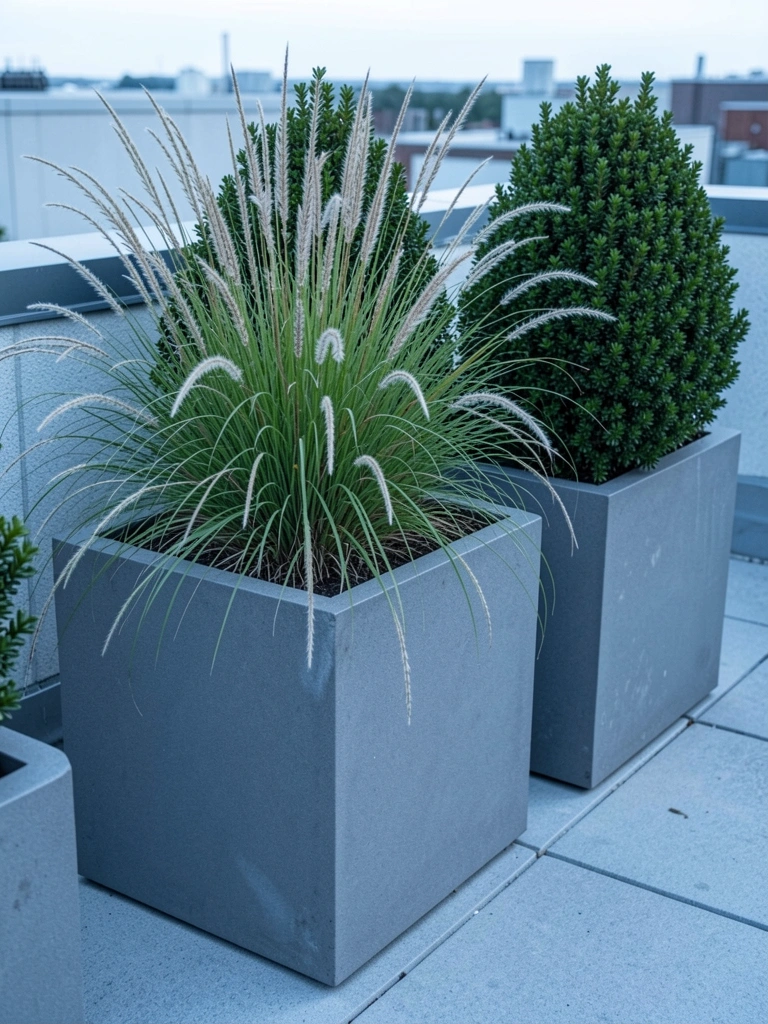
I wanted clean lines and low fuss. Slim rectangular planters with grasses gave a modern rhythm without fussing over flowers.
Grasses move in the wind and hide rooftop clutter. I learned to balance scale — too-small planters look lost. I replaced thin ones with wider troughs for presence.
Maintenance is low. I trim in early spring and refresh soil every two years. This look works if you like ordered, quiet green.
What You’ll Need for This Look
- Fibreglass rectangular planters (36–48 inch)
- Fountain grass (Pennisetum) and boxwood
- Coarse compost
- Long-handled shear
7. Shaded Pergola with Climbing Vines for a Cool Nook
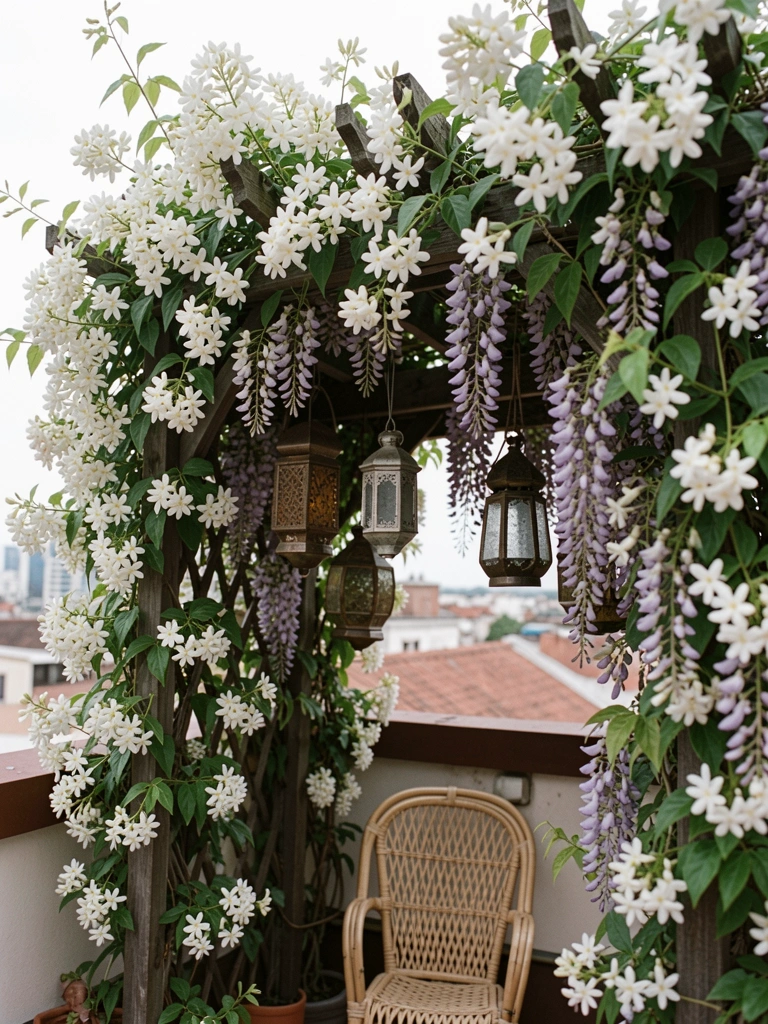
I built a small pergola after a summer that felt like an oven. Vines gave instant shade and a sense of enclosure.
I tried planting wisteria in tiny pots once — big mistake; it demands support and depth. Now I use clematis and jasmine in large planters that I tie to the frame.
Give climbers a strong anchor and check weight limits — mature vines get heavy. The shaded nook is my favorite place to read now.
What You’ll Need for This Look
- Small wooden pergola kit
- Large planter bases (20–30L)
- Climbers (jasmine, clematis)
- Outdoor hanging lanterns (LED)
8. Cozy Seating Nook Framed by Container Trees
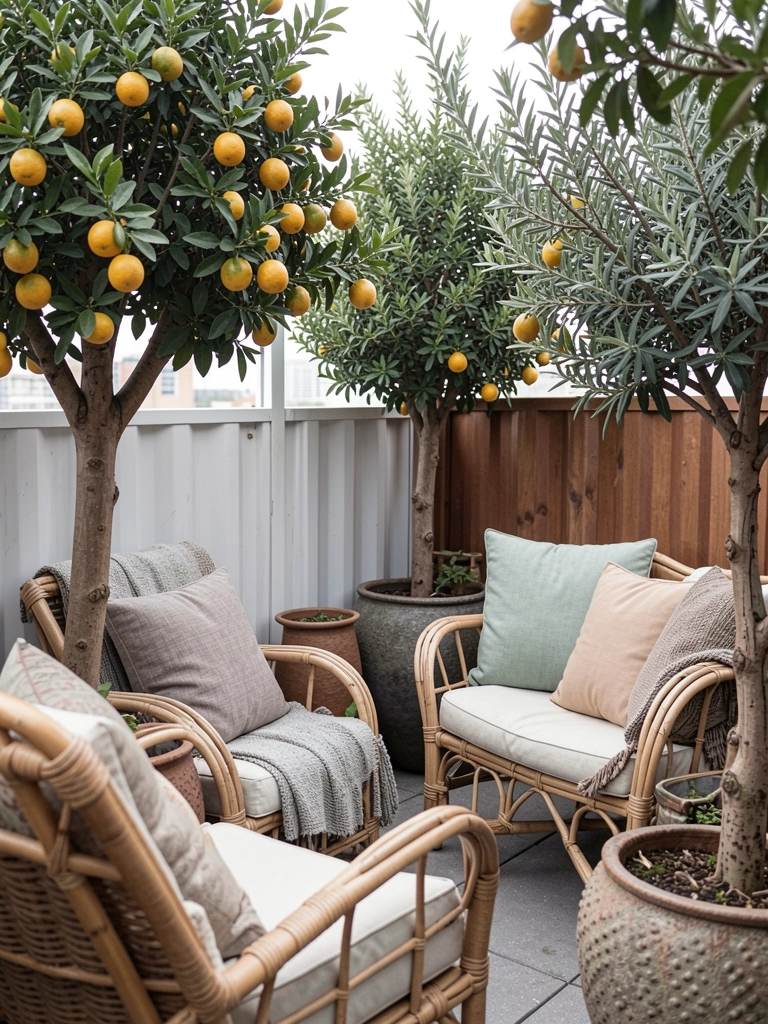
I planted potted trees to create a private room. Dwarf citrus and a bay tree made a fragrant green wall.
I learned to rotate pots for even light. One bay leaned toward the sun because I ignored it. Small trees need pruning and feeding, but they make the space feel rooted.
Add a lightweight sofa and weatherproof cushions. It’s my place to drink coffee and escape the city noise.
What You’ll Need for This Look
- Dwarf citrus in 25–30L pots
- Bay laurel in deep container
- Weatherproof outdoor sofa or chairs
- Slow-release citrus fertilizer
9. Succulent and Drought-Tolerant Rock Garden in Containers
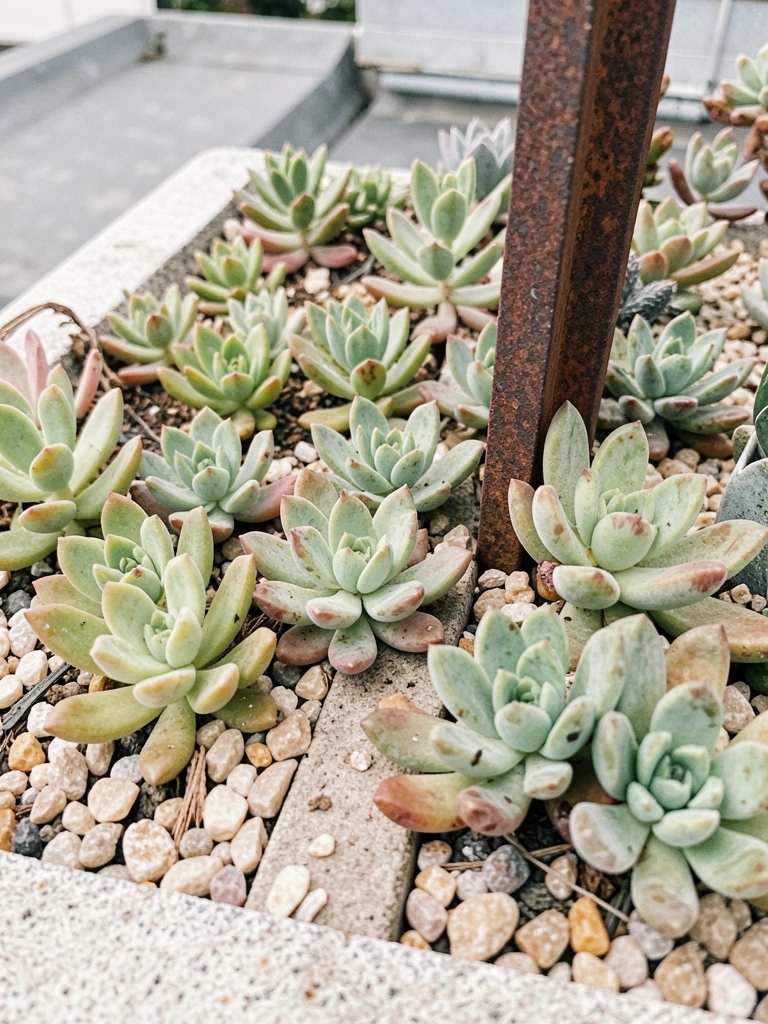
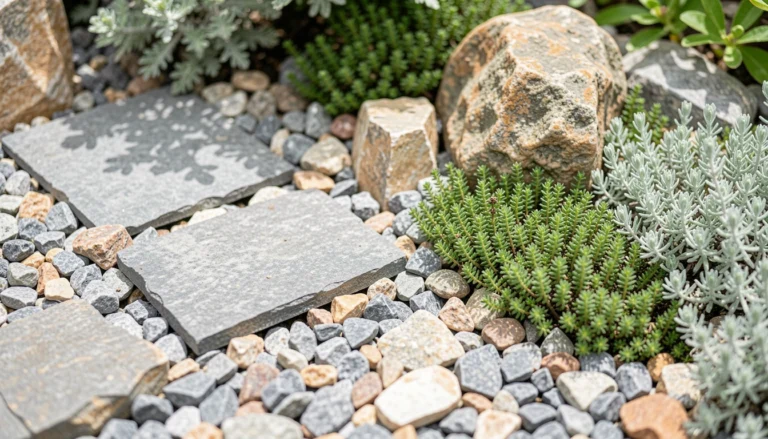
I once killed succulents by over-potting them into deep soil that stayed wet. Shallow troughs with gritty mix fixed that.
Grouping different textures — echeveria, sedum, agave pups — creates a sculptural, low-water bed. I added stones to hold heat and reduce watering.
In winter I cover sensitive pots or move them to a protected corner. It’s a low-maintenance look that still surprises visitors.
What You’ll Need for This Look
- Shallow stone or concrete troughs
- Succulent mix (fast-draining)
- Assortment of succulents (sedum, echeveria, agave)
- Decorative gravel mulch
10. Night Garden with Layered Lighting and Lanterns
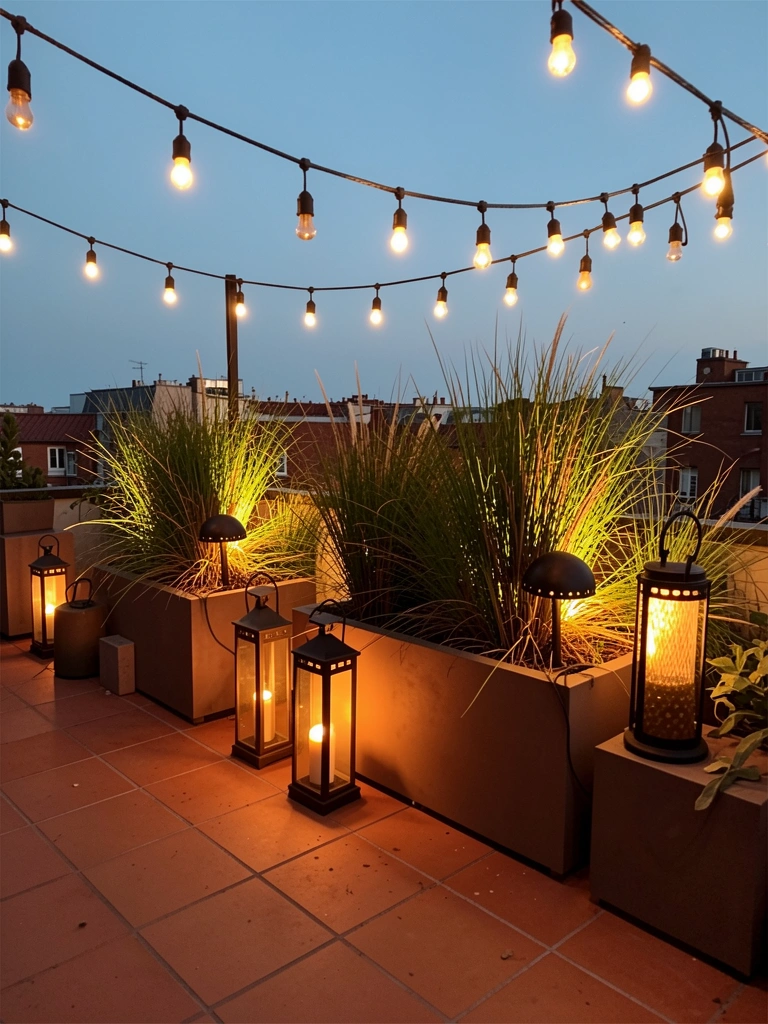
I used to only think of daylight. Adding layered lighting changed how I use the terrace after dark.
String lights give warmth, lanterns add pockets of soft light, and uplighting shows architectural plants. I once installed too-bright bulbs and felt like in a parking lot — dimmers helped.
Aim for warm-white bulbs and a mix of solar and plug-in for reliability. The terrace becomes twice as useful and inviting at night.
What You’ll Need for This Look
- Warm-white string lights (outdoor-rated)
- Solar lanterns and table lamps
- Low-voltage uplights
- Outdoor-rated extension cords and timers
11. Multi-Level Decking with Integrated Planter Benches
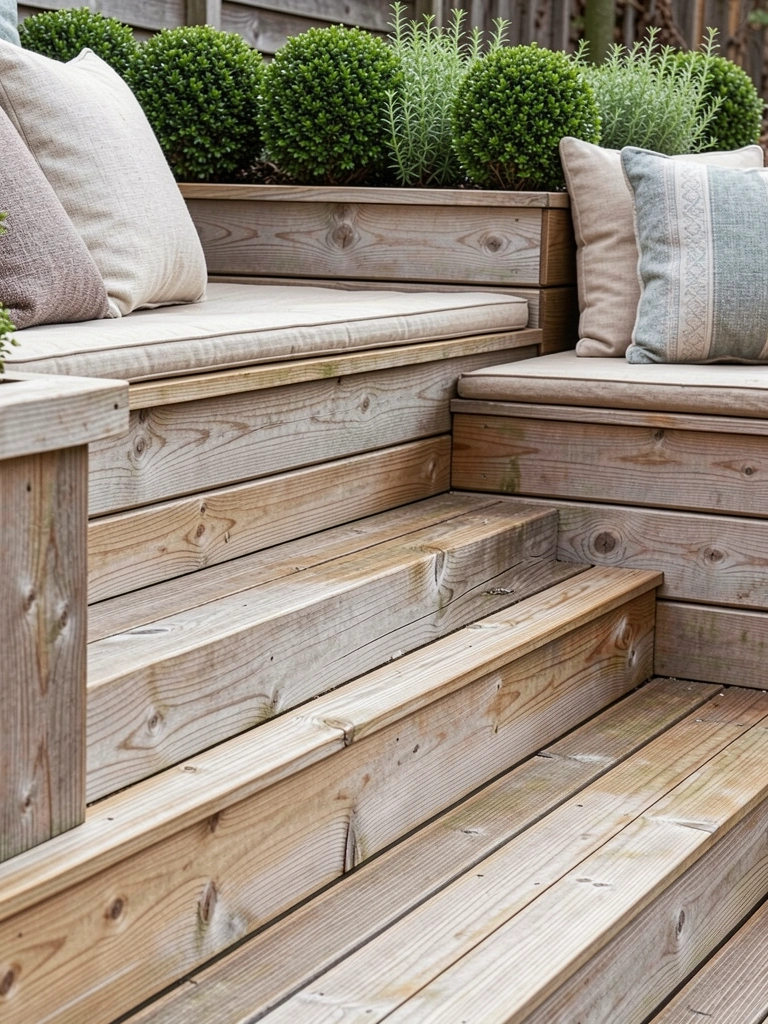
I built levels to break a flat slab into rooms. Integrated planters on bench ends add green edges and seating.
I misjudged timber treatment once and had to re-stain after a harsh winter. Choose weatherproof timber and plan for small gaps for drainage.
This layout creates intimacy. You can carve a reading bench, a dining step, and a sunbed without fences.
What You’ll Need for This Look
- Cedar decking boards and screws
- Built-in planter bench kit or DIY plan
- Boxwood and small shrubs
- Outdoor cushions and waterproof fabric
12. Privacy Screen with Bamboo and Lattice Panels
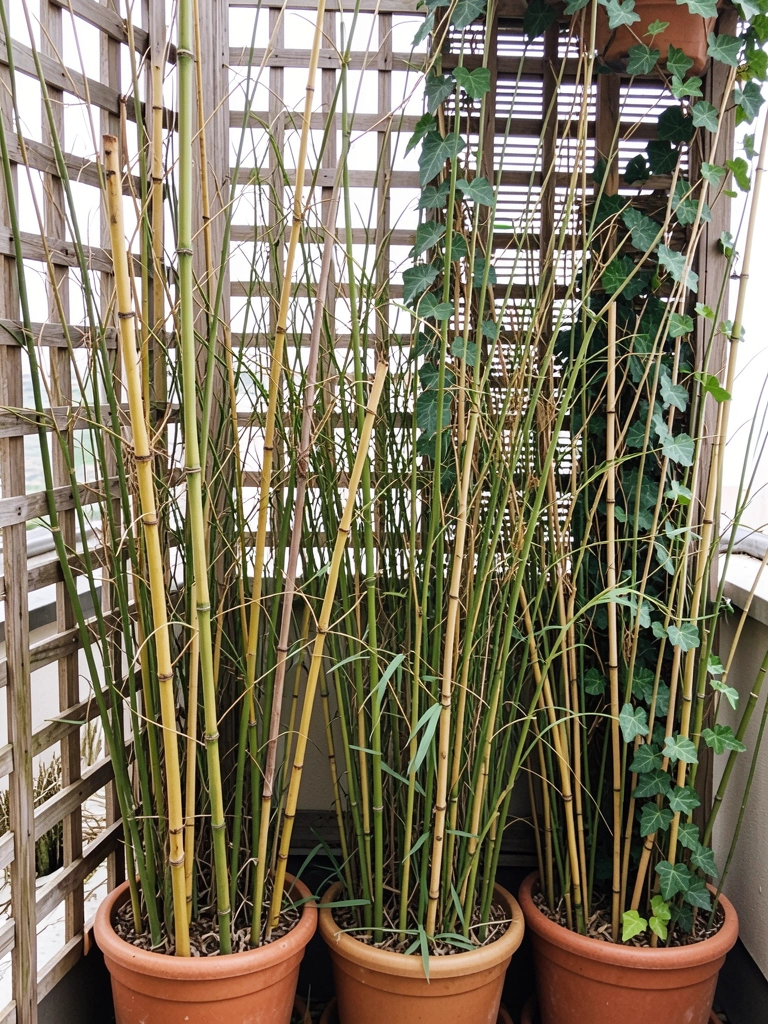
Neighbors can be close on rooftops. I used bamboo in tall planters and lattice with climbers to create privacy.
Bamboo can run if you use the wrong type. I once bought running bamboo; it was a nightmare in shared soil. Use clumping bamboo in containers.
Combine living screening with a wooden panel for instant privacy while plants establish.
What You’ll Need for This Look
- Clumping bamboo in large planters (40–50L)
- Wooden lattice panels
- Climbing ivy or honeysuckle
- Heavy planter saucers
13. Seasonal Bulb Planters for Spring Drama
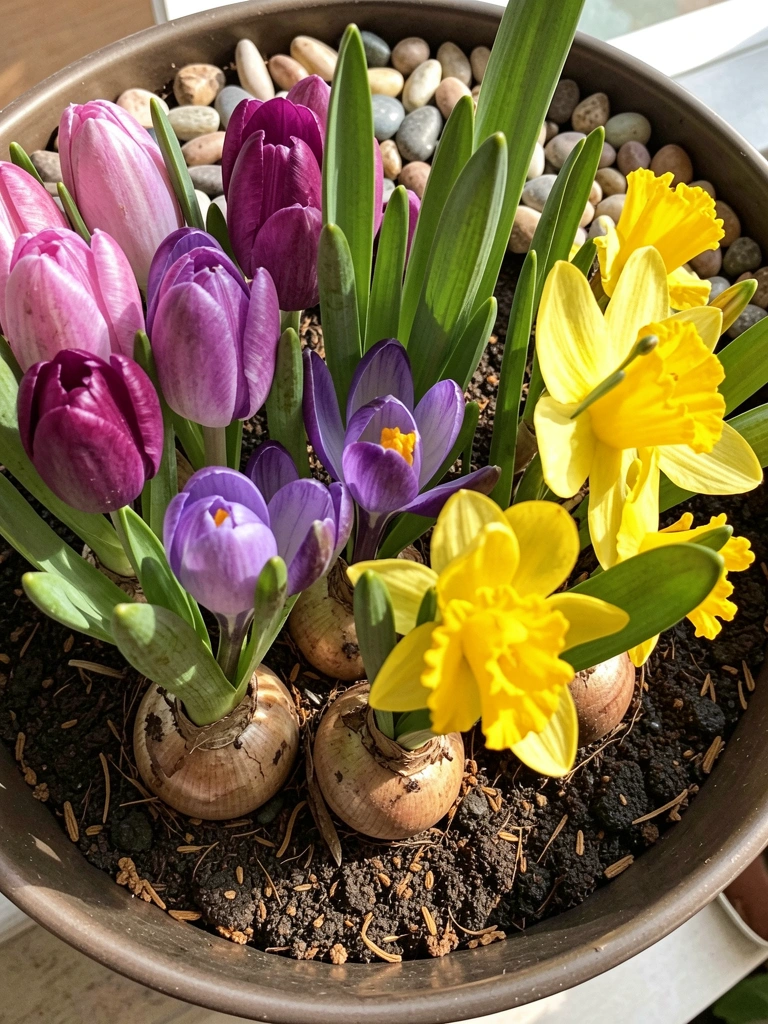
I cram bulbs into pots every autumn now. They’re my early-season reward after winter maintenance.
I plant taller bulbs at the back and shorter at the front for staggered color. My first year I used too-deep pots and bulbs rotted. Shallow pots with grit saved them.
Lift or leave bulbs depending on species, and mix in evergreen fillers so pots stay lively after blooms fade.
What You’ll Need for This Look
- Bulb planting pots (10–14 inch)
- Spring bulbs (tulip, daffodil, crocus)
- Bulb compost and grit
- Low evergreen fillers (hebe, heuchera)
14. Ornamental Grasses for Movement and Sound
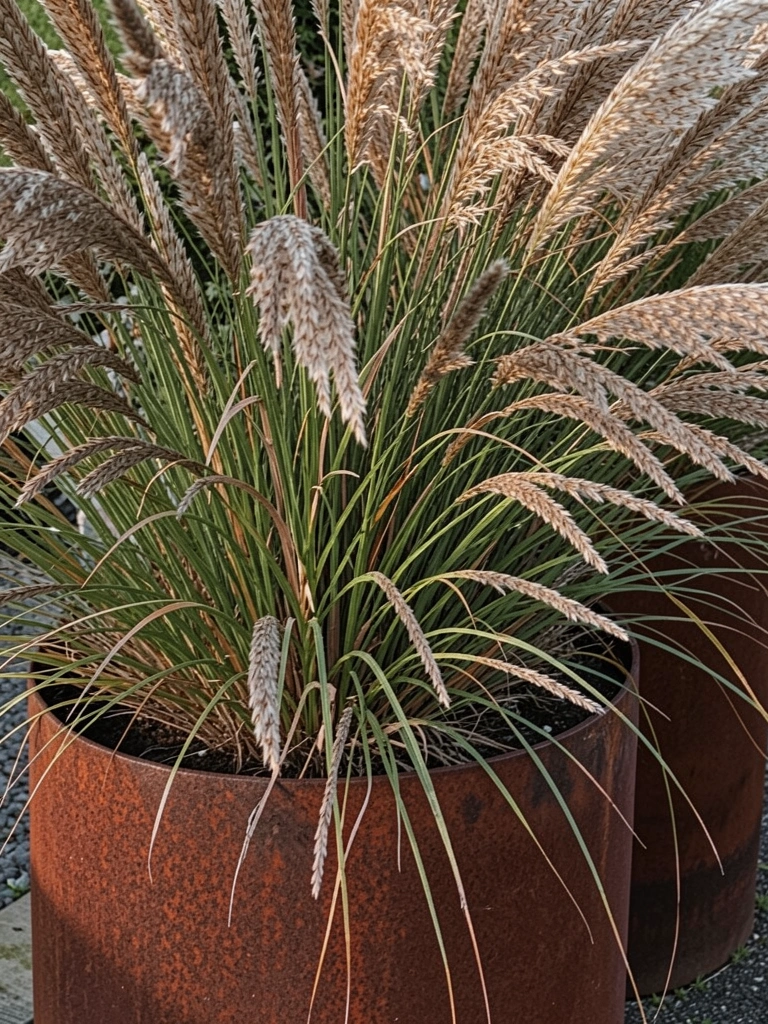
Grasses are my rooftop windproofers. I use them to add movement and sound without fuss.
They hide ugly vents and soften railings. I once underplanted with delicate perennials that couldn’t compete for light. Now I use tough groundcover under grasses.
Cut them back in late winter and they return airy and clean. They’re reliable and give the terrace a lived-in rhythm.
What You’ll Need for This Look
- Large metal planters or troughs
- Ornamental grasses (Miscanthus, Carex)
- Tough groundcover (sedum, thyme)
- Secateurs for seasonal tidy-up
15. Wildflower Meadow in Big Containers for Pollinators

I converted one tired bed into a meadow container and never went back. It buzzes with bees and feels free.
I sowed a mix rather than neat perennials. First season it looked messy; I worried. By year two it settled into a charming, seasonal patch. My mistake taught patience.
Deadhead selectively to extend blooms and leave some seedheads for winter interest and birds.
What You’ll Need for This Look
- Large fabric grow bags or half wine barrels
- Wildflower seed mix for containers
- Lightweight compost
- Hand rake for sowing
16. Compact Fruit Trees in Containers for Fresh Picks
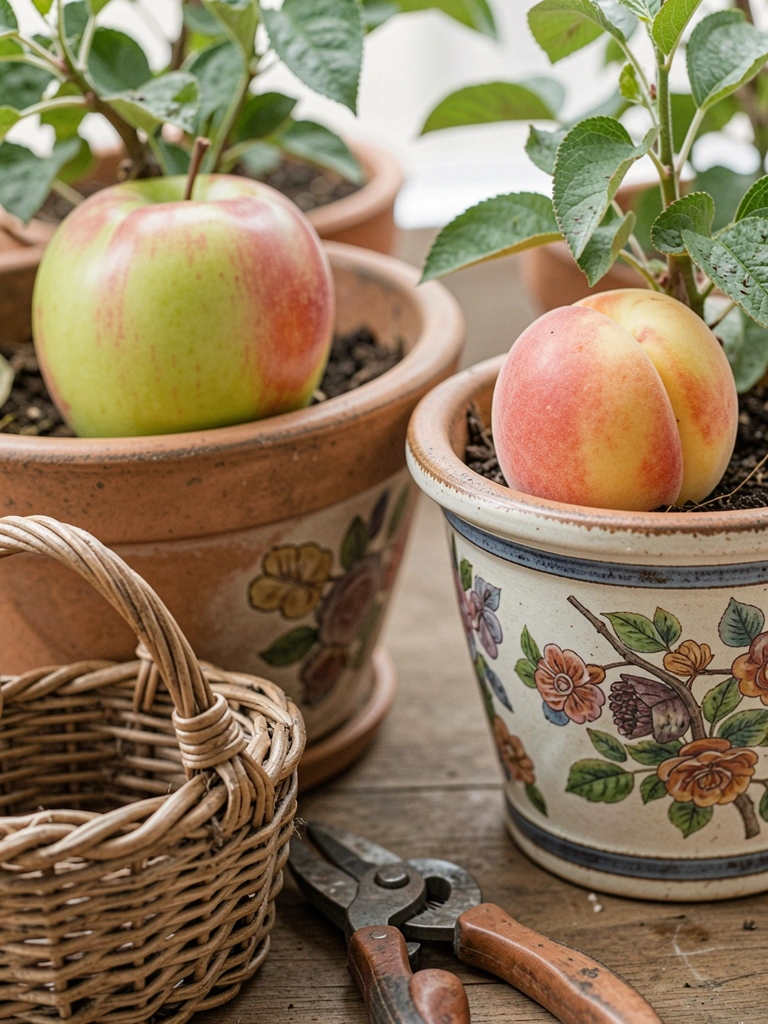
I planted a dwarf apple in a pot and picked fruit the next year — still a thrill. Compact fruit trees are surprisingly productive.
They need winter chill and good pruning. I once let my peach get leggy and it produced little fruit. Prune for an open shape and feed in spring.
Choose self-pollinating varieties if space is tight. The payoff is fresh fruit and a tree-shaped presence.
What You’ll Need for This Look
- Dwarf fruit trees (apple, peach) in 40–60L pots
- Fruit tree compost and slow-release feed
- Pruning shears and training ties
- Harvest basket
17. Small Water Feature for Sound and Wildlife
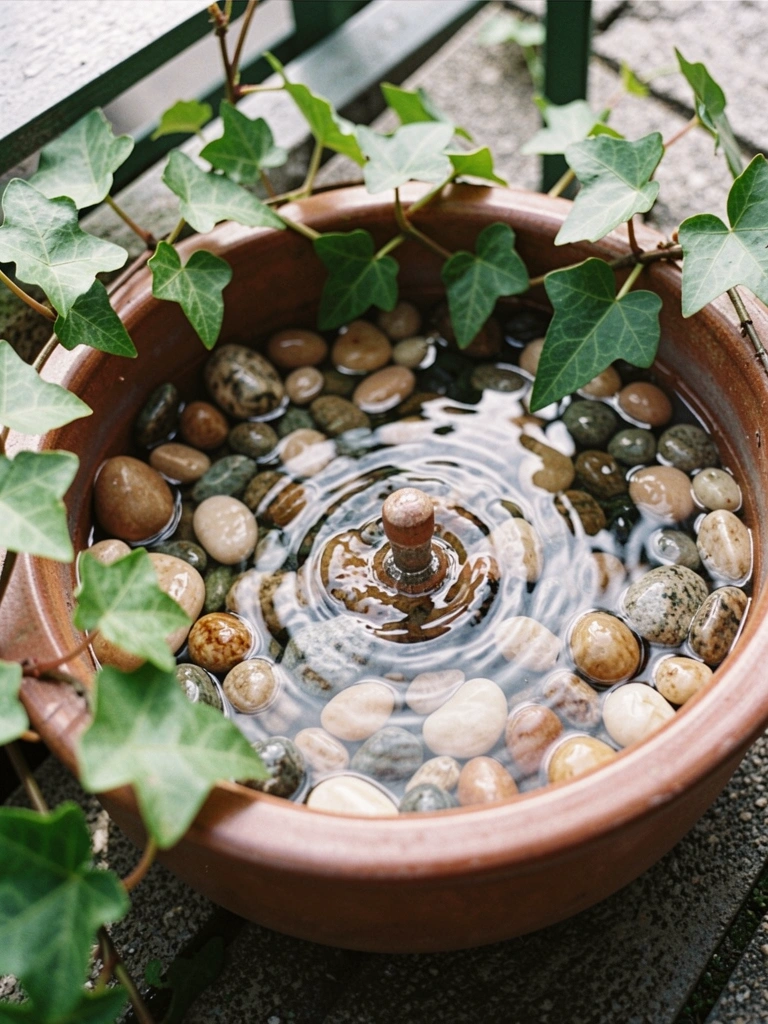
I added a small fountain for sound because city noise can be relentless. Running water calms and attracts birds.
I made the rookie error of placing it in full sun; algae exploded. Moving it partly shaded and using a small pump with a filter helped.
Pick shallow, heavy materials so wind won’t tip the basin. Even a small fountain changes how the terrace feels.
What You’ll Need for This Look
- Small ceramic or stone fountain bowl
- Submersible pump with filter
- Pebbles for concealment
- Lightweight pond plants or trailing ivy
18. Pollinator Patch with Native Shrubs and Nectar Plants
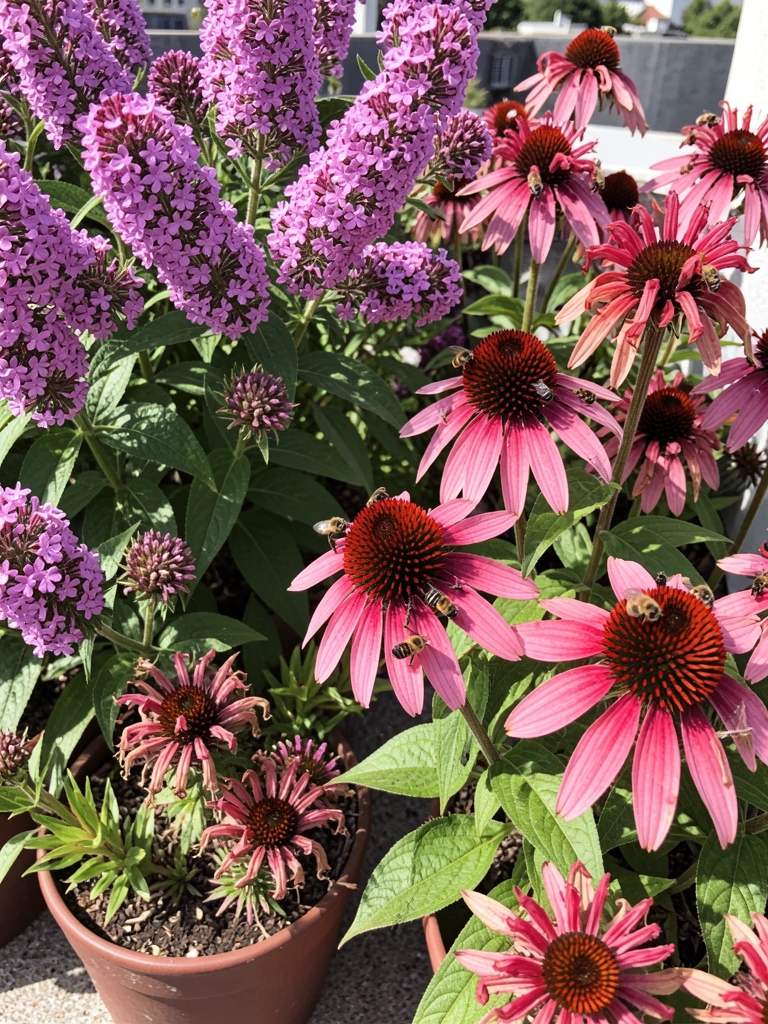
I started a pollinator patch after noticing few insects. Native shrubs and nectar plants brought bees back.
I mixed long-flowering perennials with shrubs. I learned that packet seeds alone weren’t enough — shrubs give structure and late-season nectar.
Avoid over-fertilizing. Too much feed makes leafy plants with fewer flowers. This patch made the terrace hum and feel purposeful.
What You’ll Need for This Look
- Buddleia and native shrubs in large pots
- Echinacea, bee balm, and phlox
- Pollinator seed mix
- Organic slow-release fertilizer (sparing use)
19. Handy Potting Corner with Storage and a Folding Bench
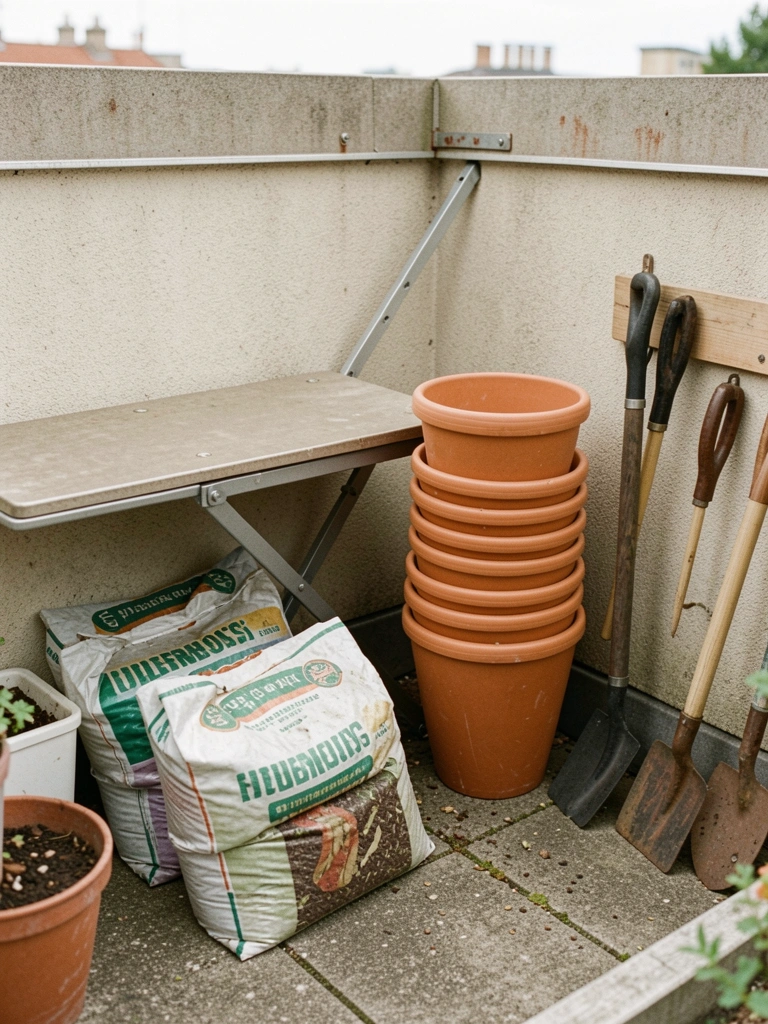
I kept tools in a plastic tub for years and hated digging through it. A small potting corner changed everything.
A folding bench that doubles as storage keeps soil off seating and makes repotting quicker. I once stored compost in open bags — mice found it. Now I use sealed bins.
This is where chores become easier and the terrace stays tidy. It’s the unsung hero of my roof.
What You’ll Need for This Look
- Fold-down potting bench with storage
- Stackable terracotta pots and saucers
- Sealed compost storage bin
- Basic tool set (trowel, fork, gloves)
Final Thoughts
You don’t need to do every idea. Pick one or two that fit your light, wind, and time.
I started small and built on what worked. You’ll learn fast from mistakes, and that’s part of the fun.
Make choices that feel comfortable and useful. Your terrace will grow into a room you actually want to be in.