20 Vibrant Flower Garden Bed Ideas For A Colorful Yard
I used to cram bright pots everywhere and watch them sulk.
What finally worked was planning beds that actually fit how I use the yard.
These ideas come from seasons of mistakes, changes, and small victories.
They’re simple. They’re real. Try one at a time.
20 Vibrant Flower Garden Bed Ideas For A Colorful Yard
These 20 ideas are hands-on and easy to try.
I’m sharing what I planted, what failed, and what I’d repeat.
You’ll get practical, lived-in options you can start this weekend.
1. Layered Cottage Border With Perennials and Annuals
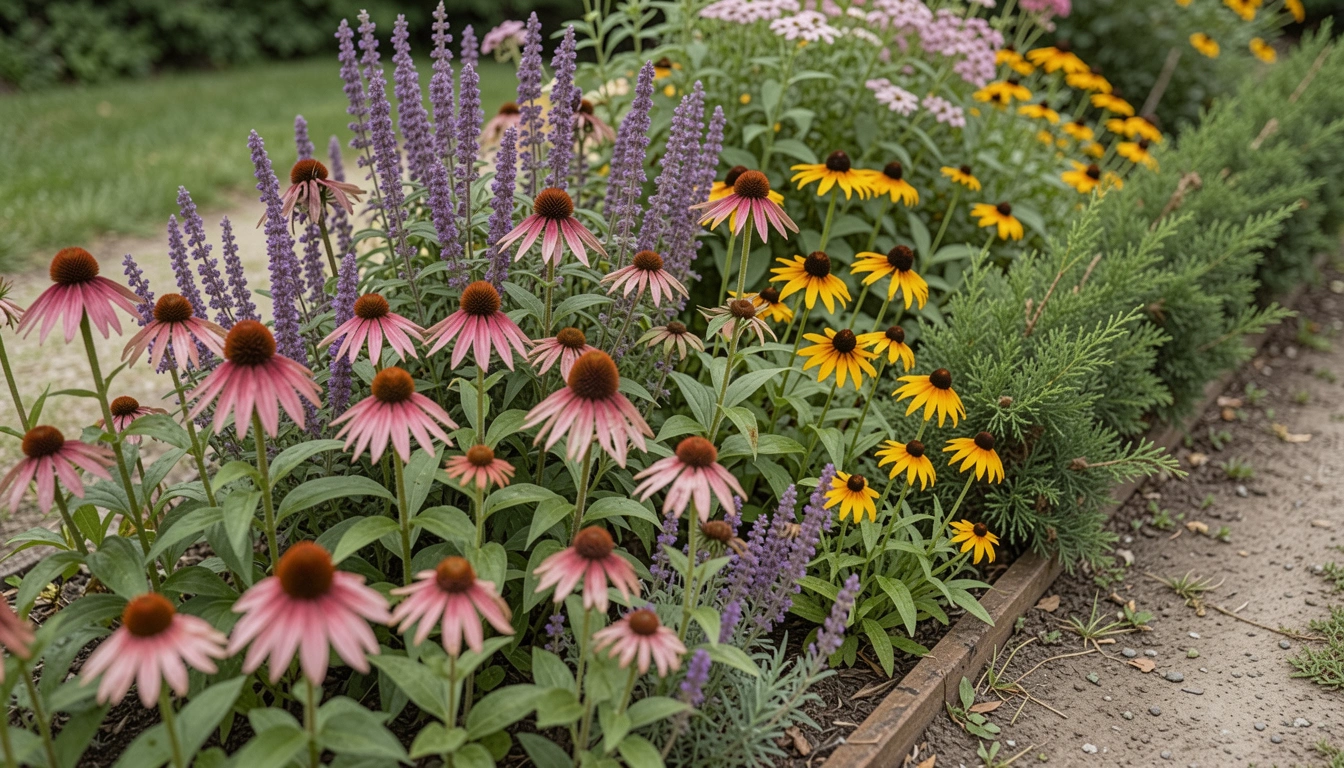
I built this border around a crooked fence and loved how it softened the yard. I staggered heights so nothing hid the neighbor’s light. The mix of perennials (echinacea, salvia) with pop-in annuals (zinnias, cosmos) kept color through summer. I learned to deadhead weekly; otherwise the show shortens fast. If you want that full cottage look, plan for staggered bloom times and leave space for volunteers.
What You’ll Need for This Look
- Echinacea (purple, 18–24 inch)
- Salvia (deep blue, 12–18 inch)
- Cosmos and zinnias (annuals)
- Raised bed edge (reclaimed brick)
2. Sunny Pollinator Strip Along a Driveway
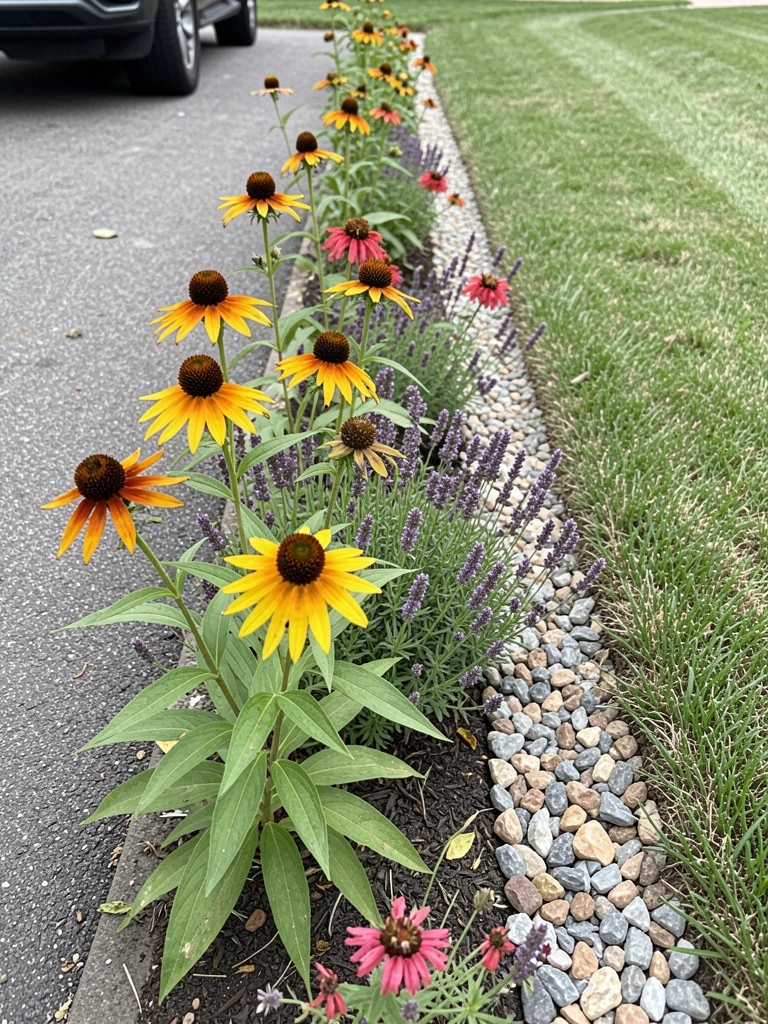
I turned a thin strip into a buzzing corridor. Planting milkweed and bee balm brought bees and butterflies within minutes. It’s narrow, so I used vertical interest—tall liatris and buddleia—to catch the eye. I used gravel for drainage; that helped in wet winters. The big tip: don’t tidy every leaf in fall—some stems host overwintering insects.
What You’ll Need for This Look
- Milkweed plugs (asclepias, 12–18 inch)
- Bee balm (monarda, red or pink)
- Liatris (tall purple spikes)
- Gravel path edging, 3–4 inch
3. Shade-Friendly Fern and Heuchera Flower Bed (with a lesson)
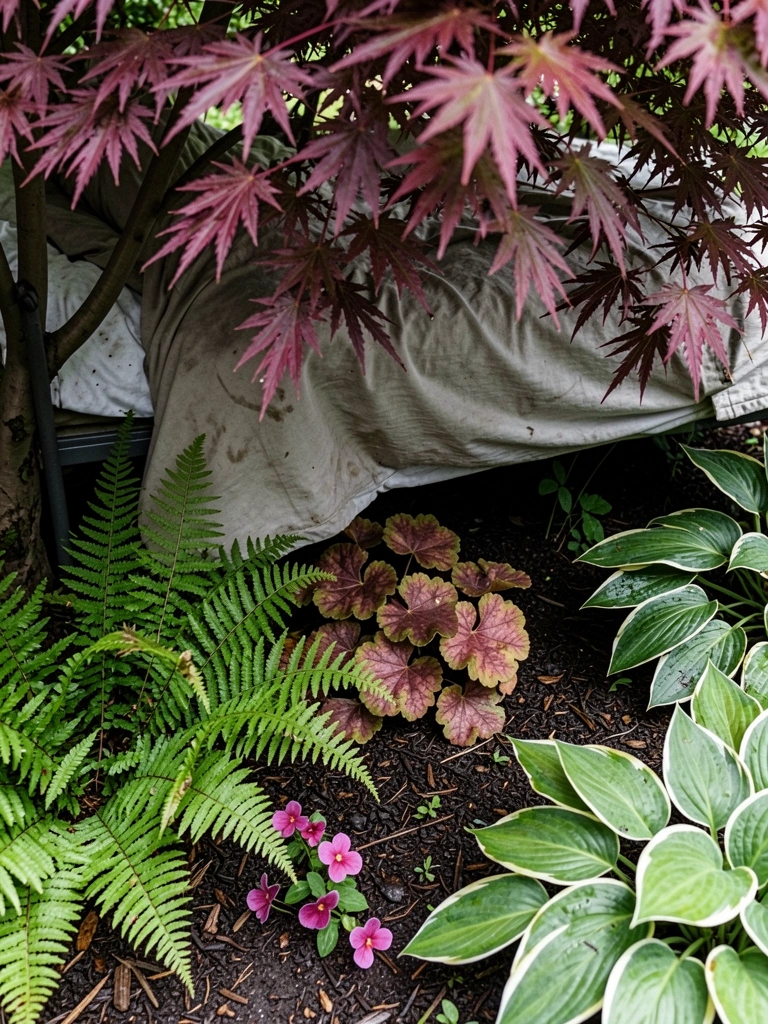
I planted hostas and assumed they’d love it. They did—until a dry spring stressed them. I learned to add mulch and a drip line. The mix of texture—soft fern fronds and ruffled heuchera—keeps the bed interesting when flowers are sparse. I add pop-in impatiens for color where light allows. Shade beds take time to settle; be patient with spacing and irrigation.
What You’ll Need for This Look
- Ferns (native, medium size)
- Heuchera (mixed foliage colors)
- Hostas (variegated, 12–24 inch)
- Mulch (2–3 inch) and drip irrigation tape
4. Bold Monochrome Hot-Pink Bed
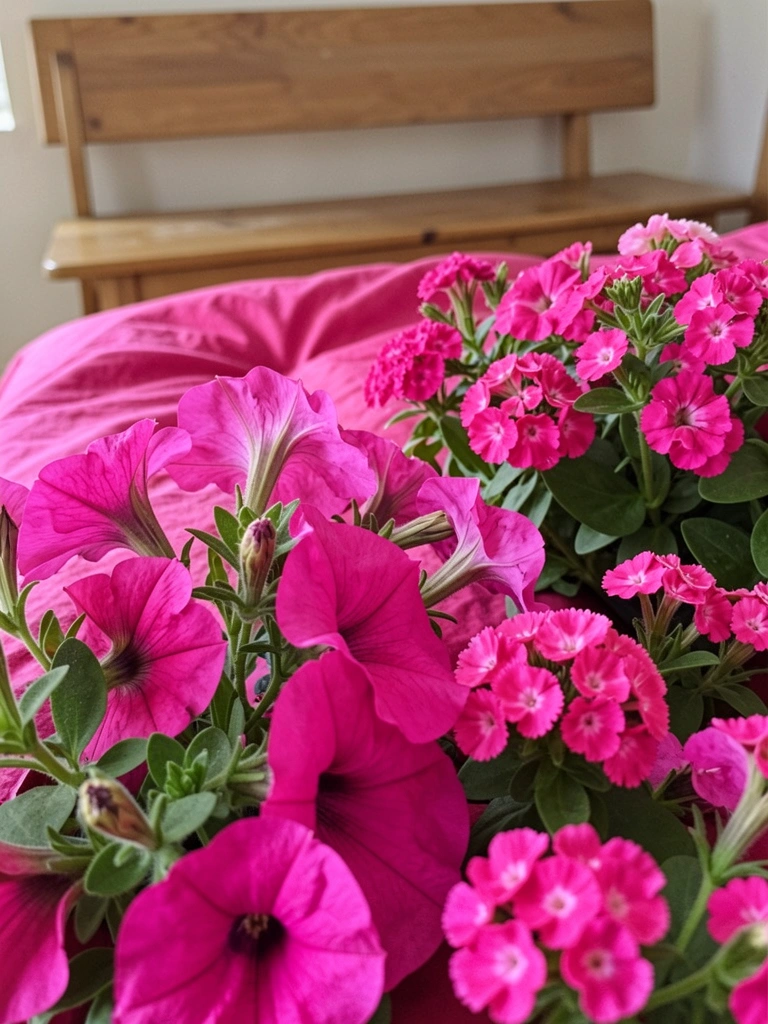
I once committed to hot pink and it really read like a mood. Using three pinks with different textures—spiky dianthus, billowy petunias, and tall phlox—made it rich, not flat. I kept foliage muted to let the color sing. It’s a small-scale idea that feels dramatic without a lot of maintenance. Water and deadhead regularly; color fades quickly without attention.
What You’ll Need for This Look
- Petunias (hot pink, trailing)
- Phlox (tall, hot pink)
- Dianthus (fragrant, compact)
- Small bench or accent in neutral wood
5. Low-Maintenance Mediterranean Bed
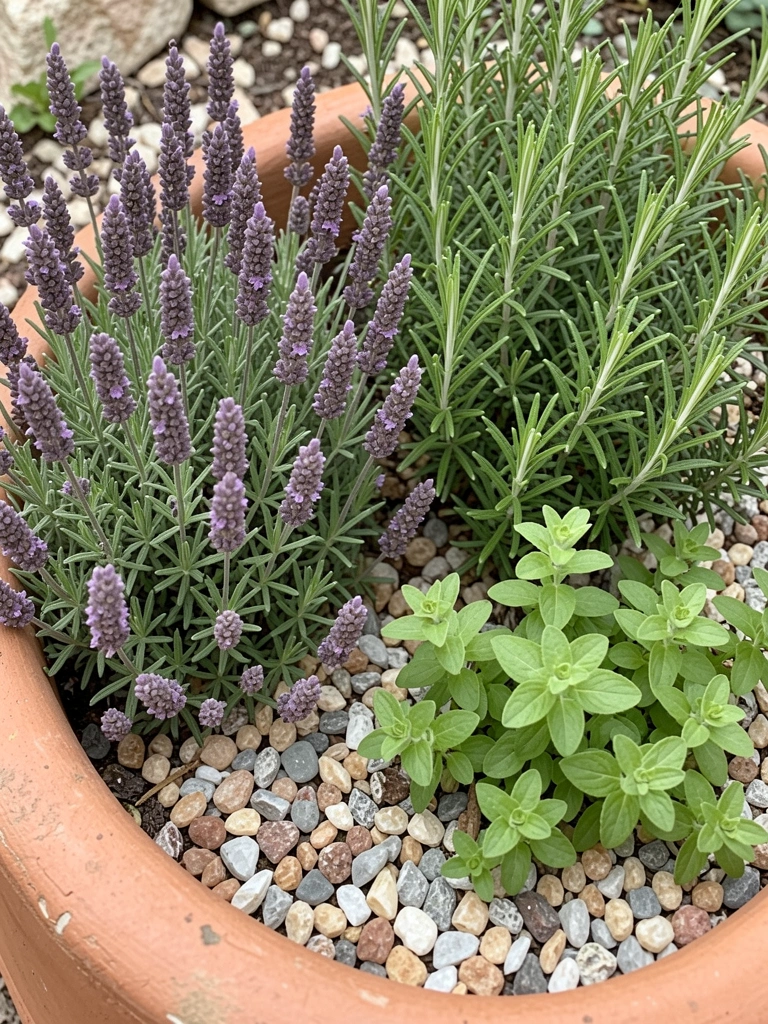
I swapped thirsty bedding plants for lavender, rosemary, and sage in a sunny corner. They reward with scent and steady color. Gravel or crushed rock keeps irrigation fuss minimal. I did overplant once; they competed and grew thin. Now I space for airflow and prune lightly each spring. This bed is about texture and fragrance more than showy blooms.
What You’ll Need for This Look
- Lavender (English or Provence)
- Rosemary (upright)
- Sage or thyme (groundcover)
- Crushed stone mulch, terracotta planter accents
6. Sunset Color Band Bed (Warm Tones Only)
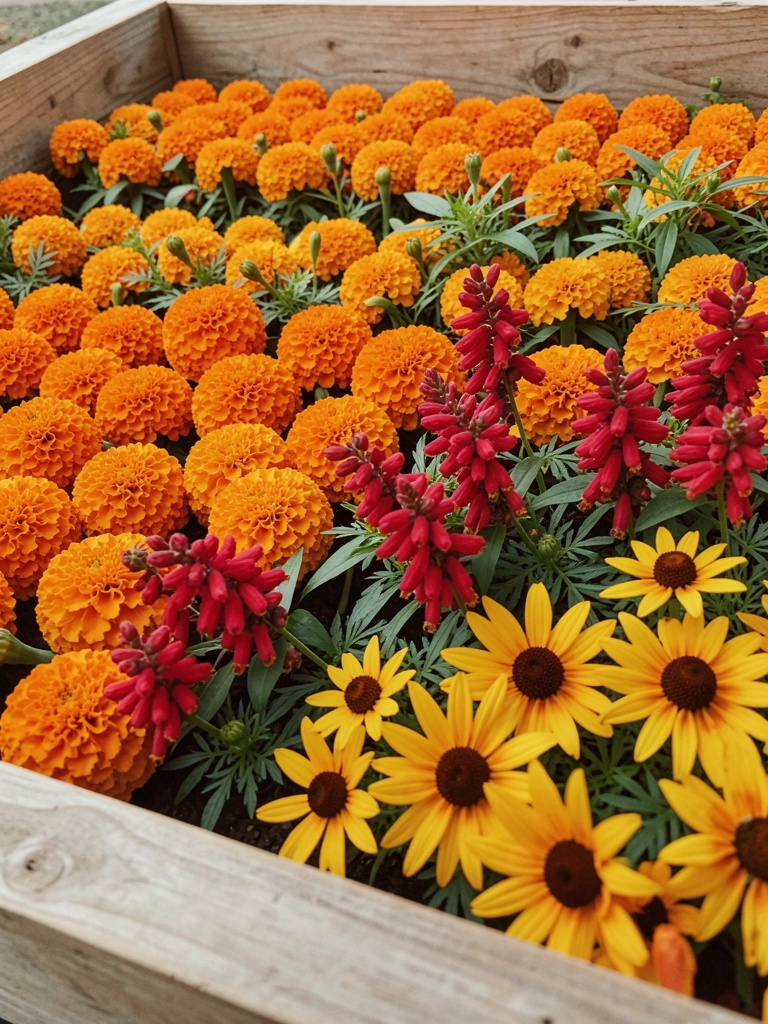
I painted a section of lawn in sunset hues and it radiates all evening. I group by color bands—yellows, oranges, reds—so the bed reads from a distance. I mix perennials with annuals so there’s always some color. The main trick: plant taller species at the back and repeat colors for rhythm. It’s bold but surprisingly easy to maintain.
What You’ll Need for This Look
- Rudbeckia (yellow)
- Salvia (red)
- Marigolds (orange)
- Natural timber bed edging, 2–3 foot spacing
7. Cottage-Style Cutting Garden (and a setback)
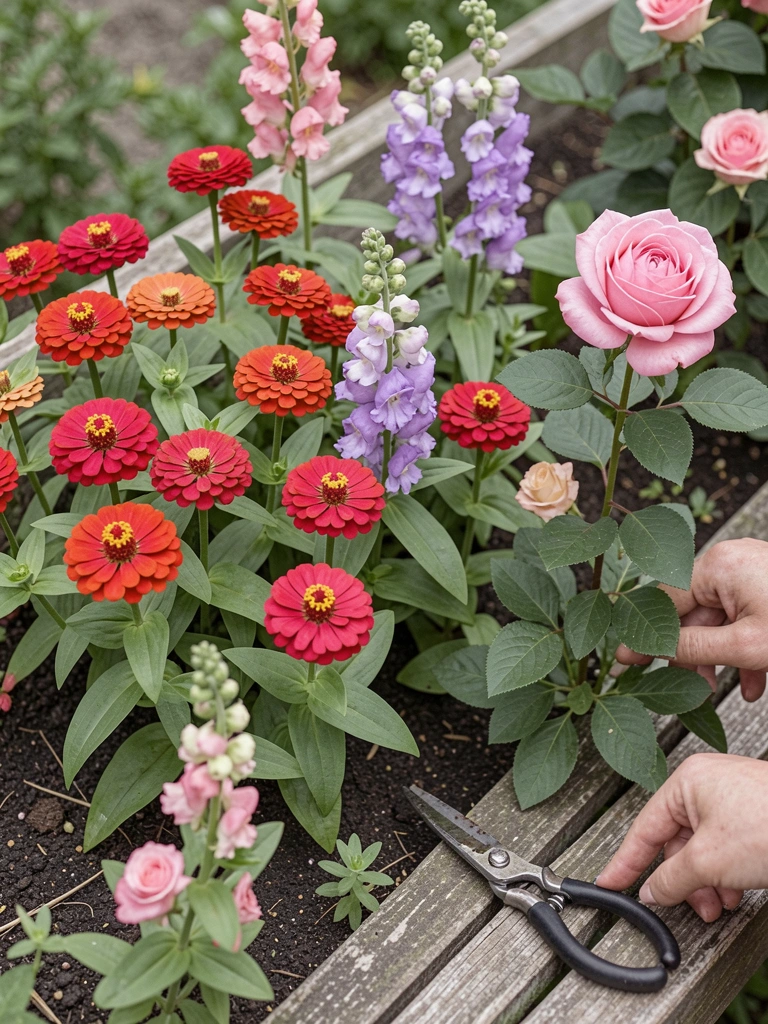
I started a cutting patch for the kitchen table. I learned that some varieties flop if over-watered. Now I pick sturdier stems—zinnias, cosmos, lisianthus—and plant in tight rows for easy harvest. I left a simple gravel aisle between beds so I could reach everything without trampling. Cutting regularly actually prolongs bloom, and the house feels alive with vases.
What You’ll Need for This Look
- Zinnias and cosmos (mixed colors)
- Lisianthus or snapdragons
- Cottage rose (single shrub)
- Garden shears and gravel aisle
8. Moonlight White Bed for Night Interest
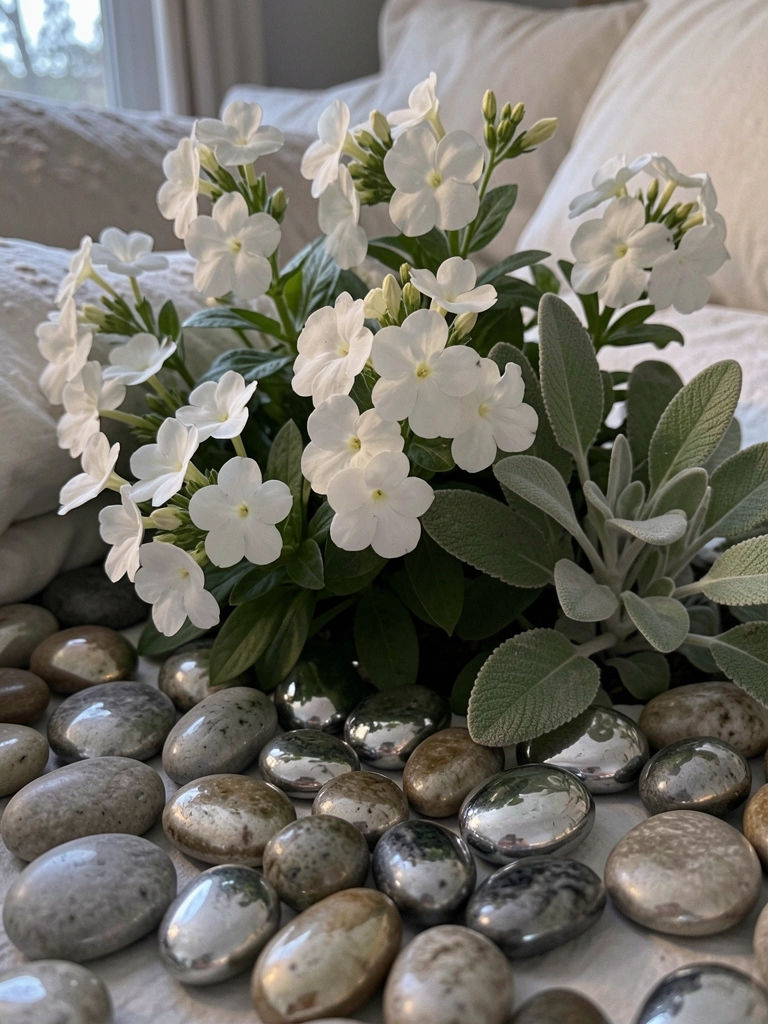
I picked a corner near the patio and planted white flowers for evening enjoyment. The whites pop under soft lighting and make the space feel larger at dusk. I used lamb’s ear foliage to soften edges and a low solar lamp for wash light. White beds are forgiving; they hide a few spent blooms better than bright colors. Keep soil slightly lean to avoid floppy growth.
What You’ll Need for This Look
- Nicotiana and white phlox
- Lamb’s ear (silver foliage)
- Low solar wash light, warm white
- River stones for mulching accents
9. Naturalized Bulb Meadow Strip
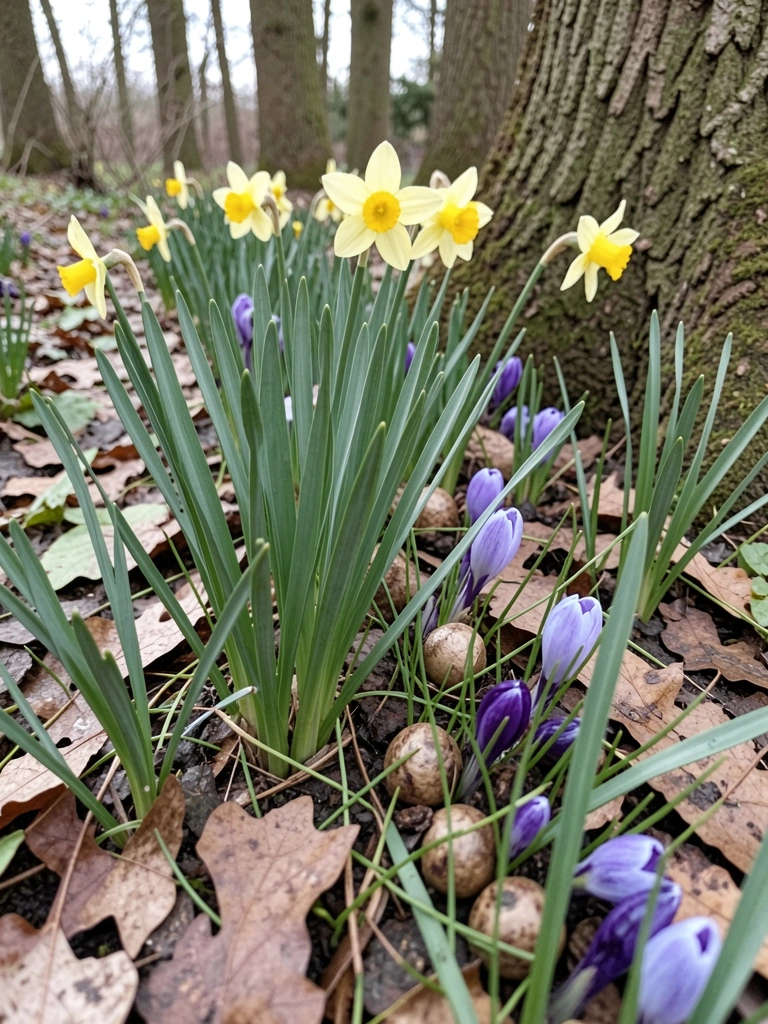
I planted bulbs in drifts along a lawn edge and let them naturalize. The first year looks thin. By year three it felt like the bed had always been there. I mix bulb heights and add a low stake border so mowing won’t interfere. Don’t remove leaves too early; bulbs need time to recharge. Naturalized bulbs give a soft, spontaneous show each spring.
What You’ll Need for This Look
- Bulbs: daffodils, crocus, allium (mixed sizes)
- Garden fork for planting
- Low lawn border stakes
10. Color-Blocked Containers Along a Path
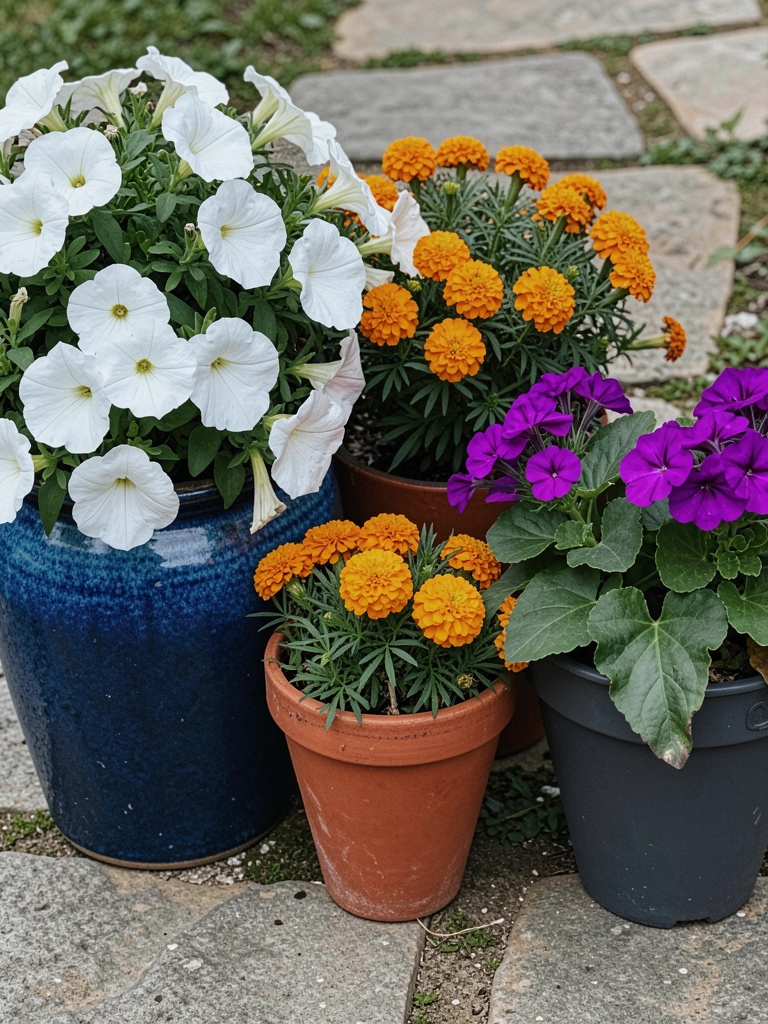
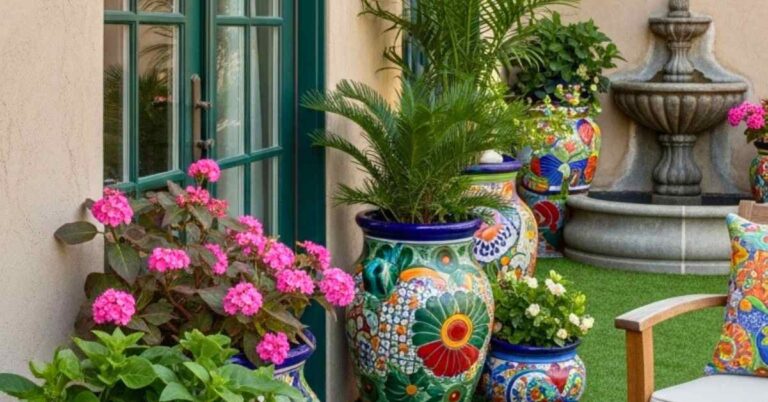
I started using large containers in blocks of color along a walkway. It frames the path and allows seasonal swaps without digging. I learned to choose one dominant color per pot and a filler for texture. Heavy pots reduce tipping and need less watering than small ones. This is an easy lift if you rent or want quick impact.
What You’ll Need for This Look
- Large glazed containers (12–18 inch)
- Color-focused annuals (petunia, marigold, geranium)
- Good potting mix and slow-release fertilizer
- Heavy saucers or gravel fill for stability
11. Butterfly Meadow With Native Grasses
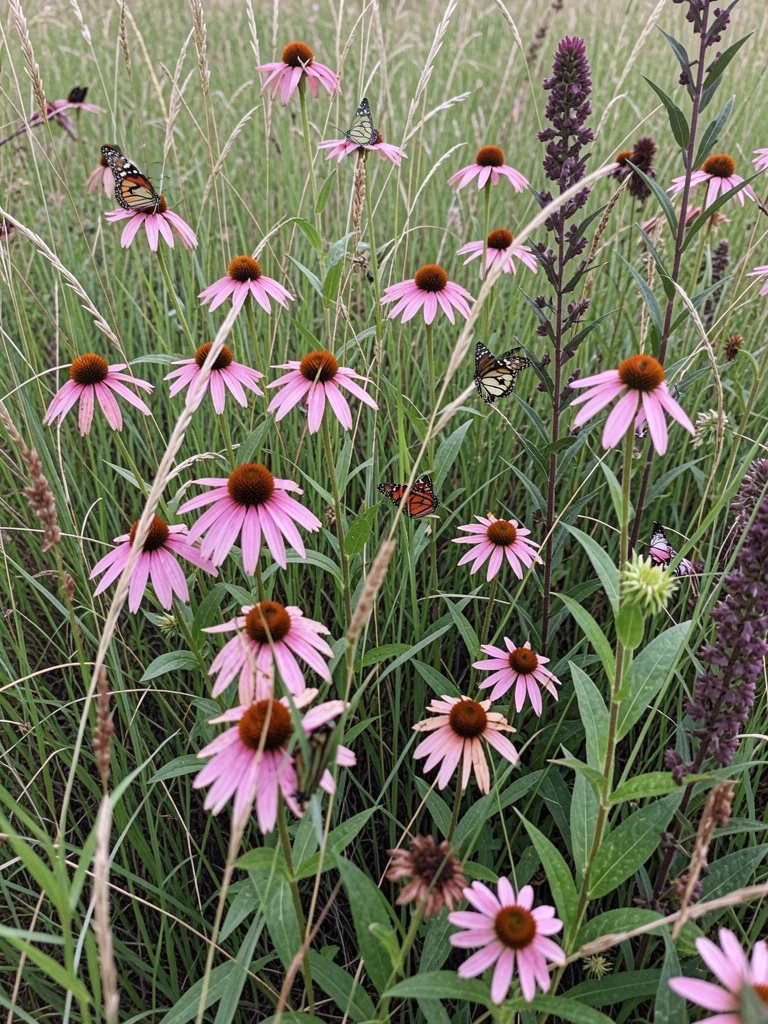
I let a corner go wild and planted natives. The combination of confetti-like grasses and tall flowers is magnet for pollinators. I avoid deadheading everything so seeds feed birds. The patch looks messy early on but improves with each season. It taught me patience—native beds reward slowly but keep returning with less care.
What You’ll Need for This Look
- Native coneflowers and joe-pye weed
- Ornamental native grasses (switchgrass)
- Mulch-free ground (allow self-seeding)
- Small hand rake for light tidy-up
12. Compact Balcony Flower Bed (my pruning lesson)
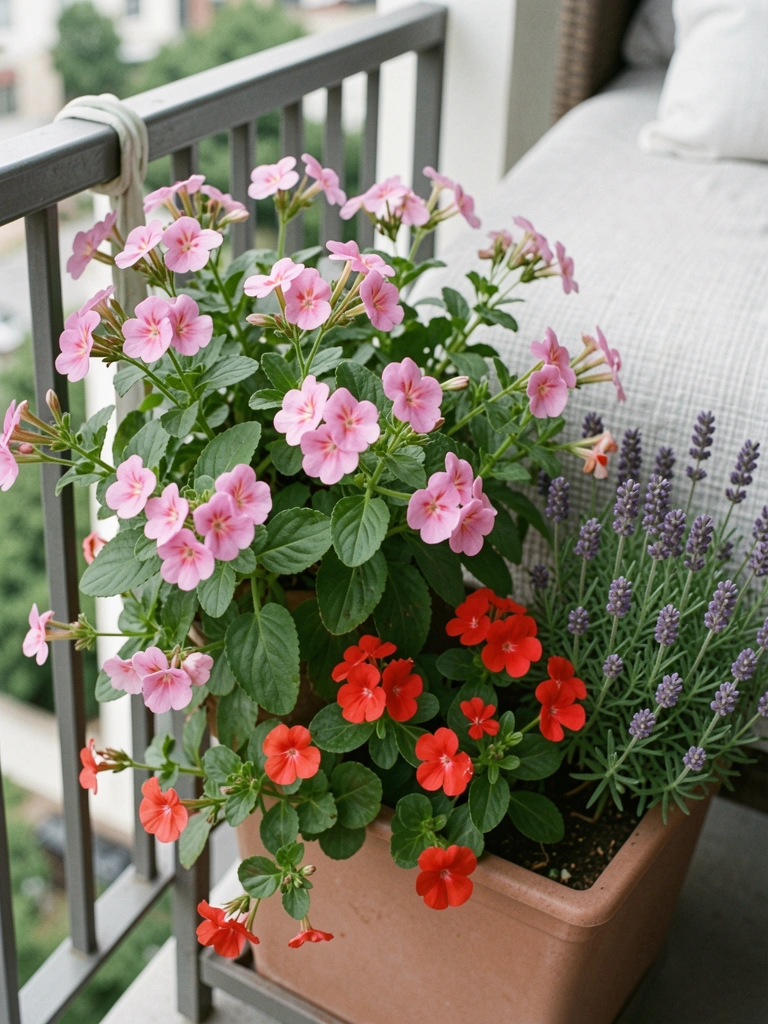
I squeezed a full bed into a balcony planter and learned pruning matters. Left unchecked, the lavenders shaded the trailing calibrachoa. Now I prune lavender early and use a half-and-half planting plan—taller at one end, trailing at the other. It fits small spaces and still gives strong color. Water from the bottom when possible to avoid soggy crowns.
What You’ll Need for This Look
- Rectangular planter (24–36 inch)
- Calibrachoa (trailing), dwarf geraniums
- Small lavender (compact)
- Potting soil mix and slow-release granules
13. Rain Garden Flower Bed for Seasonal Drama
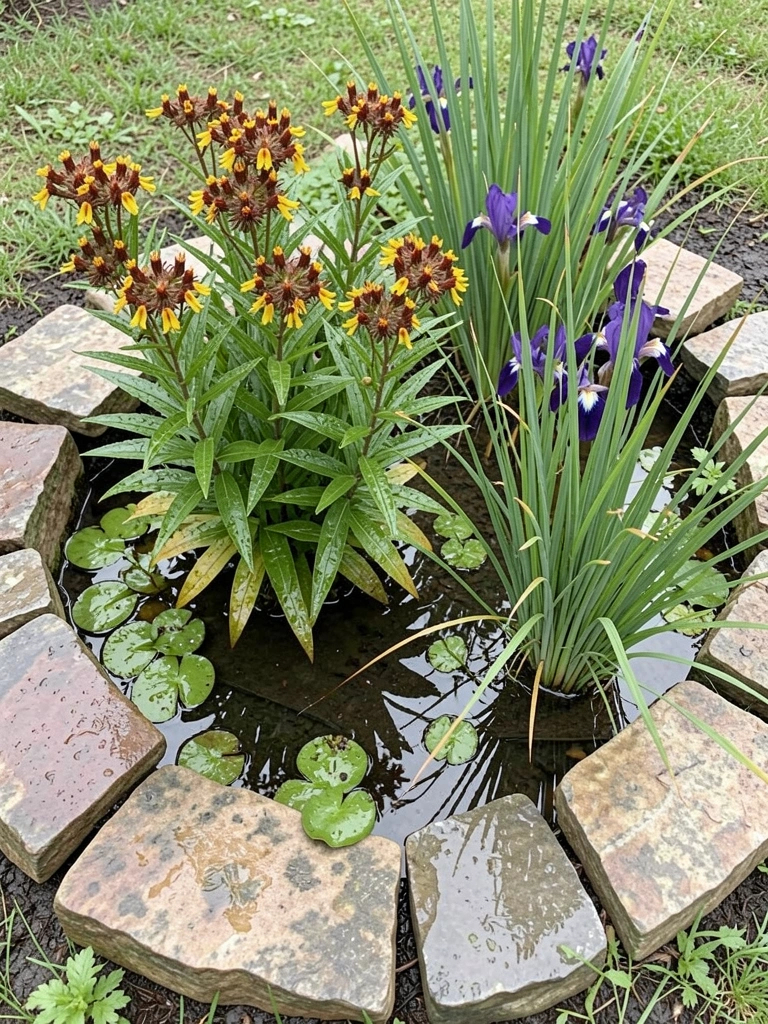
I converted a low spot into a rain garden and finally solved the puddle problem. Planting moisture lovers like irises and sedges made it both useful and pretty. It fills after storms and dries between events. I learned to grade gently so water doesn’t stagnate too long. This bed feels alive with seasonal change and attracts a lot of wildlife.
What You’ll Need for This Look
- Swamp milkweed, iris, sedge
- Shallow basin soil amendment (sand/compost)
- Natural stone border, 6–12 inch depth
14. Wildflower Edge for a Relaxed Look
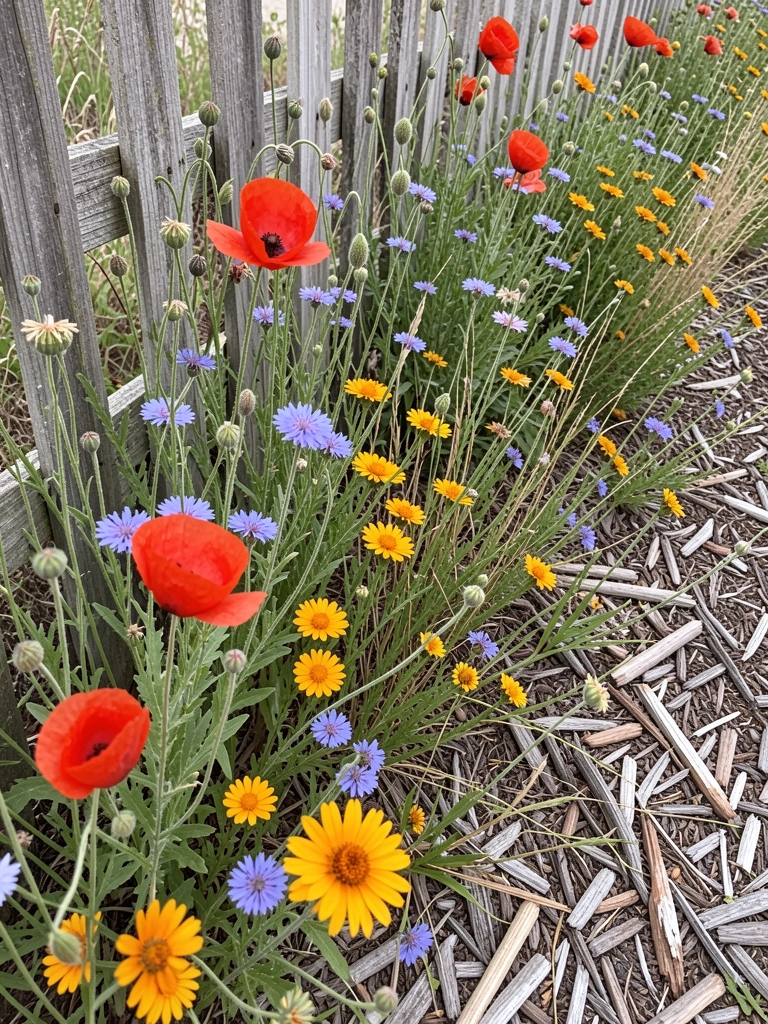
I planted a wildflower mix along the back fence and it settled into a friendly mess. It’s forgiving: I sowed too thin at first, then overseeded. Now it fills gaps naturally. I cut back hard in late fall, leaving seedheads for winter interest. This is the easiest way to add color and wildlife with minimal fuss. Expect unevenness; that’s part of the charm.
What You’ll Need for This Look
- Wildflower seed mix (regional)
- Light mulch and rake for sowing
- Scythe or pruners for fall cutback
15. Tropical Feel Bed With Palms and Cannas
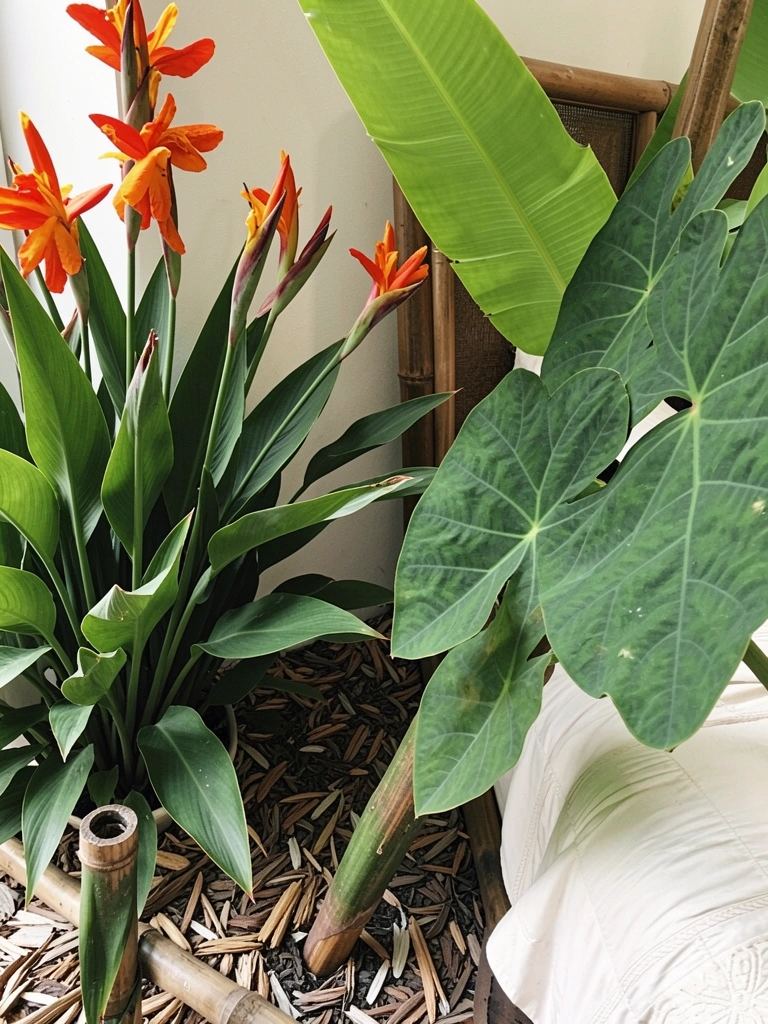
I wanted a summer vacation vibe, so I planted bold-leaf canna and colocasia near the patio. They create instant drama—even on a small scale. I had to protect tender stems in cool nights and learned to lift bulbs in hard winters. If you have a warm corner or move containers in winter, this look gives big payoff for a few dramatic pieces.
What You’ll Need for This Look
- Canna lilies and colocasia (large foliage)
- Dwarf banana (if space allows)
- Heavy mulch or frost protection covers for colder zones
16. Cottage Corner With Old Roses (and what went wrong)
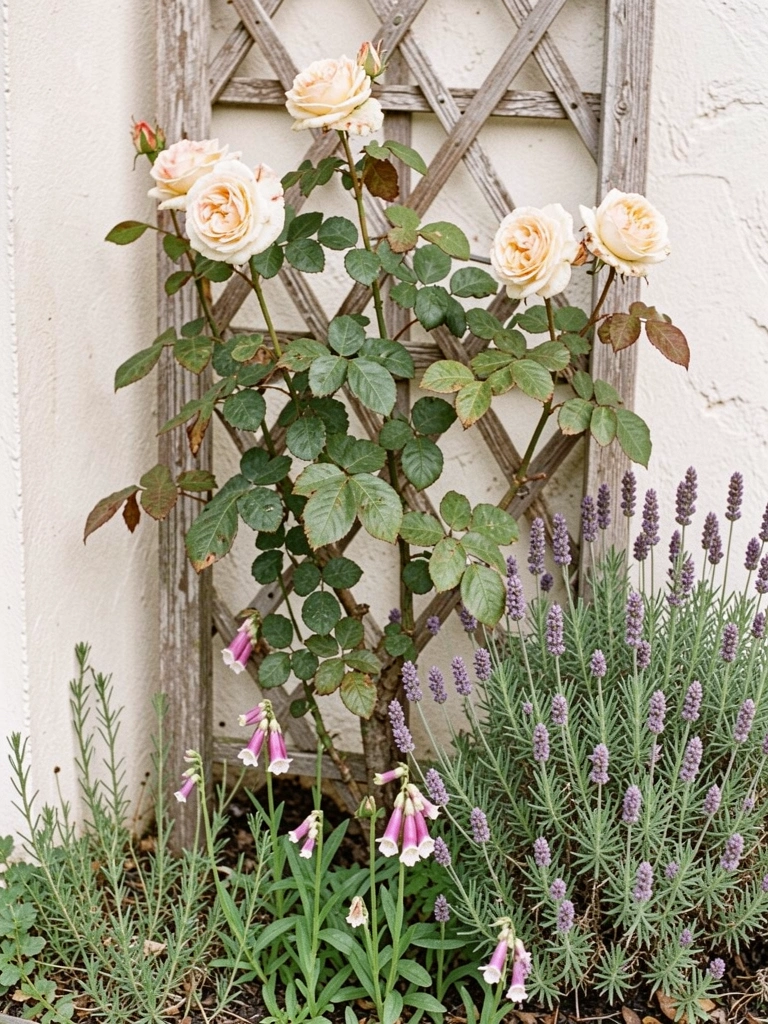
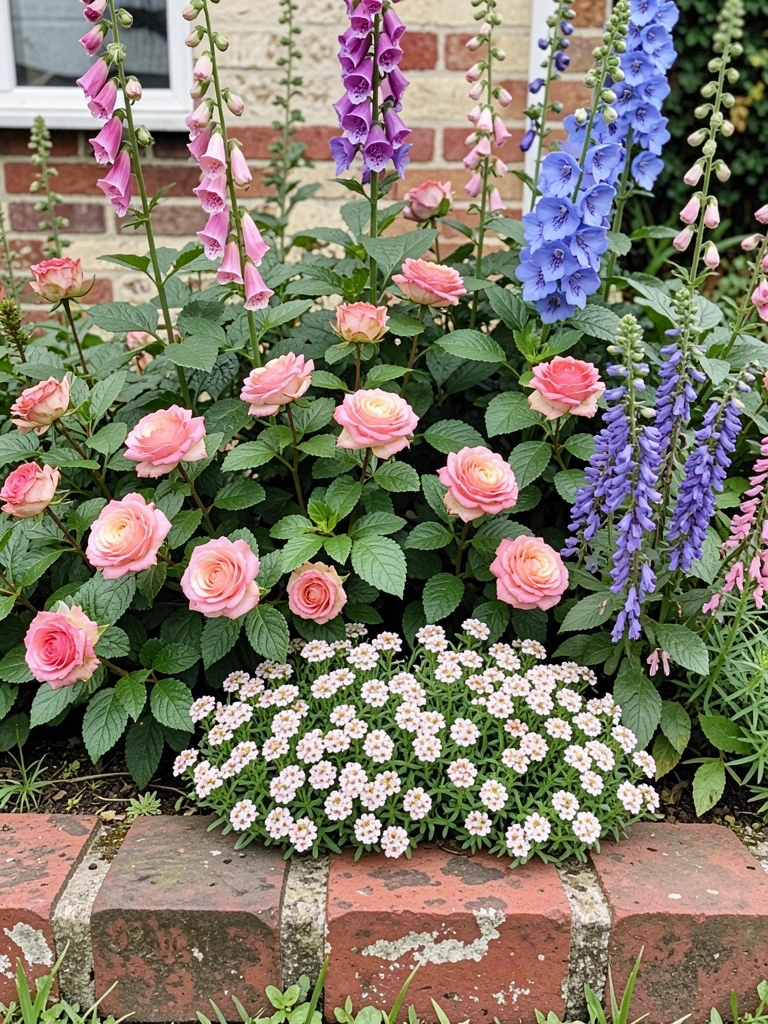
I planted an old rose to anchor a tiny corner and celebrated too early. I hadn’t realized how much pruning it needed. It got leggy and sparse. After learning a simpler pruning routine, it settled into a steady bloom cycle. Pairing roses with forgiving lavenders and foxgloves hides patchy years. This is a slow-build look but very satisfying once established.
What You’ll Need for This Look
- Old rose bush (single)
- Lavender (shrub)
- Foxglove seed or seedlings
- Small trellis and hand pruners
17. Pop-Up Seasonal Bed With Swappable Plants
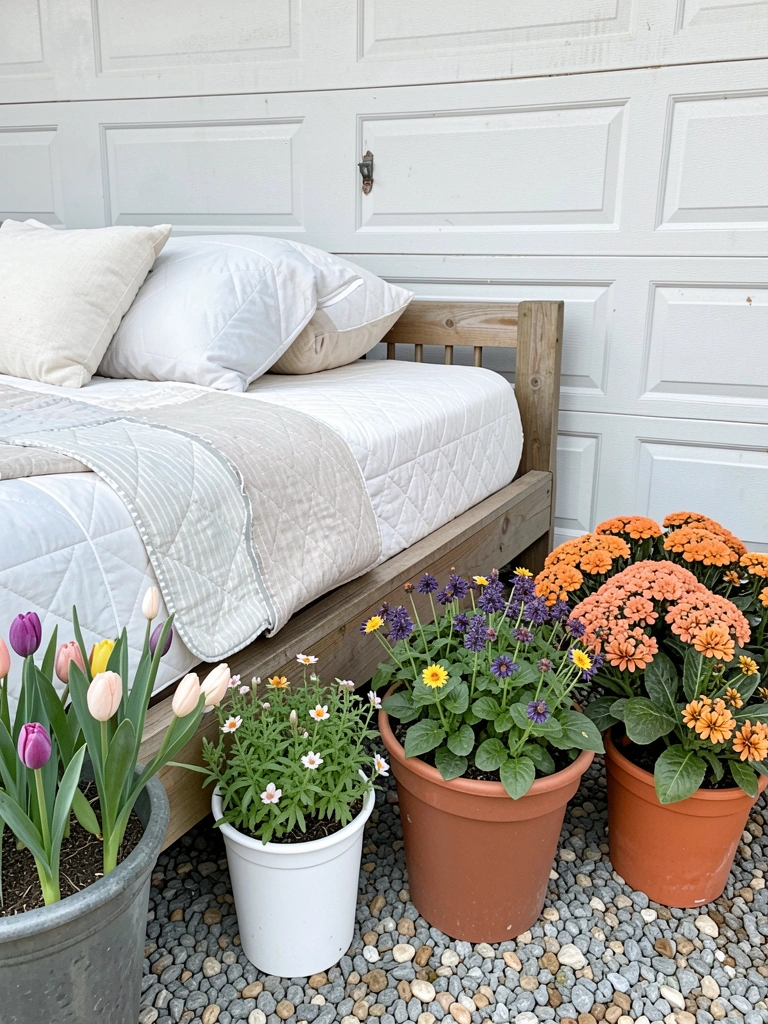
I use this approach where I want variety but limited commitment. The bed has permanent structure (edging and a few perennials) and swaps seasonal pots each month. It keeps the yard fresh and lets me experiment without replanting the whole bed. I keep a few go-to pots for each season to simplify shopping trips.
What You’ll Need for This Look
- Swap-able pots (10–14 inch)
- Seasonal plant list (bulbs, annuals, mums)
- Raised edging and pot trays
18. Compact Rock Garden With Alpine Flowers
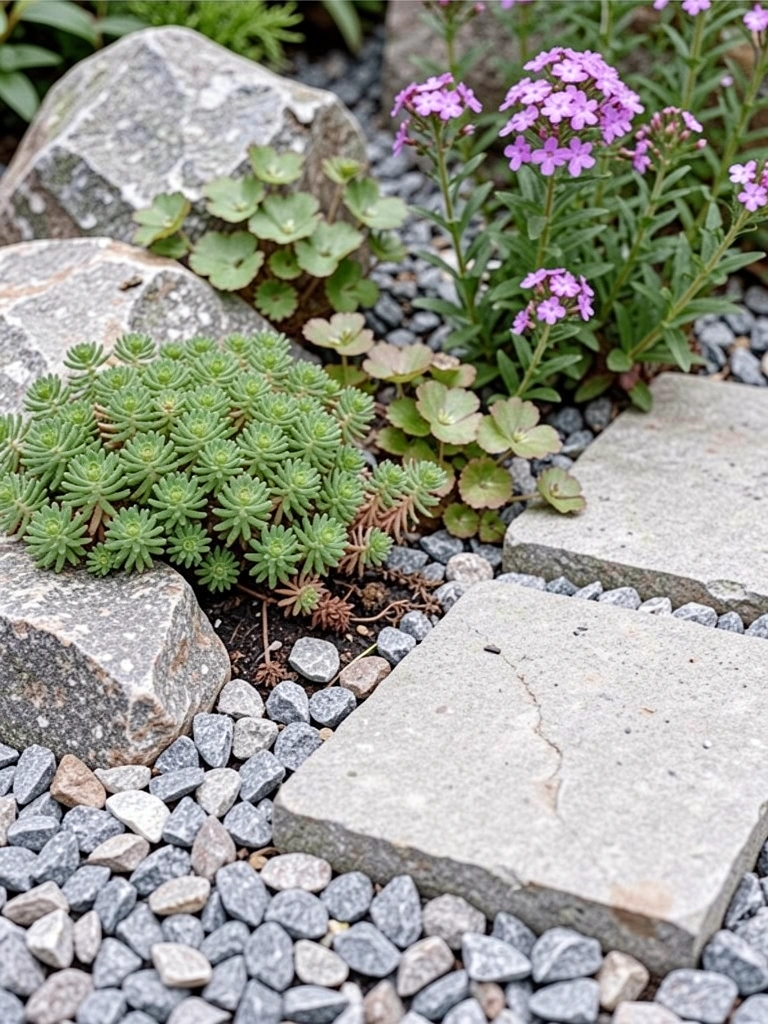
I carved a sunny slope and added rock outcrops for a low-growing show. Alpine plants like sedum and phlox hug stones and bloom early. I over-watered early on and lost a few; now I keep it lean and fast-draining. Rock gardens are forgiving of small spaces and bring a clear, tidy texture to the yard.
What You’ll Need for This Look
- Sedum and alpine phlox
- Saxifraga or cushion plants
- Crushed granite mulch and flat stepping stones
19. Edible-Flower Bed For Kitchen Use
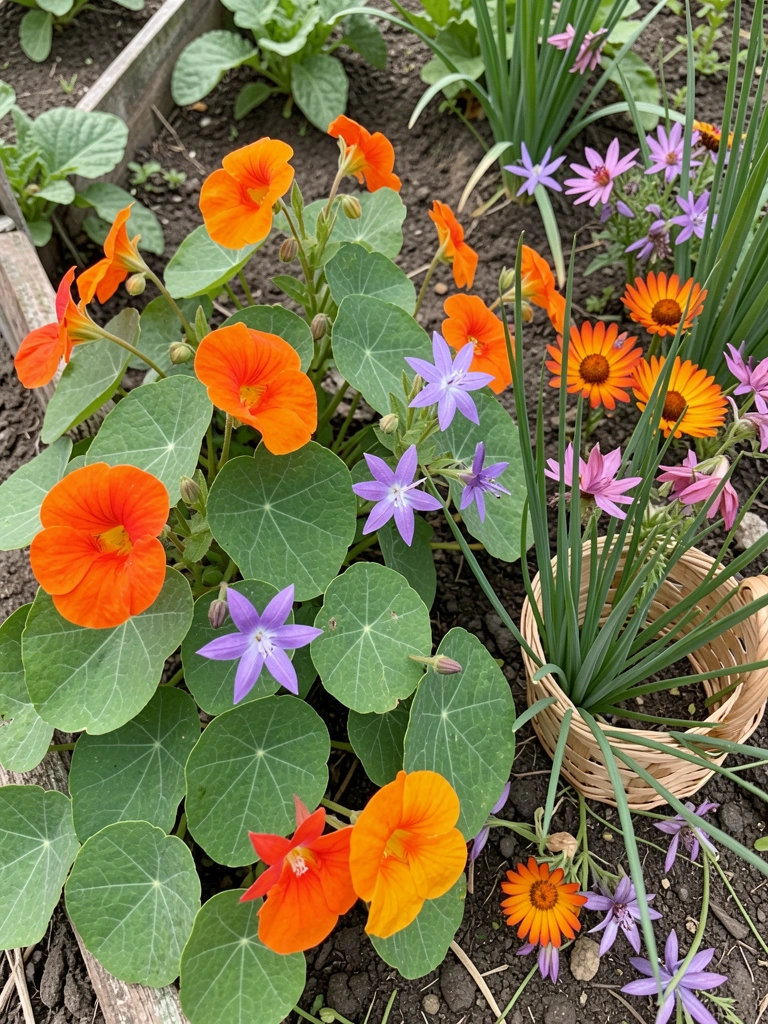
I planted edible flowers between herbs and vegetables and started tossing them into salads. Nasturtiums trail and block pests, while borage adds blue pops and attracts pollinators. I did over-sow once; the nasturtiums took over. Now I plant in measured clumps and rotate. This bed is both useful and pretty—good for small yards.
What You’ll Need for This Look
- Nasturtiums, borage, calendula
- Chives (flowering)
- Small hand fork and garden labels
20. Formal Curved Bed With Repeating Color Blocks
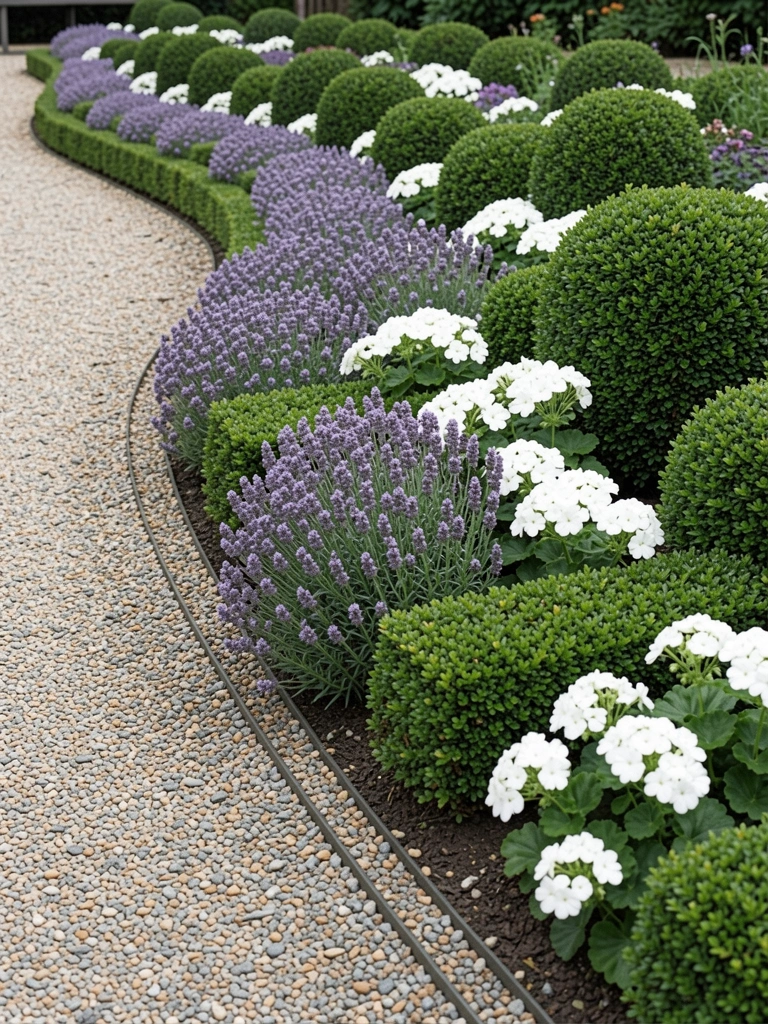
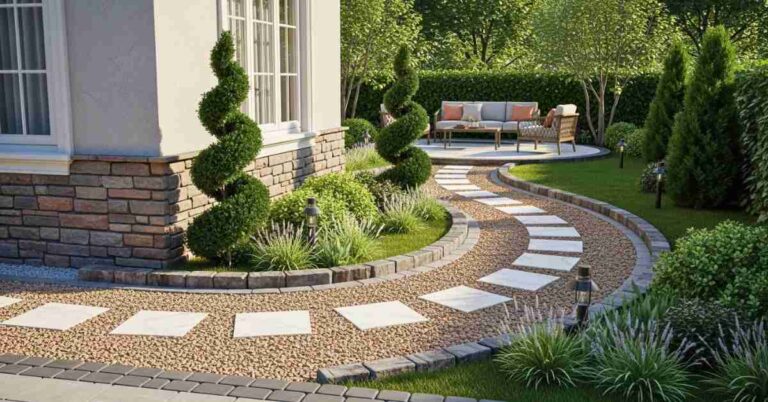
I made a curved bed with repeating color blocks to calm a busy yard. Repetition gives order: lavender, white geraniums, and small boxwood anchors. It looks tidy from the street and is surprisingly forgiving if a plant drops out. I prune boxwood lightly and replace annuals each year. This is a comfortable, intentional look that reads well at any size.
What You’ll Need for This Look
- Lavender and white geraniums
- Small boxwood (2–3 foot)
- Gravel path and sharp edging tool
Final Thoughts
You don’t need all twenty ideas. Pick one that fits your time and light.
Start small. Learn what your soil and seasons do.
Gardens improve with mistakes. That’s how mine did. You’ll get there.