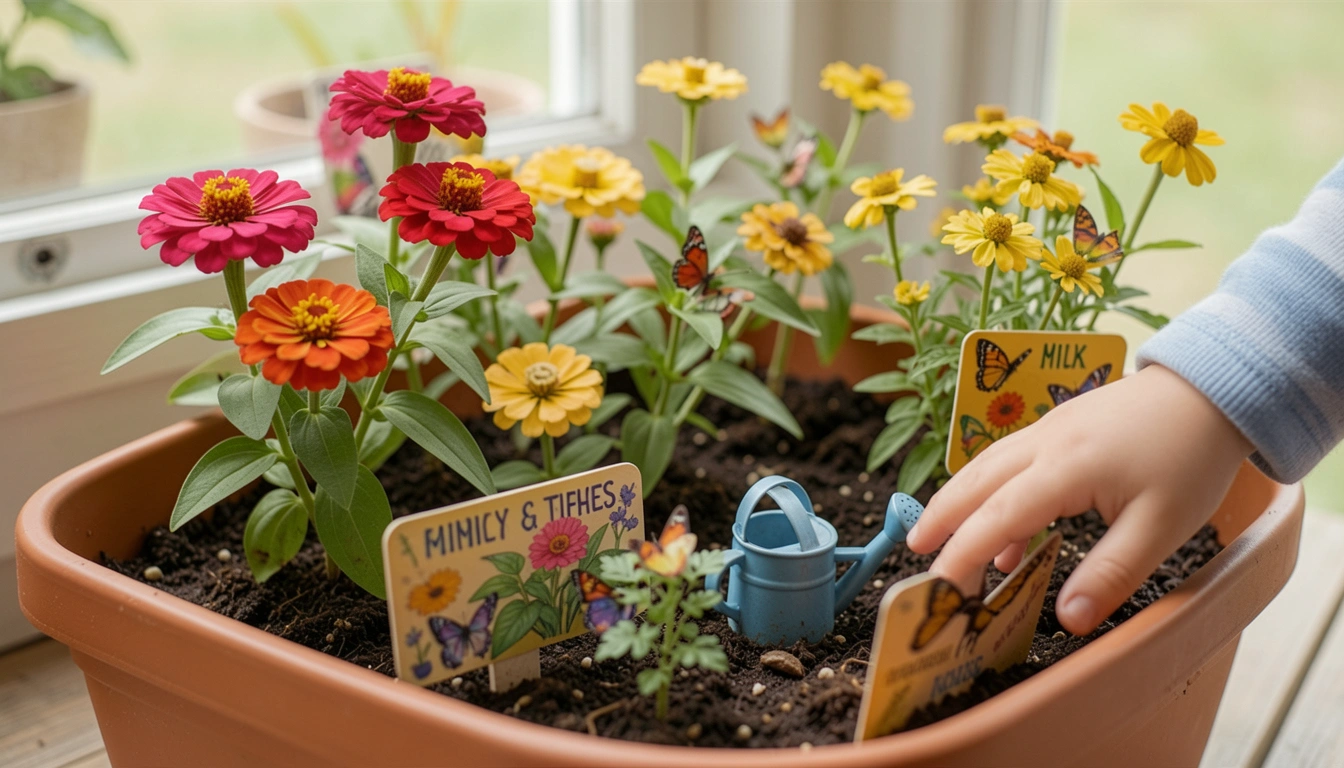
8 Fun Butterfly Garden Ideas For Kids
I learned butterflies by making mistakes.
Kids ripped labels and overwatered seedlings at first.
Plants shaded each other until I grouped by height. That changed everything.
These 8 butterfly garden ideas for kids are simple. They fit small yards, balconies, and containers. I’ll keep the steps honest and doable.
8 Fun Butterfly Garden Ideas For Kids
These 8 ideas are kid-tested, easy, and budget-friendly. I show clear plant choices, simple crafts, and layout tips to start today.
1. Layered Container Planting That Makes a Patio Feel Full
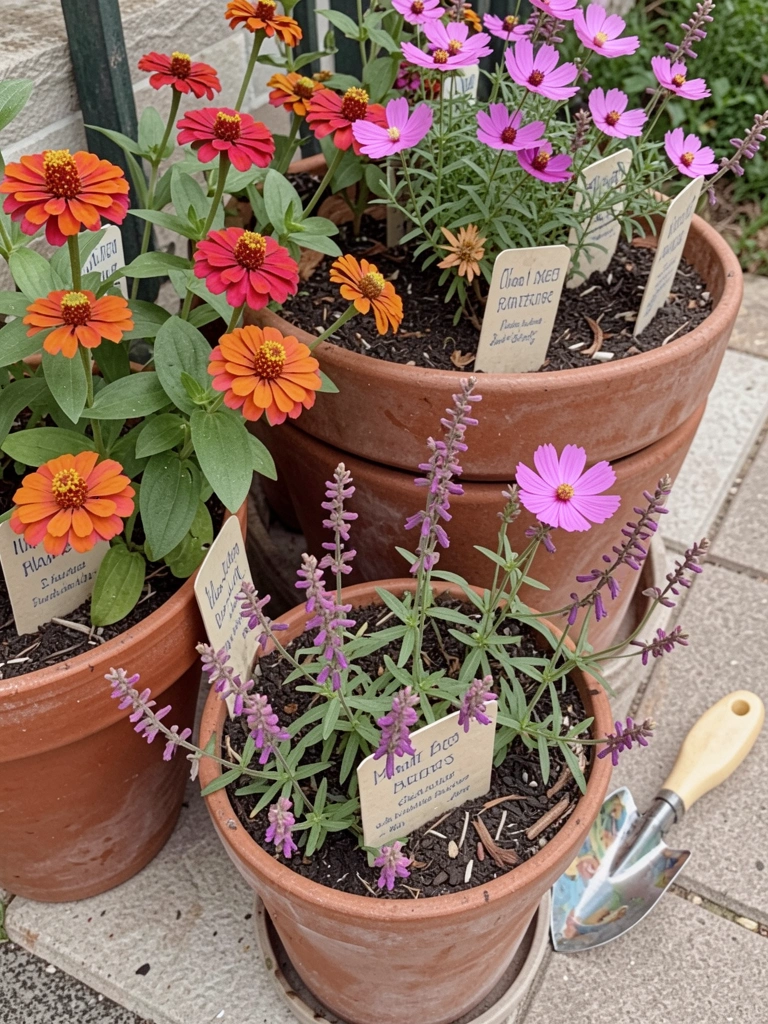
I started with three mixed containers on my patio. Zinnias, salvia and tall cosmos sat in one terracotta pot. Kids loved leaning over and watching butterflies land. The layered heights gave them places to rest and us places to tuck little markers.
It looked fuller within weeks. The trick was planting a tall back, a mid layer and low fillers. At first I crowded too many seedlings and they sulked. I learned space matters.
Pay attention to watering. Clay pots dry fast.
What You’ll Need for This Look
- Terracotta planter set (12 inch)
- Zinnia, salvia, cosmos seedlings
- Potting mix, slow-release fertilizer
- Plant labels, kid-sized trowel
- Small watering can, shallow saucer
2. Sunny Native Meadow Patch for Little Explorers
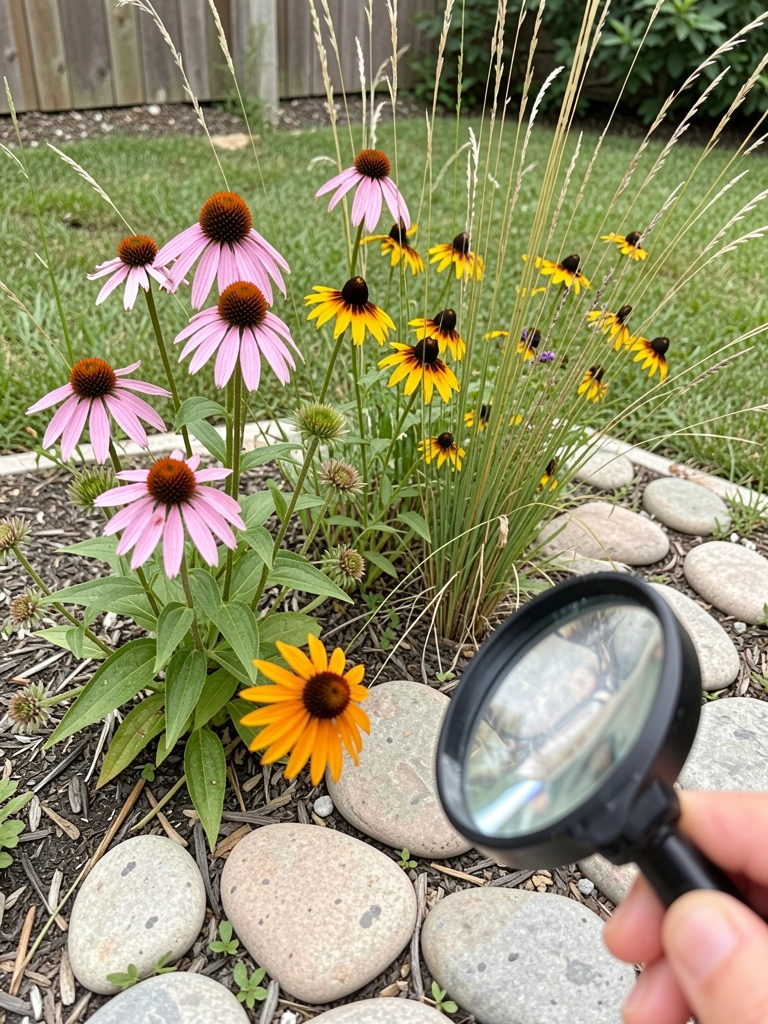
I carved a sunny corner and let natives do much of the work. Coneflower, black-eyed Susan and native grasses are tough and draw both butterflies and caterpillars. Kids run a narrow path and crouch to count species. The area felt wild but intentional.
At first I underestimated soil prep and weeds took over. I pulled endless bindweed the first year. After one season of mulch and patience, the patch settled into a steady show.
This is low-maintenance once established. Let kids help plant clumps.
What You’ll Need for This Look
- Native wildflower seed mix (local)
- Shovel and rake, organic mulch
- Garden hand tools for kids
- Flat stepping stones
3. Milkweed Corner Just for Monarchs
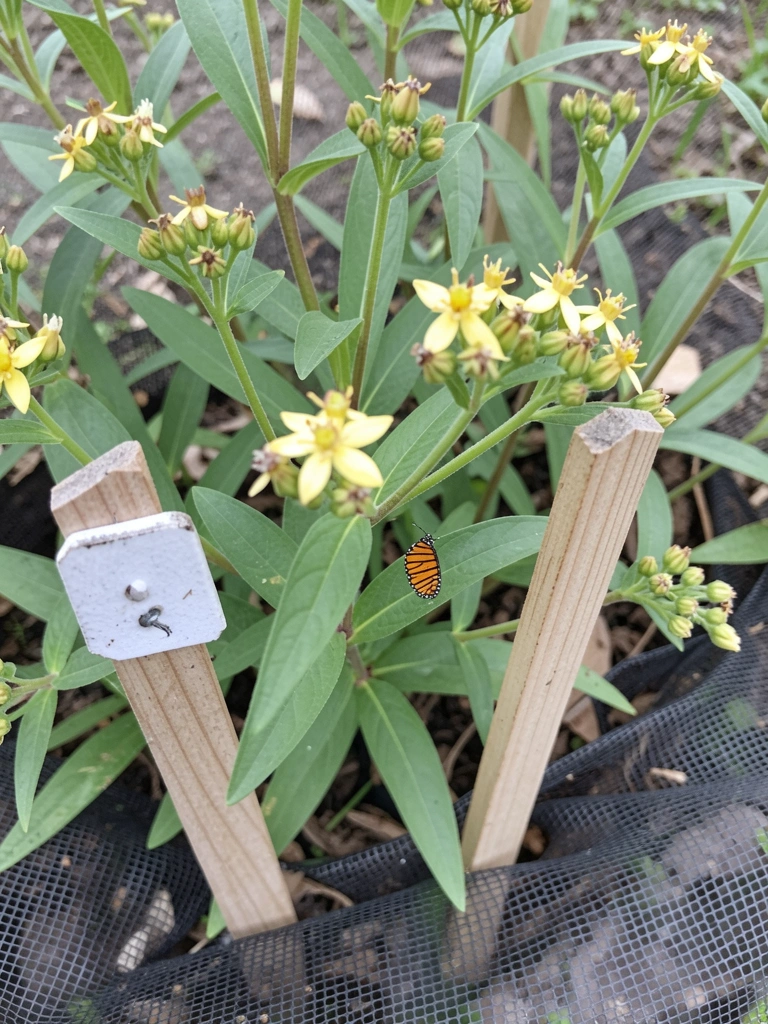
I dedicated a dedicated strip to milkweed and watched monarchs find it within weeks. The kids loved spotting caterpillars munching leaves. It’s a quiet corner where we check daily for chrysalis. Having a single-species patch made monarch life cycles obvious to little eyes.
I learned to choose the right milkweed for my region. Tropical milkweed can hold disease in some places, so I swapped varieties. Keep the bed tidy and avoid pesticides.
Expect mess from chewed leaves. That’s a good sign.
What You’ll Need for This Look
- Native milkweed seedlings (region-specific)
- Small garden stakes, labels
- Mesh cover for young plants
- Hand pruners
4. Mud Puddle Station for Close-Up Lessons
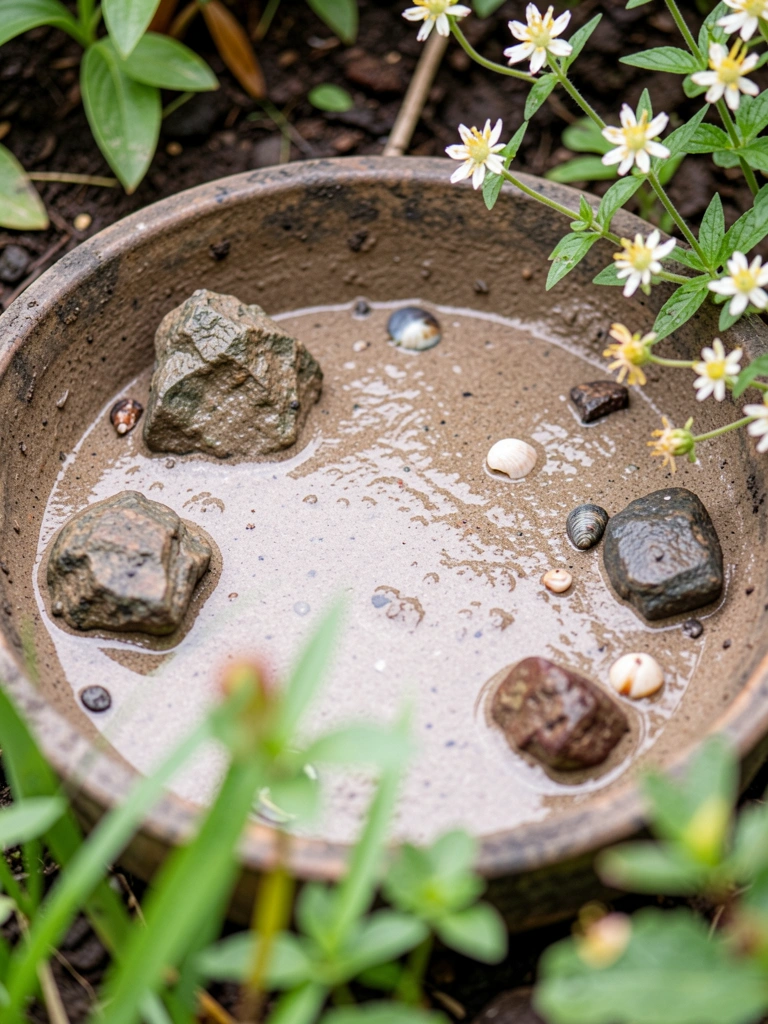
I made a shallow mud puddle on a flat stone and butterflies started gathering within days. They drink minerals and it’s easy for kids to observe without disturbing them. We use small rocks and shells so there are places for butterflies to perch. It turns a thirsty summer day into a lesson.
I once used a plastic bowl that blew away. Now I anchor a shallow saucer and refresh with water. Keep it slightly muddy, not dirty, and move gently if needed.
It’s simple and mesmerizing for little observers.
What You’ll Need for This Look
- Shallow saucer or saucer-style bird bath
- Fine sand or loam
- Small flat rocks and shells
- Small scoop or cup for refilling
5. Butterfly House and Observation Station
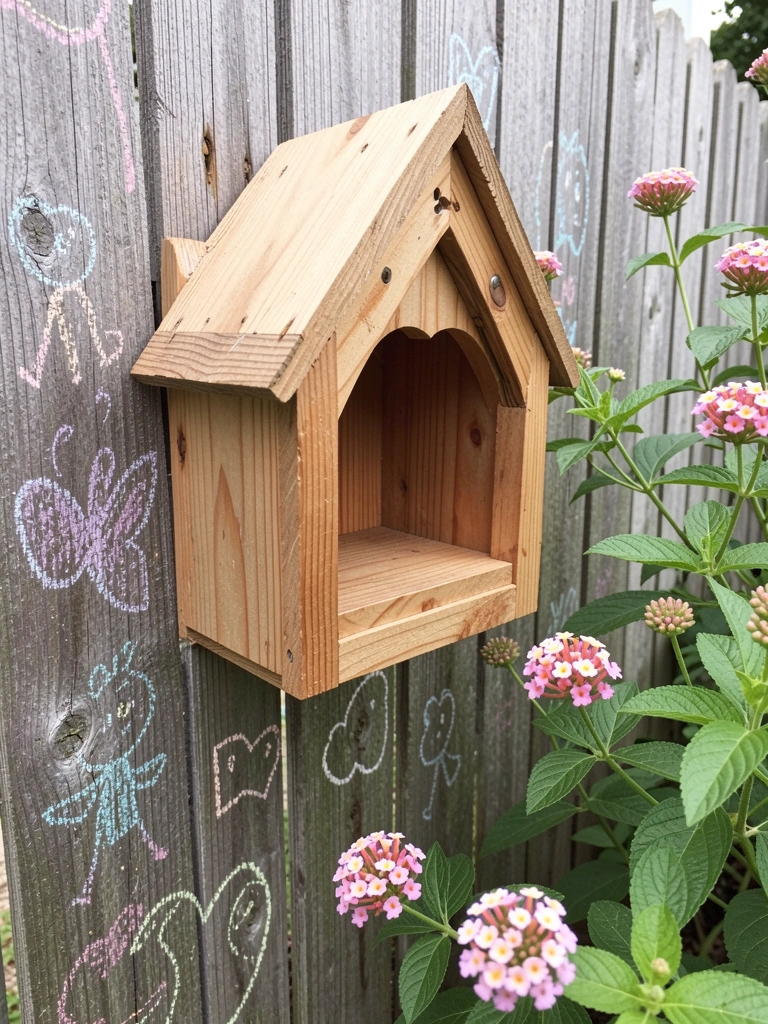
I hung a simple butterfly house and added a bench for kids. They sit, whisper, and wait. The house gives a focal point and makes the garden feel like a little lab. We tape a simple observation sheet to a clipboard and tick off visitors.
I used a decorative house at first and it didn’t offer shelter. I replaced it with a proper vented design. Not all houses work, so choose one with open slats and natural materials.
Pair it with a bench and small clipboard for notes.
What You’ll Need for This Look
- Vented wooden butterfly house
- Small garden bench or stool
- Clipboard and observation sheets
- Nearby nectar plants (lantana, zinnia)
6. Scent Trail: Herbs and Fragrant Pathway
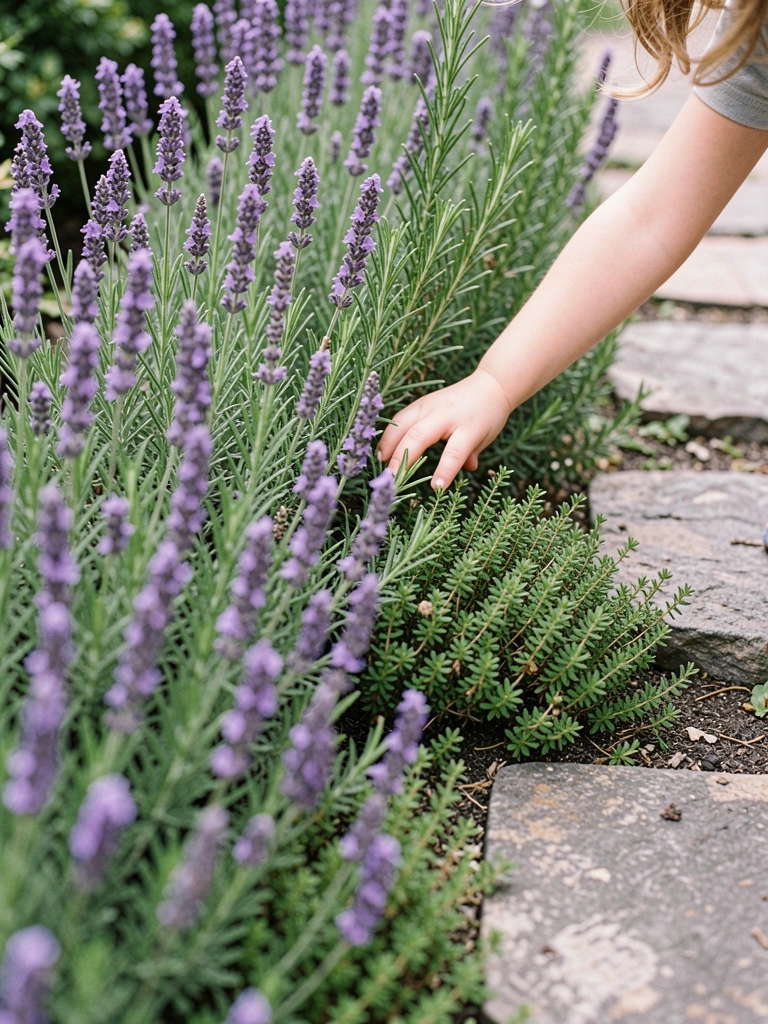
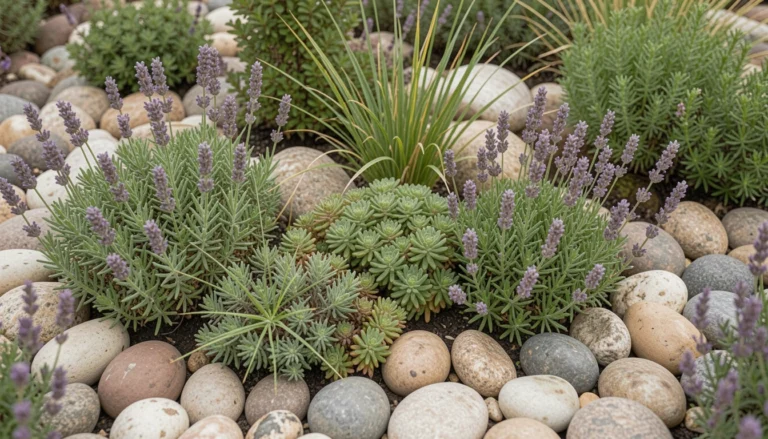
I laid a narrow scent trail along the backyard path. Lavender, rosemary and thyme scent the air and attract butterflies and hover visitors. Kids love brushing leaves and sniffing as they move from plant to plant. It makes a simple stroll into a sensory game.
The trail also defines a route and keeps kids from trampling other beds. Keep herbs pruned so pathways stay open. The strong scent helps mask any early garden smells.
This is easy to plant in a strip or container line.
What You’ll Need for This Look
- Lavender, rosemary, thyme plants
- Narrow edging or low border stones
- Pruners, small hand rake
- Pathway stepping stones
7. Colorful Nectar Border With Tiered Heights
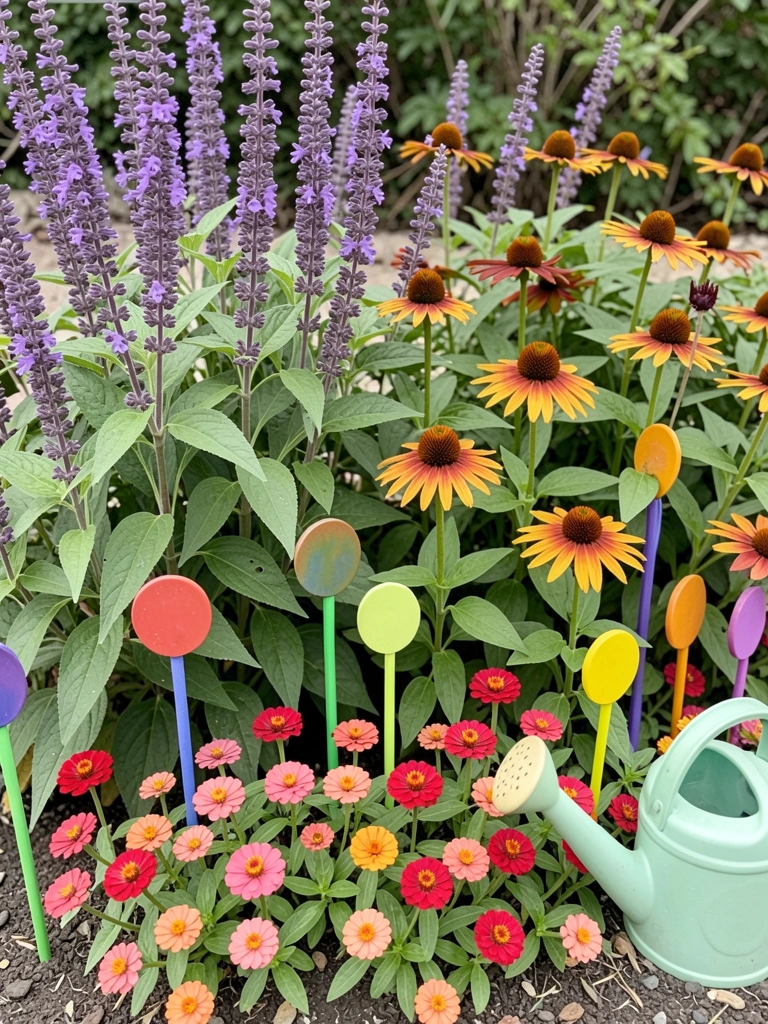
I built a long border with tiered heights: tall salvias in back, coneflowers mid, and low zinnias front. The variety of blooms kept butterflies moving and kids excited to check different levels. It became our daily color chart to see which flower had the most landings.
I once planted only tall varieties and lost the low visitors. Mixing heights fixed that. Deadhead spent blooms to keep nectar coming and show kids how gardens need simple upkeep.
This border reads like a butterfly highway.
What You’ll Need for This Look
- Salvia, coneflower, zinnia seedlings
- Raised bed edging or soil mounds
- Hand pruners, deadheading snips
- Colorful plant stakes
8. Mini Garden in a Wagon Kids Can Move
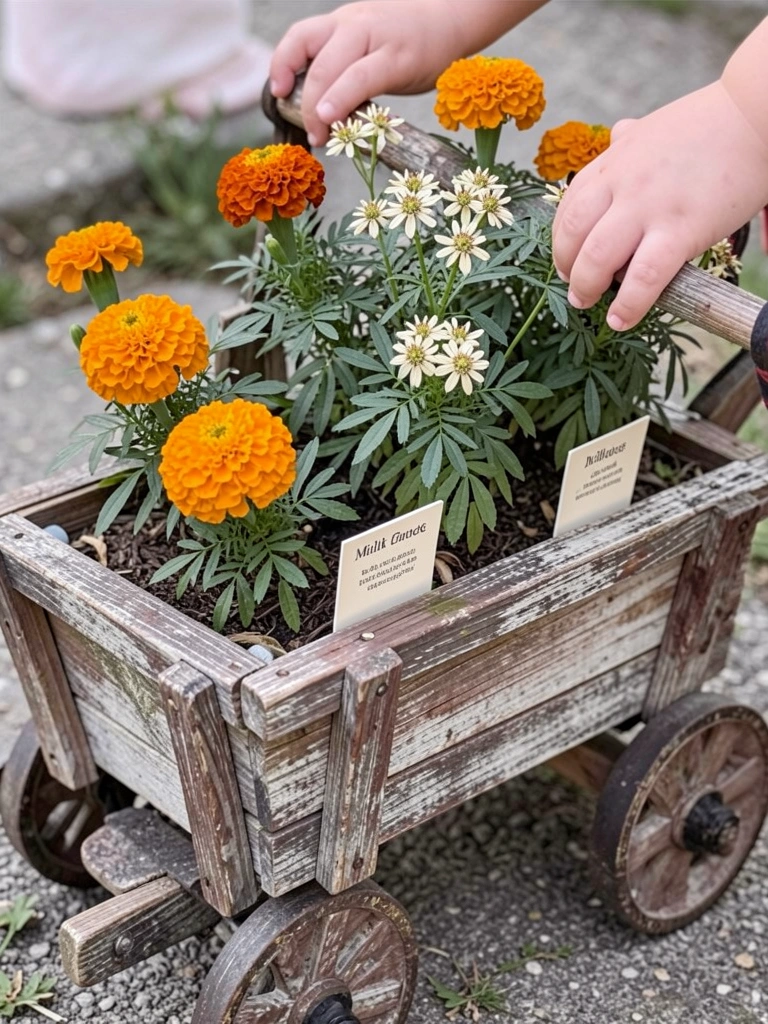
I converted an old wagon into a mobile butterfly garden. Kids pull it to a sunny spot, then watch which flowers work best. It makes experiments easy: move the wagon and see if butterflies follow. The portability kept us experimenting with shade and sun spots.
Early on I planted too many thirsty plants in cramped soil and they struggled. Now I use lighter mixes and fewer plants. The wagon is a great way to teach light, water and plant needs.
Add a small shade cloth for hot afternoons.
What You’ll Need for This Look
- Small wooden or metal wagon planter
- Lightweight potting mix, drainage material
- Marigold, small milkweed, zinnia seedlings
- Kid-sized handle wrap, shade cloth
Final Thoughts
You don’t need to do all eight ideas. Start small.
Pick one that fits your space and your kids’ curiosity. Small steps, steady care, and short experiments keep gardening fun.