13 Backyard Fire Pit Pavers Ideas For A Durable Finish
I finally stopped treating my fire pit like a decorating problem. I wanted something that lasts and feels like the rest of the yard.
I learned by burning cheap mortar and redoing sections. Now I pick materials that don’t split in our freeze-thaw winters.
These ideas are worked-through, practical options I’ve built or fixed. Pick one and adapt it to your space.
13 Backyard Fire Pit Pavers Ideas For A Durable Finish
These 13 ideas cover simple to built-up paver treatments you can actually install or hire for.
I tested them in real yards.
Expect clear, usable options — all 13 included below.
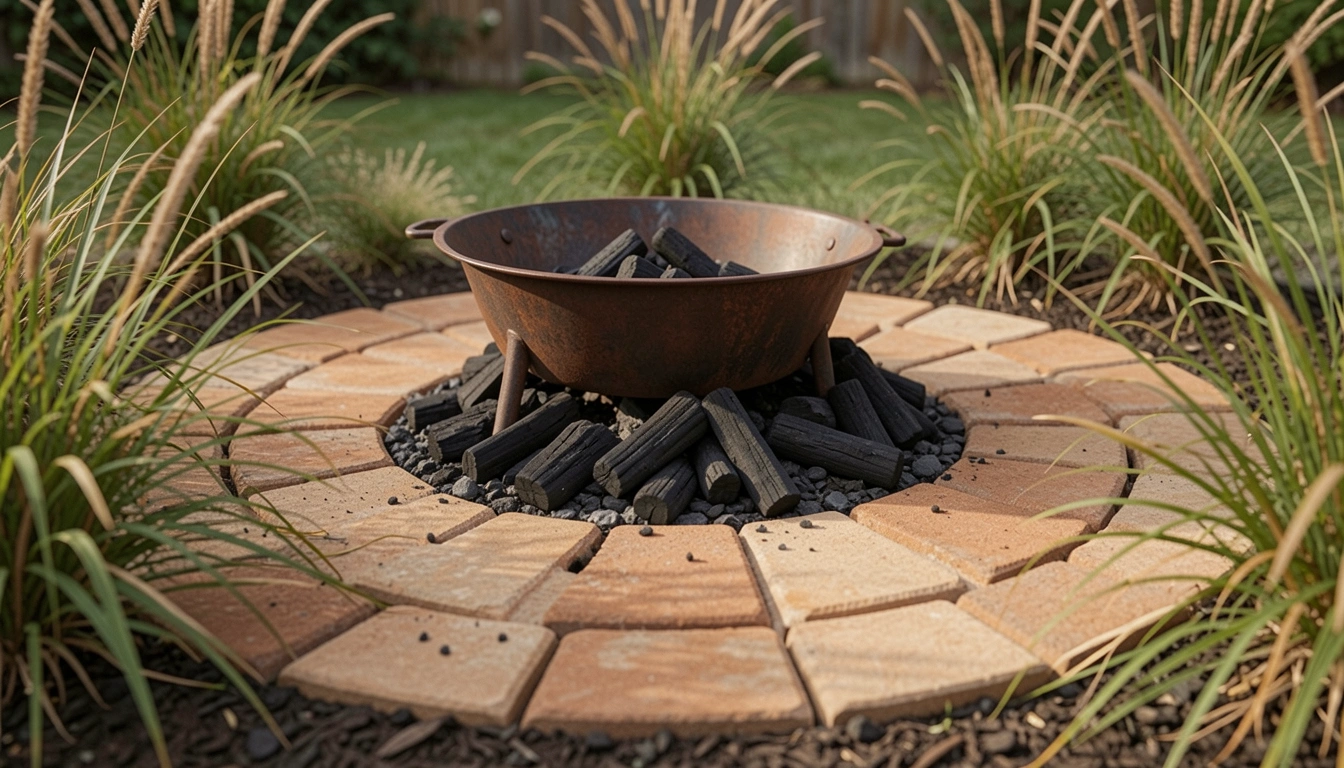
1. Circular Cobblestone Ring That Ages Well
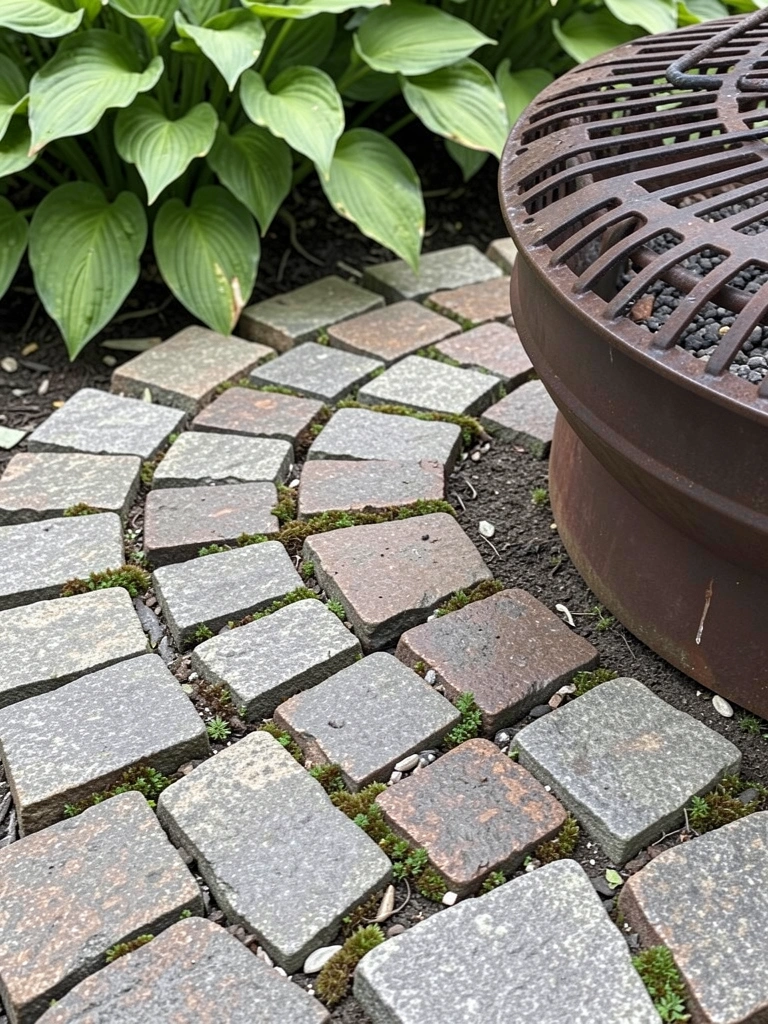
I installed a cobblestone ring because I wanted something that hides chips and stains.
The uneven edges make the pit read as part of the garden, not a stage set.
I messed up the first time by not compacting the base enough; a few stones rocked. I redid the base with crushed stone and it’s been solid for years.
Watch joint spacing so water drains. Use a slightly sloped base for runoff.
What You’ll Need for This Look
- Cobblestone pavers (3–5 inch mixed sizes)
- Crushed stone base (3/4 inch)
- Polymeric sand, gray
2. Herringbone Brick Patio Around the Pit

I picked herringbone to stop bricks from shifting underfoot. The interlock is surprisingly stable.
It visually tightens a long, narrow yard and feels clean.
My first batch of salvaged bricks had brittle edges; I learned to inspect for frost damage before buying. New bricks last longer but cost more.
Seal the bricks if you want easier cleanup after ash.
What You’ll Need for This Look
- Brick pavers, red (4×8 inch)
- Sand screed and plate compactor
- Brick sealer, matte
3. Large Format Concrete Slabs for a Modern Look
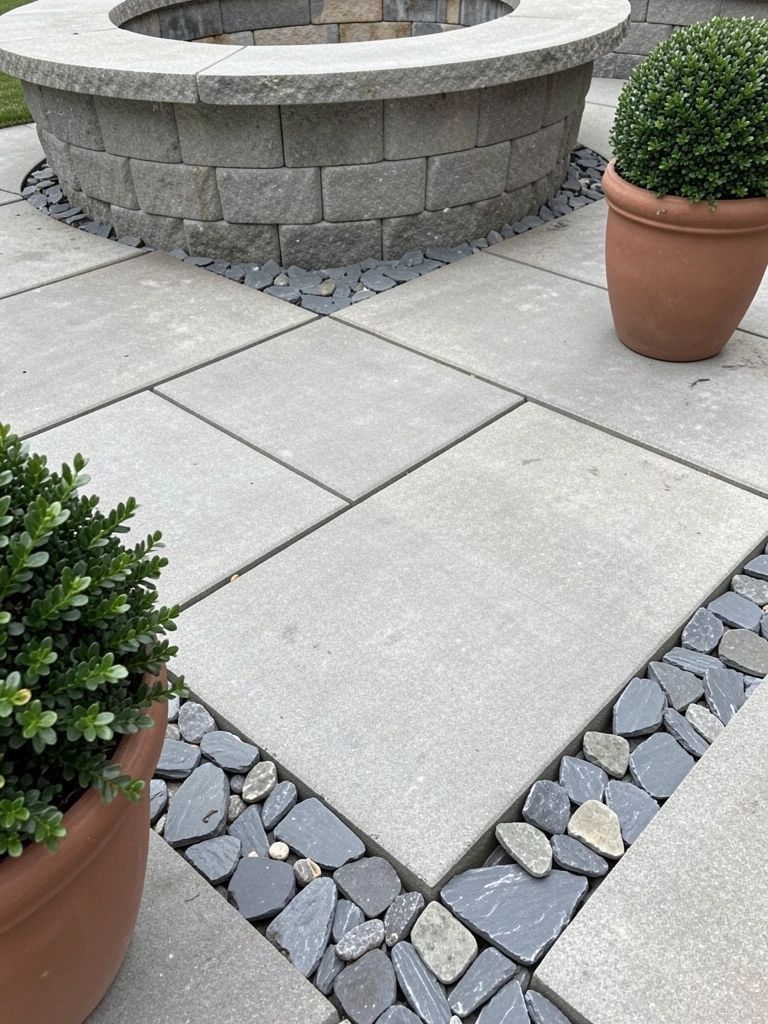
I used 24-inch concrete slabs where I wanted a modern, low-maintenance base.
They’re forgiving if your lawn slopes a bit — cut one slab rather than fuss with tiny pieces.
I underestimated weight and needed a helper to set one slab. If you’re alone, order lighter precast or get delivery help.
Leave 1/4-inch gaps and fill with pea gravel or polymeric sand to prevent weeds.
What You’ll Need for This Look
- Large concrete pavers (24×24 inch)
- Pea gravel for joints, light gray
- Rubber mallet and level
4. Mixed-Stone Mosaic for Rustic Character
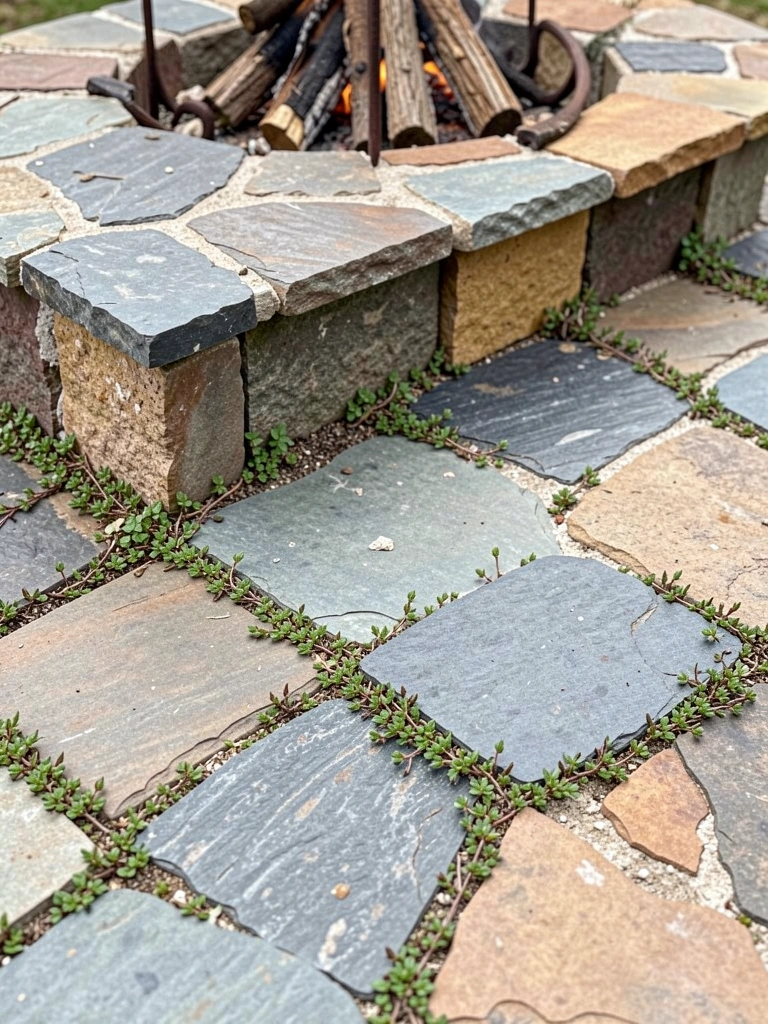
I laid a mixed-stone mosaic where the yard felt old and layered.
The random shapes hide chips and give a hand-built vibe. It feels like it’s been there forever.
My mistake was cutting stones without marking—they looked off-center. Now I lay out pieces dry first, then cut sparingly.
Use a wet saw for clean edges and pack joints with sand mixed with soil for plants to root.
What You’ll Need for This Look
- Flagstone, bluestone, sandstone mix
- Wet saw rental
- Jointing sand mixed with topsoil
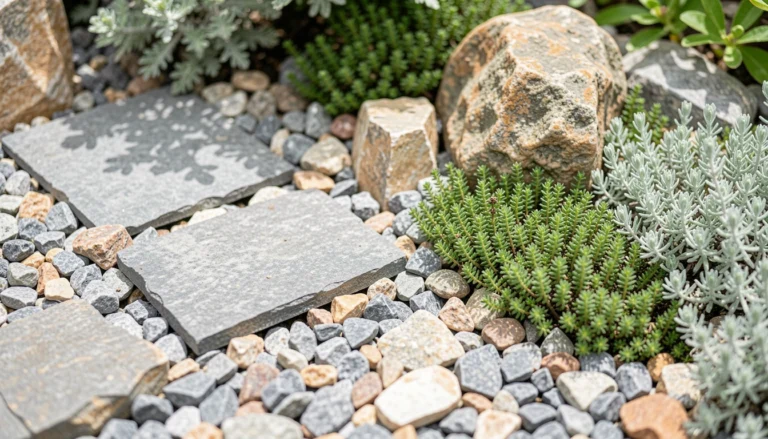
5. Gravel Base with Paver Stepping Islands

I used gravel and stepping pavers in a rental garden. It stayed budget-friendly and drains well.
The stepping islands give the area rhythm and let grass peek through without spreading into the gravel.
I learned the hard way to use landscape fabric under the gravel; weeds found their way otherwise. Now I use fabric plus a 2-inch compacted base.
Add a border edge to stop gravel from migrating into beds.
What You’ll Need for This Look
- Pea gravel, beige (3/8 inch)
- Square concrete stepping pavers (12×12 inch)
- Landscape fabric, heavy duty
6. Raised Paver Platform with Built-In Seating
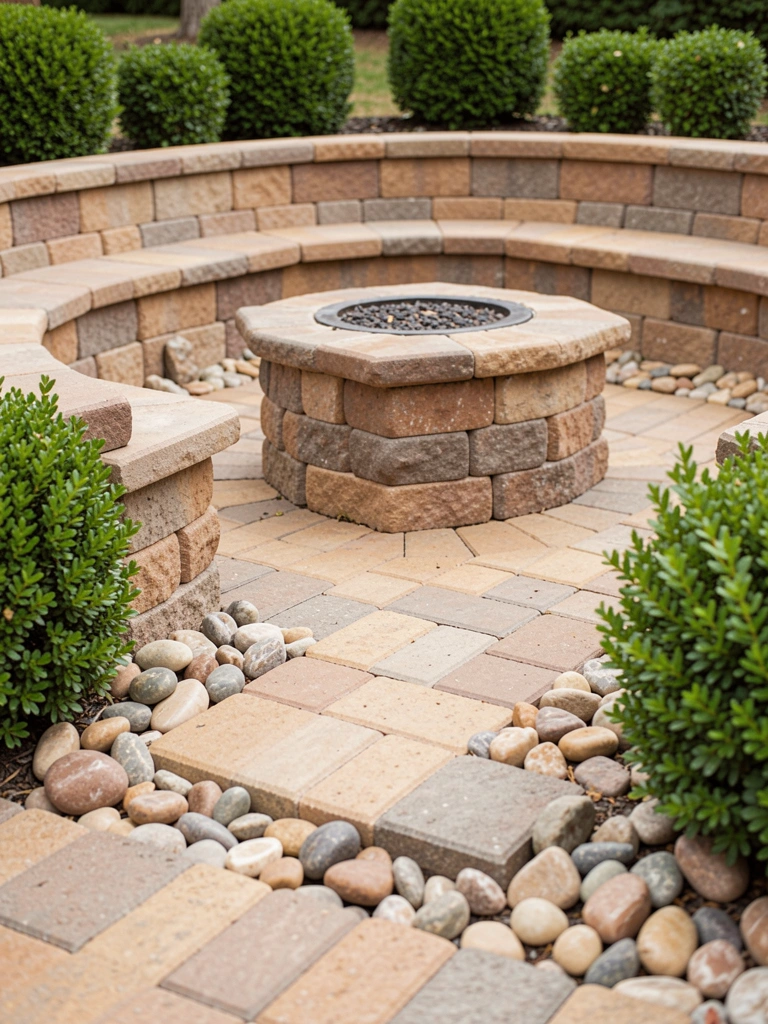
I built a raised platform to make the pit a destination. The bench lets guests sit without crowding the flame.
Using pavers for the bench face feels cohesive and holds up to rainy seasons.
I overbuilt the base at first; the platform sat higher than planned. If you want low seating, measure twice before stacking.
Include a few inches of gravel under the platform so water doesn’t pool.
What You’ll Need for This Look
- Concrete pavers for platform (16×16 inch)
- Full-depth retaining block for bench face
- Gravel base, 4 inches
7. Reclaimed Brick Circle for a Vintage Feel
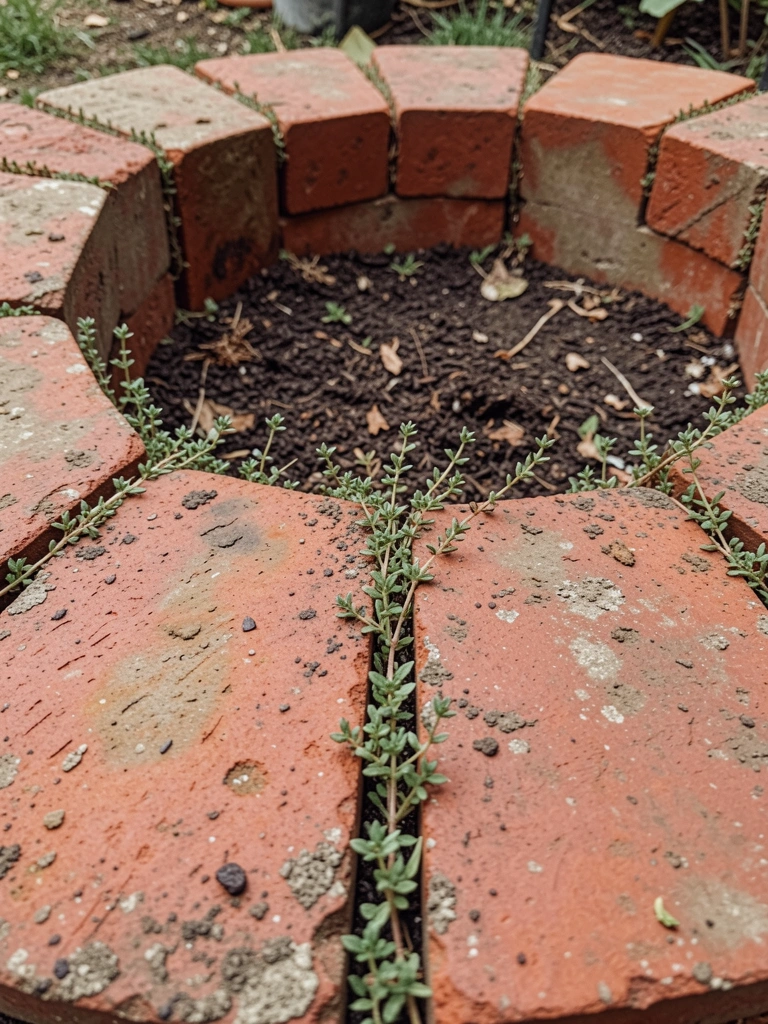
I love reclaimed bricks for their patina. They make new yards feel older and calm.
The aged surface hides scorch marks and attracts moss in shaded spots.
I bought a pallet without checking thickness once; some bricks crumbled under pressure. Now I tap-test bricks and pass on crumbly ones.
Pair with low thyme in joints to soften the look and add scent.
What You’ll Need for This Look
- Reclaimed brick pavers, 4×8 inch
- Crushed stone base, 3/4 inch
- Creeping thyme plugs for joints
8. Slate Tiles with Contrasting Gravel Border

I used slate where I wanted contrast with my pale house. Slate looks neat and cool underfoot.
The light gravel border frames the slate and hides any irregular cuts.
I learned slate can flake; pick thicker tiles or check for lamination. Thinner slate cracked on me in the first winter.
Seal the slate with a natural-looking sealer to keep stains from spoiling the clean look.
What You’ll Need for This Look
- Slate pavers, 12×12 inch, 3/4 inch thick
- Light-colored decorative gravel (1/2 inch)
- Slate sealer, natural finish
9. Permeable Paver Grid with Grass Infill

I wanted green right up to the fire pit. The paver grid lets grass grow inside the cells and handle foot traffic.
It feels softer and cooler in summer than all-stone surfaces.
I overwatered early and compacted the grass. It took patience to get a solid turf. Now I water lightly and avoid heavy tools on it.
Use a durable grid and choose a hardy turf mix for high-use areas.
What You’ll Need for This Look
- Permeable paver grid cells, black
- Grass turf mix (sun/hardwear blend)
- Crushed stone infill for grid base
10. Lava Rock Accent Insets for Heat Resistance
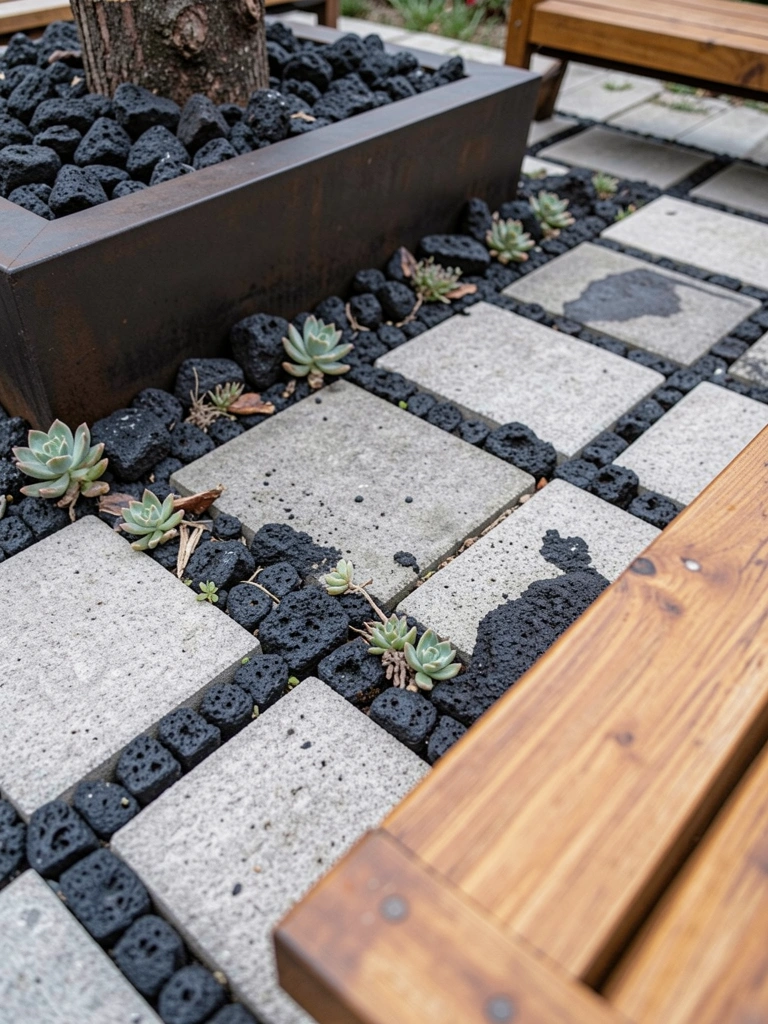
I used lava rock insets where embers sometimes popped out. It’s heat-resistant and masks ash.
The texture is dramatic next to smooth pavers and drains well after rain.
I once used tiny lava chips that shifted with foot traffic; larger chunks are more stable. Choose the right size for walking comfort.
Mix lava rock with a border paver to keep it contained.
What You’ll Need for This Look
- Lava rock (1–2 inch pieces)
- Square pavers (8×8 inch)
- Metal or stone border edging
11. Poured Concrete Pavers with Embedded Stones
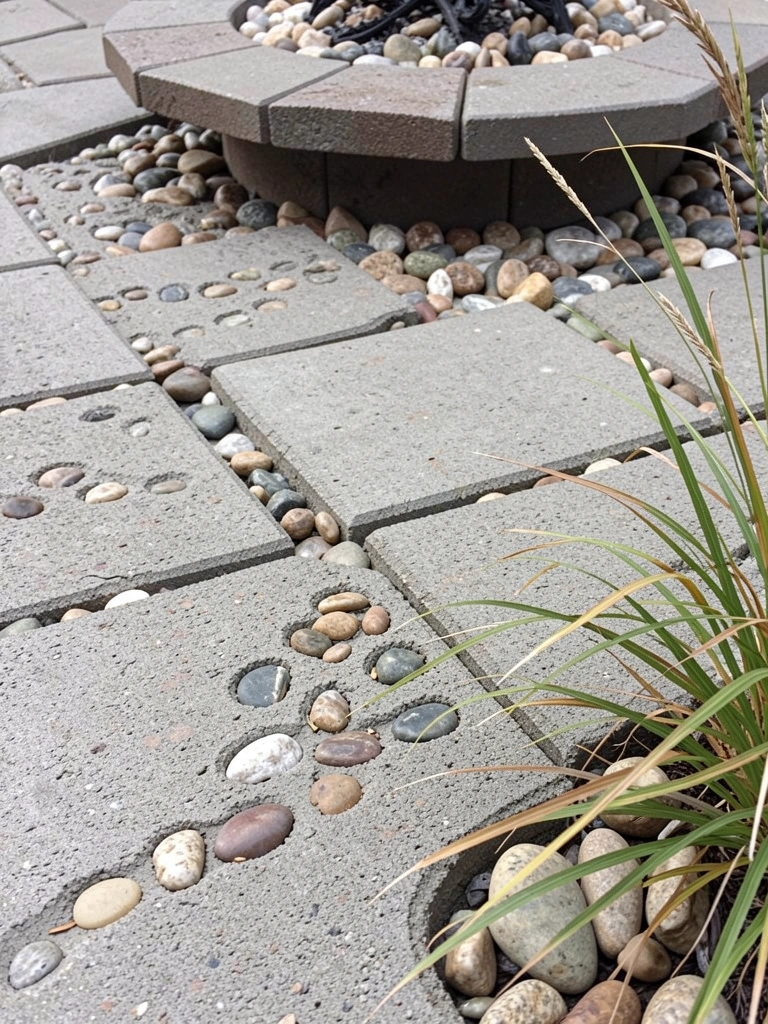
I poured custom pavers and embedded river stones to get a one-off look without matching natural slabs.
They feel smooth and intentional. Small stones make the surface interesting and hide soot.
My first mix was too wet and bled stones to the surface. I adjusted the mix and got a firmer finish. If you pour, test a small slab first.
Use a concrete sealer to keep stains manageable.
What You’ll Need for This Look
- Concrete mix for pavers (fast-set)
- River stones (1–2 inch) for embedding
- Concrete sealer, matte
12. Slate-Stepped Radiating Pattern for Small Spaces

I had a tiny courtyard and used slim slate steps radiating from the pit.
The fan pattern makes a small area feel intentional, not cramped. It also channels ash away from seating.
I miscalculated the radius once and had to break a few tiles. Measure the arc before you cut. A cardboard template helped the second time.
Thin slate and narrow grout lines keep the scale right for small yards.
What You’ll Need for This Look
- Narrow slate pavers (6×12 inch)
- Cardboard for radius template
- Thin-set mortar for outdoor slate
13. Brick-Paver Fire Stage with Integrated Storage

I built a low brick stage with a recessed shelf for kindling. It keeps the area tidy and hands stay dry.
The shelf also protects wood from ground moisture. The whole thing reads like a single piece, not a collection.
I once left the storage open and it filled with debris. I added a simple slatted lid and that fixed it. Keep the shelf slightly raised from the base.
This setup makes evenings easier—everything is where I expect it.
What You’ll Need for This Look
- Brick pavers for platform and face
- Pressure-treated slatted cover or small wood lid
- Mortar for brickwork
Final Thoughts
You don’t need all 13 ideas. Pick one that fits how you live outside.
I built the durable solutions after a few false starts. That’s okay—those mistakes taught me what lasts.
Start small, use the lists above, and enjoy evenings by a fire that feels like home.