11 Simple Low Maintenance Garden Bed Ideas For Busy Homeowners
I finally stopped treating my garden like a hobby project.
I started building beds that survive missed weekends.
I chose plants and materials that forgive mistakes.
These 11 simple low maintenance garden bed ideas are what I use when time is short.
11 Simple Low Maintenance Garden Bed Ideas For Busy Homeowners
These 11 ideas are practical, low fuss garden beds I use in real yards. Clear, doable plans you can start this weekend.
1. No-Dig Raised Bed That Lets Soil Rest
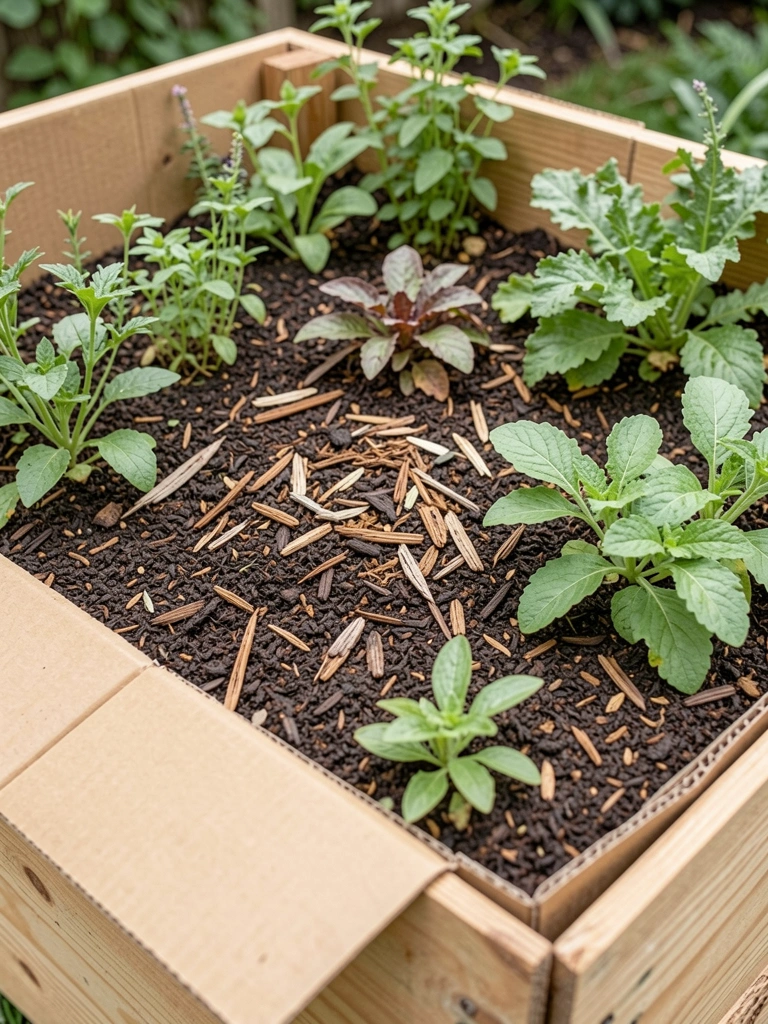
I planted a no-dig raised bed in a shady strip and it changed my weekend routine. Building it took a morning. I layered cardboard, compost and mulch and never dug the soil again. The plants settled quicker and weeds came up far less. I did crowd it at first and learned spacing matters; I cut back and they recovered. This bed now looks full with minimal work. I check water twice a week in summer and that’s it. I favor raised cedar sides because they stay level and don't rot quickly. I added a thin drip line with a timer; it paid back in ease and saved trips.
What You’ll Need for This Look
- Cedar raised bed kit (2×6 sides)
- Cardboard sheets (weed barrier)
- Compost (garden or bagged)
- Hardwood mulch (3-inch)
2. Gravel-and-Paver Low-Fuss Border
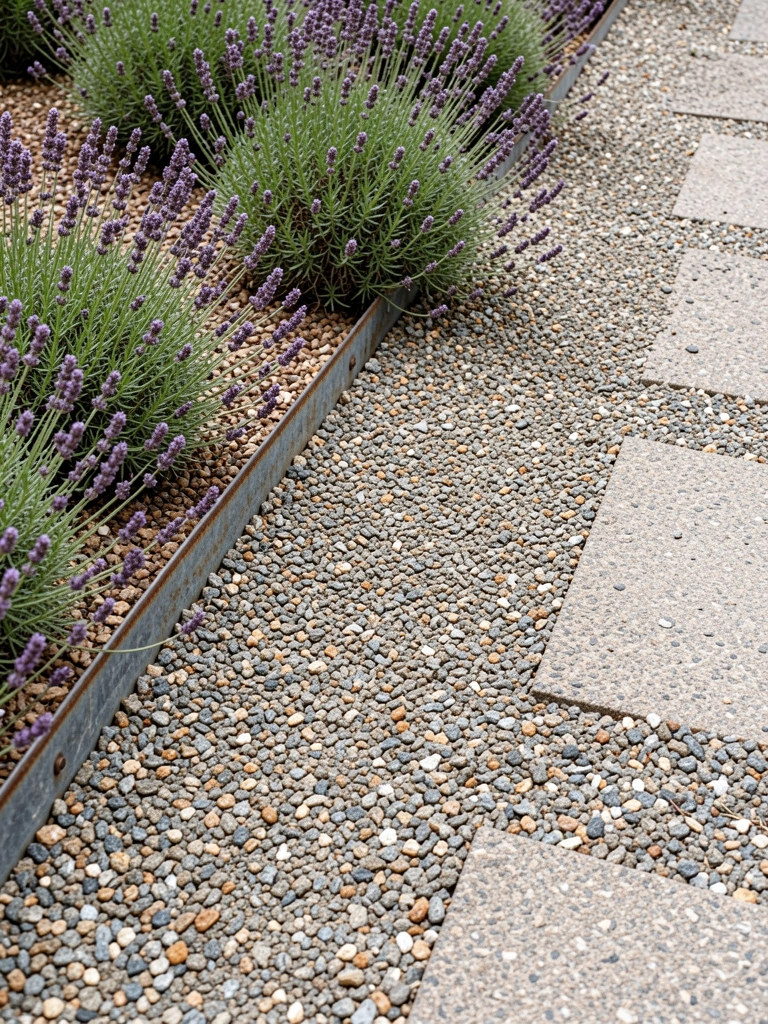
I carved a long gravel bed along the driveway and it cut my mowing and edging time in half. I used coarse gravel and spaced stepping pavers. I planted lavender, catmint and blue oat grass in drifts. They tolerate heat and rarely need fertilizer. I made a mistake putting tulip bulbs too close; they vanished under mulch. Now I plant wider clumps and only top-dress with gravel. The bed feels clean. I sweep leaves seasonally and replace a few pavers. I line the bed with metal edging to keep gravel contained and to stop grass creeping in. I water new plants for the first month only.
What You’ll Need for This Look
- Coarse gravel (3/8 inch)
- Stepping pavers (sandstone or concrete)
- Metal edging (galvanized)
- Lavender and catmint plants (clumping sizes)
3. Layered Container Planting That Makes a Patio Feel Full
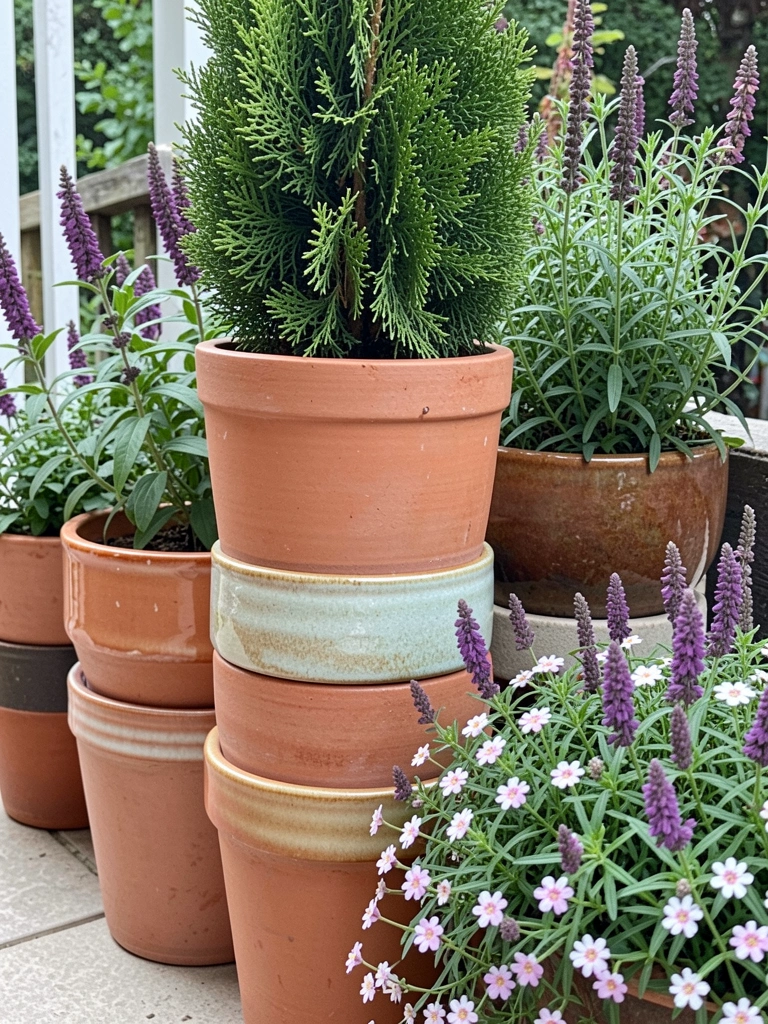
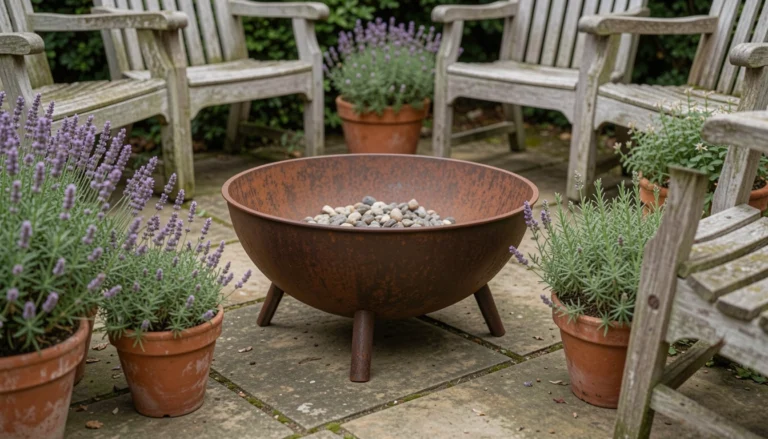
I switched a dull corner into a layered container bed and it feels like a room now. I used three sizes of terracotta and a couple of glazed pots. I put a tall conifer at the back, mid-height salvias and low trailing alyssum. The grouping hides the ugly air-con unit and needs watering maybe every other day in heat. I did overplant once and had to thin—learned to leave breathing room. Fertilizer once a month keeps blooms regular. It’s easy to change in a season if something fails. I add slow-release granules for foliage health and a saucer for each pot in winter.
What You’ll Need for This Look
- Terracotta planter set (varied sizes)
- Glazed ceramic pot (medium)
- Slow-release fertilizer granules
- Pot saucers (matched to pot size)
4. Native Meadow Strip for Once-a-Year Mow
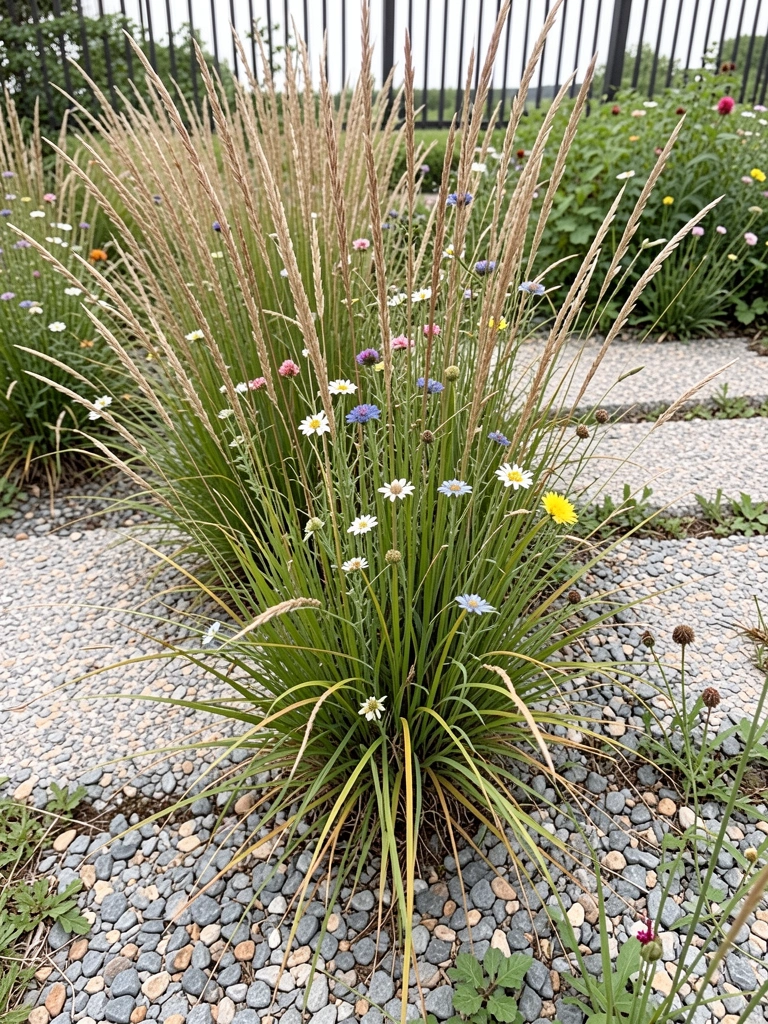
I turned a thin lawn strip into a native meadow bed and stopped endless edging. I sowed a mix of perennial grasses and native wildflowers. The first year looked messy; I panicked and clipped too often. Now I mow once a year in late winter and it rests. It draws bees and feels natural against my fence. I water only to help seedlings the first month. I learned to include clumping grasses to keep texture year-round. I also add a gravel path through it to step through without trampling. The neighbors asked where I bought the seed.
What You’ll Need for This Look
- Native wildflower and grass seed mix (local provenance)
- Coarse mulch for seedbed
- Gravel for a narrow path
- Hand seeder or broadcast spreader
5. Shade-Loving Shrub Bed with Leaf Mulch
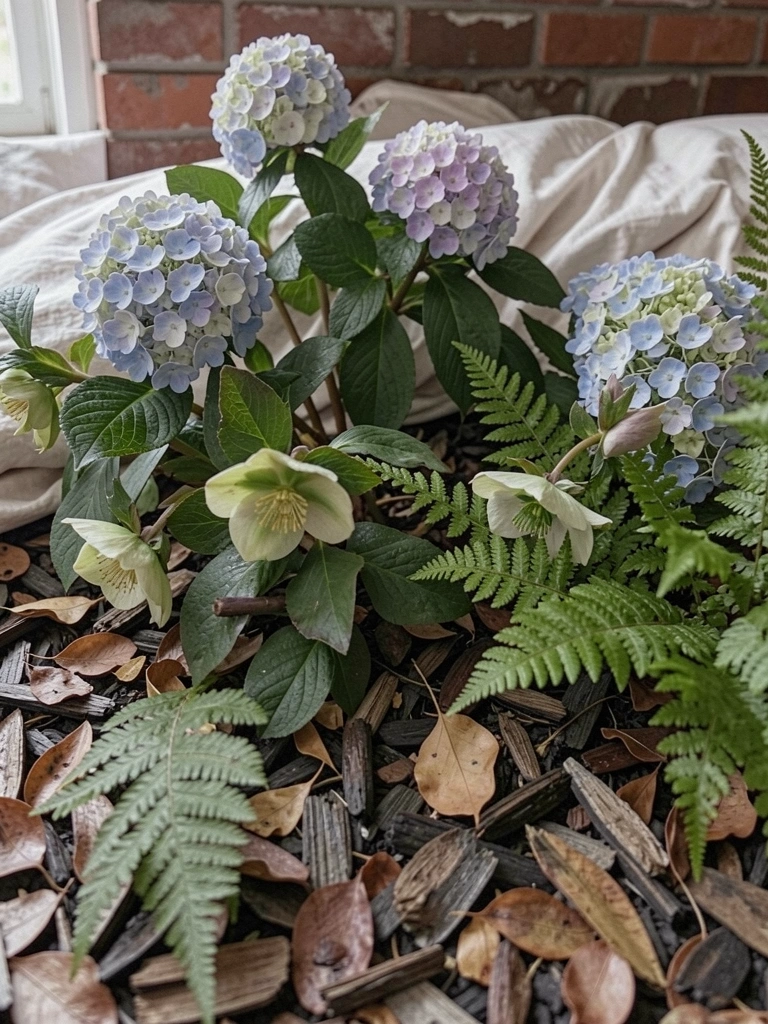
I created a low-maintenance shade bed with evergreen shrubs under tall trees. I chose hydrangeas, hellebores and a few ferns. A 3-inch layer of leaf mulch keeps moisture and cuts weeding. Early on I planted a thirsty azalea and it sulked until I moved it. Now I pick plants for that dry shade. The look is calm and green all year. I still trim dead wood in spring and add a slow-release fertilizer once a season. I tuck in a few shade-loving groundcovers for winter interest and to suppress weeds. A single solar lantern near the path gives a soft, usable glow.
What You’ll Need for This Look
- Shade shrubs (hydrangea, hellebore)
- Ferns (native or hardy varieties)
- Leaf mulch (3-inch layer)
- Solar path lantern, warm white
6. Raised Succulent and Rock Bed
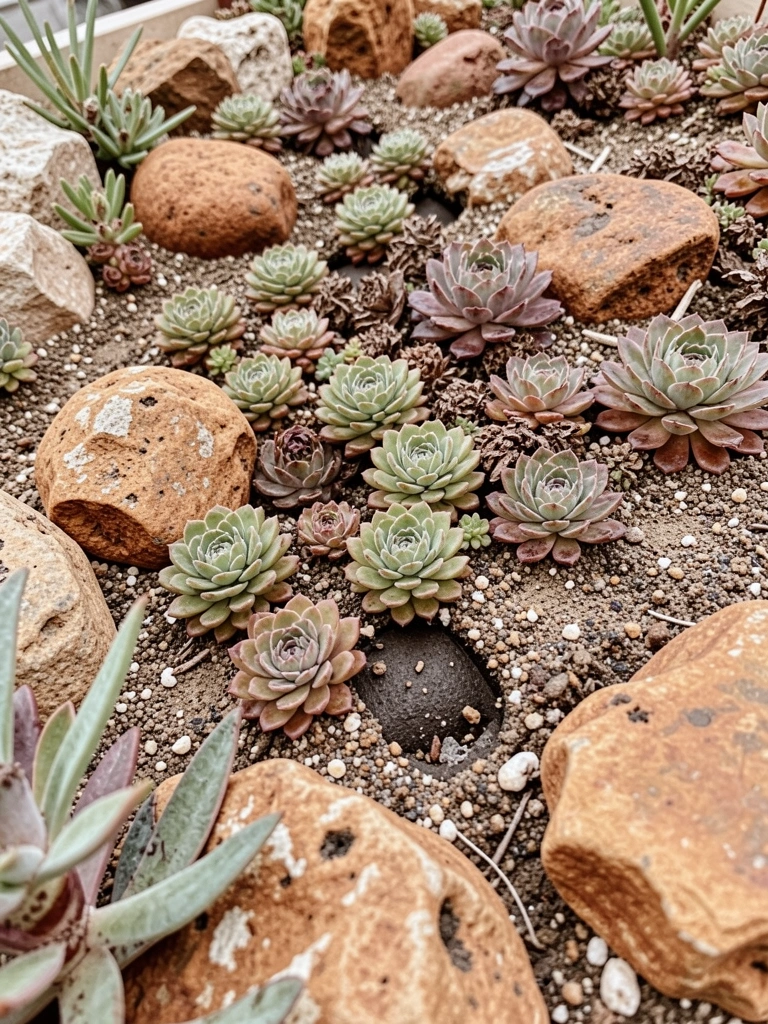
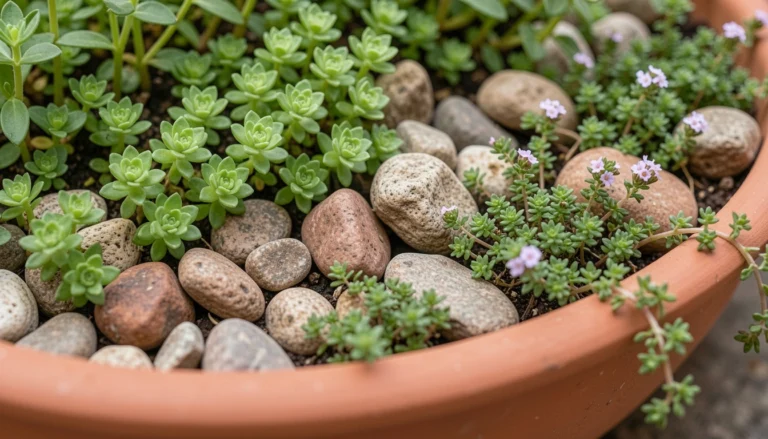
I tore out a soggy corner and made a succulent rock bed that’s nearly water-free. I raised the soil, added grit and arranged rocks to hold warmth. Sedum, aeonium and euphorbia take the heat and I only water if they wrinkle. I did over-fertilize once and ended up with floppy growth. Now I use a light hand with feed. The texture and rocks keep slugs away, which I appreciated. I placed a bench so I can sit and check the plants quickly. The best part is how little I think about this bed.
What You’ll Need for This Look
- Gritty cactus mix (sandy)
- Assorted rocks and stones (varied sizes)
- Succulents (sedum, aeonium, euphorbia)
- Small outdoor bench (weatherproof)
7. Perennial Drift Border for Seasonal Carry-Through
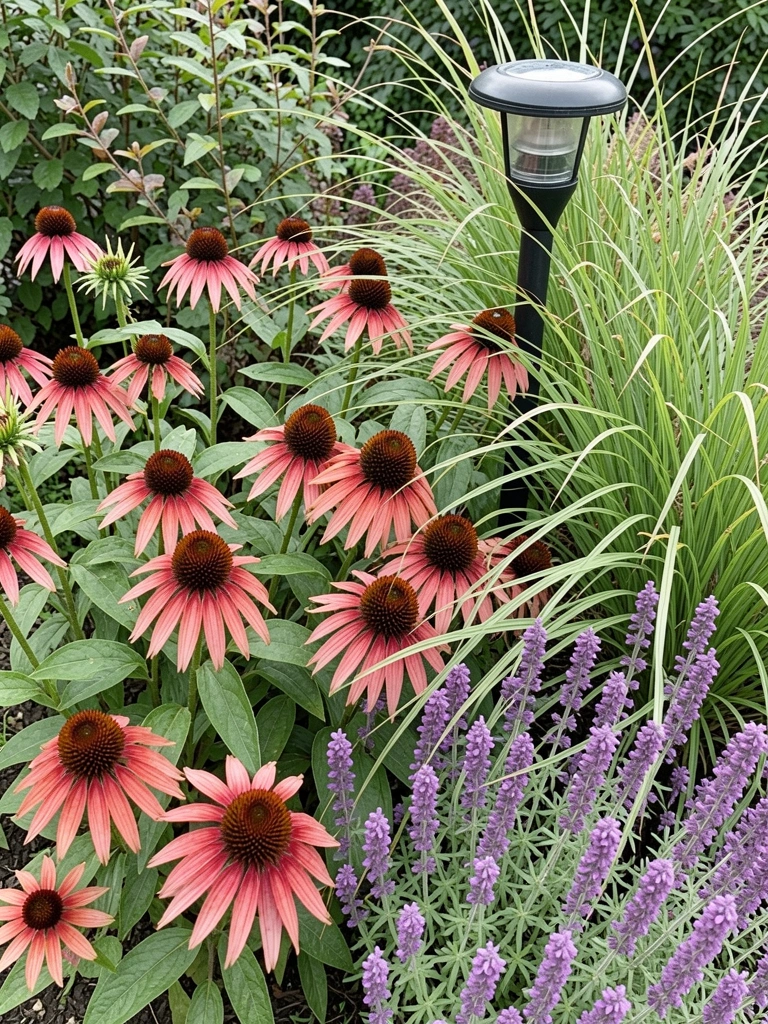
I swapped annuals for a perennial border and saved hours each year. I picked echinacea, salvia, nepeta and a few ornamental grasses. The border snaps into shape by July and carries through frost. I misjudged scale on one side and had to re-arrange bigger pieces. That taught me to map mature size first. I cut back in late autumn and leave seedheads for birds in winter. I add a thick layer of compost every other spring and the plants respond. I dot small solar stake lights among the plants so the border reads at night.
What You’ll Need for This Look
- Echinacea and salvia (perennial plugs)
- Ornamental grass clumps
- Compost (bulk or bagged)
- Solar stake lights (warm white)
8. Kitchen Herb Spiral That’s Always Ready
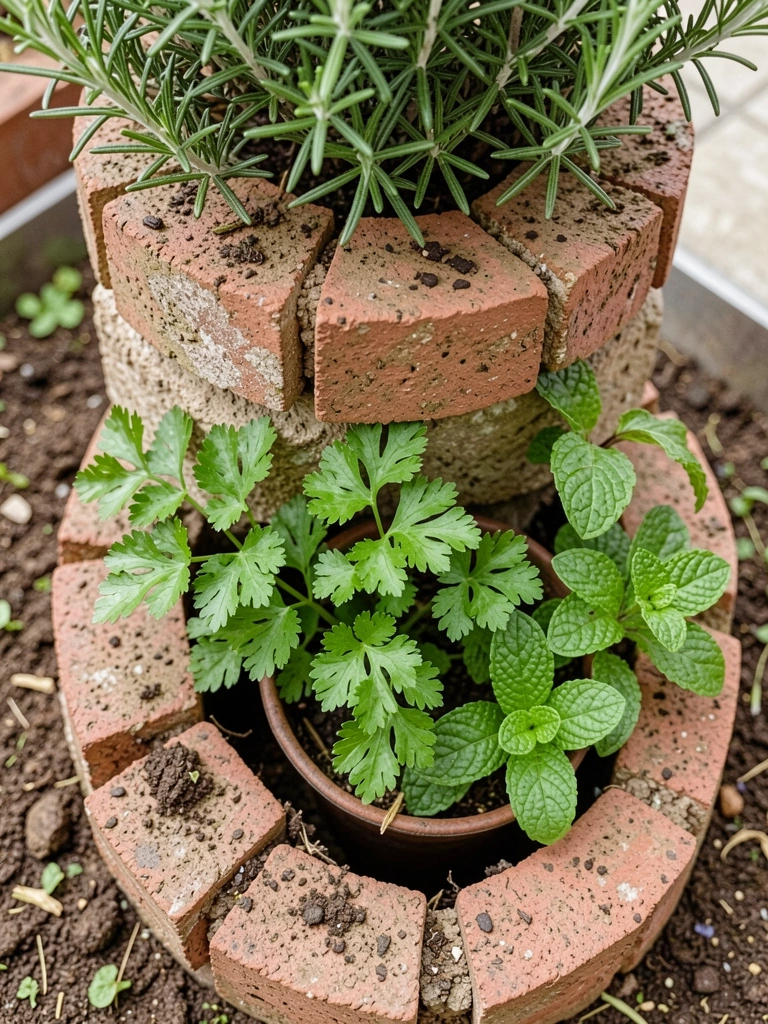
I built a simple herb spiral near the kitchen and it changed my cooking pace. I stacked bricks, filled with gritty, friable soil and planted rosemary at the driest top. Parsley and mint went lower. The spiral uses vertical space and keeps mint contained. I overwatered mint once and it clambered out; I now use a buried pot for it. Harvesting is two steps from the door and the scent is a daily reminder to cook. A small drip ring and a handful of compost in spring keep herbs vigorous.
What You’ll Need for This Look
- Bricks or stone (for spiral)
- Friable potting/soil mix
- Herbs (rosemary, parsley, mint in pot)
- Small drip ring irrigation
9. Monochrome White-and-Green Bed for Calm
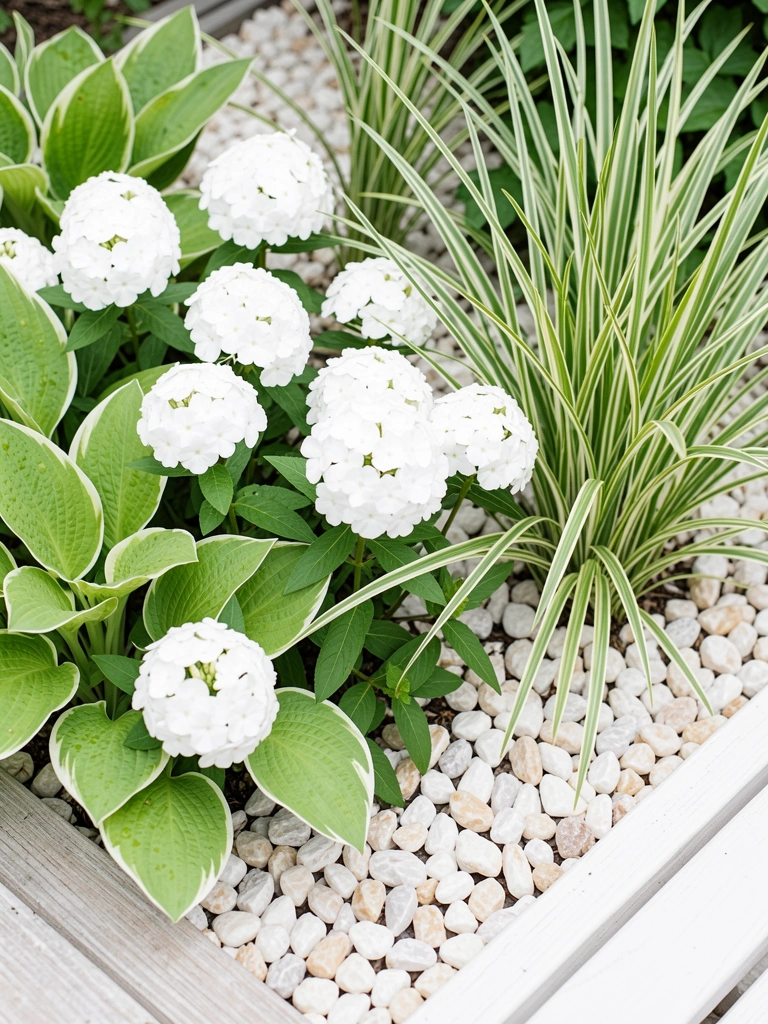
I designed a white-and-green bed to cut visual noise by the back door. Using mostly white phlox, white hostas and variegated grasses made maintenance easier—fewer choices, fewer mistakes. The single palette hides replacement plants when something fails. I did plant a bold red annual once and it felt loud; so I removed it. I tidy this bed with light pruning and leaf clean-up. I mulch with pale gravel to reflect light into the shady areas. Guests often say it feels calm and easy.
What You’ll Need for This Look
- White phlox or similar white perennials
- Variegated hostas and grasses
- Pale gravel mulch (pea gravel)
- Small bench or seat (optional)
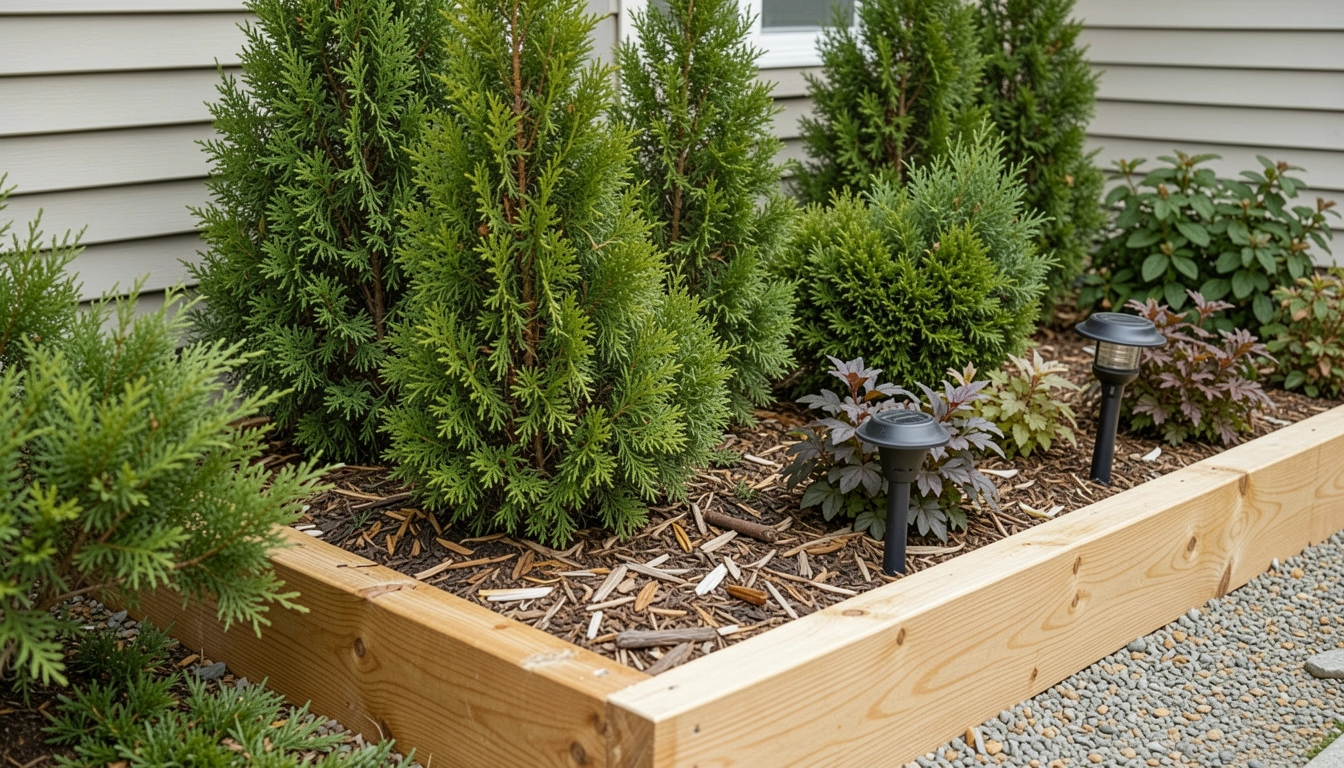
10. Structured Evergreen Foundation Bed
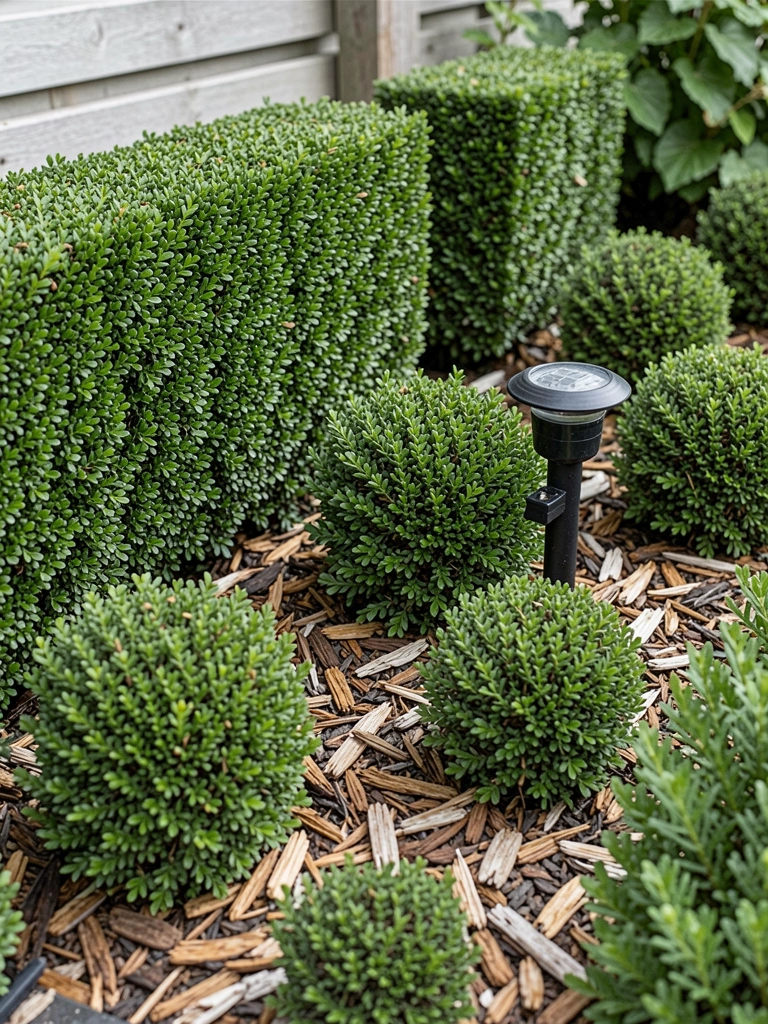
I reworked a patch under windows into a low-maintenance evergreen foundation bed. I used boxwood, dwarf conifers and a few seasonal bulbs for spring. The structure keeps the house looking neat year-round. I planted too deep the first time and a few shrubs sulked; I dug them up and reset them shallower. I prune lightly once a year and cut back any crossing branches. A layer of bark mulch keeps soil temperature stable. I add a simple bench and small solar uplights to read plant shapes at night. It’s a small investment that pays off in curb appeal without extra work.
What You’ll Need for This Look
- Boxwood or dwarf evergreen shrubs
- Dwarf conifers (small varieties)
- Bark mulch (2–3 inches)
- Small solar uplights
11. Mobile Planters on Casters for Seasonal Swaps
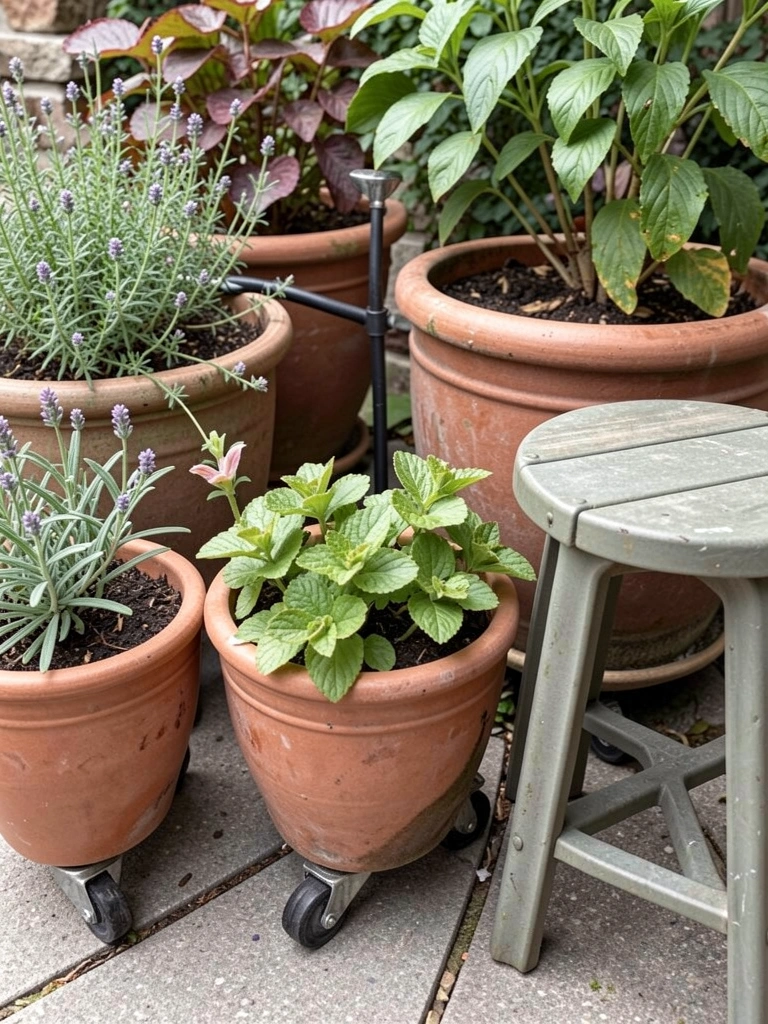
I created a set of mobile planters on casters to rotate seasonal interest without bending beds. In spring I roll them to fill gaps with bulbs. In summer I group them for leafy shade. In winter I move them under an overhang and replace with winter rosemary. The mobility lets me trial plants without commitment. I once chose cheap pots and the wind tipped them; now I use heavier ceramic or add stones. Watering is simple with a single drip line looped between pots. I add a pair of weatherproof stools for quick weeding sessions. The system makes seasonal swaps feel manageable, not overwhelming.
What You’ll Need for This Look
- Ceramic or heavy planters (medium)
- Planter caster wheels (rated outdoor)
- Single drip irrigation line and fittings
- Weatherproof stools (for quick tasks)
Final Thoughts
You don’t need to do all of these. Pick one that fits your time and space.
I started with a single raised bed and it freed me to enjoy the garden again. Small choices add up. Trust the plants and your schedule.