10 Front Yard Garden Design Layout Ideas For Corner Houses
A corner house gives you more space to play with. But it also gives you more pressure. Two sides to design. Two angles people notice. I know that feeling when you stand outside and think, “Where do I even start?”
I’ve been there. I’ve tested layouts that looked great on paper but failed outside. So here, I’m sharing ideas that actually work. Simple. Practical. And made for real homes, not magazine fantasies.
1. Wraparound Layered Garden Layout
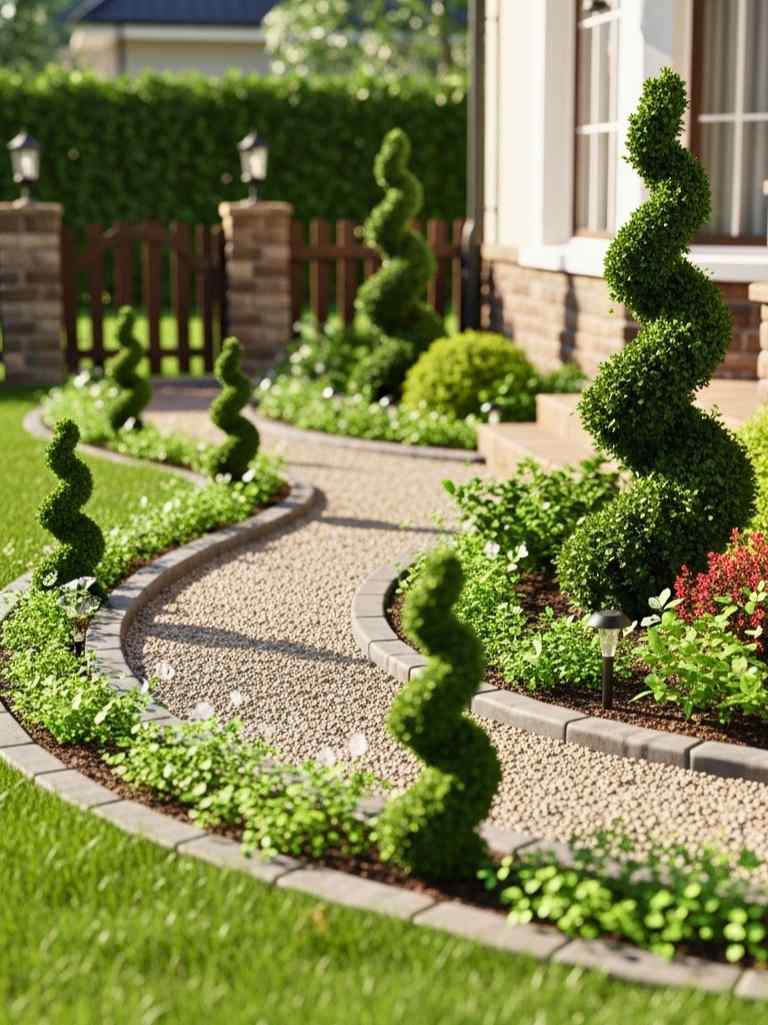
A corner plot loves layers. I like to treat both visible sides as one flowing space. Start with taller plants at the back. Medium shrubs in the middle. Ground covers at the front. This layered plant design creates depth without crowding the yard.
I usually place evergreen shrubs along the boundary. Then I add flowering plants for seasonal color. It keeps things fresh all year. You can also mix textures. Soft grasses with bold leaves look amazing together.
This layout works great if your yard feels too open. It gives structure. It also makes maintenance easier because each layer has its own job. You water and trim with purpose, not guesswork
2. Curved Pathway with Soft Edges
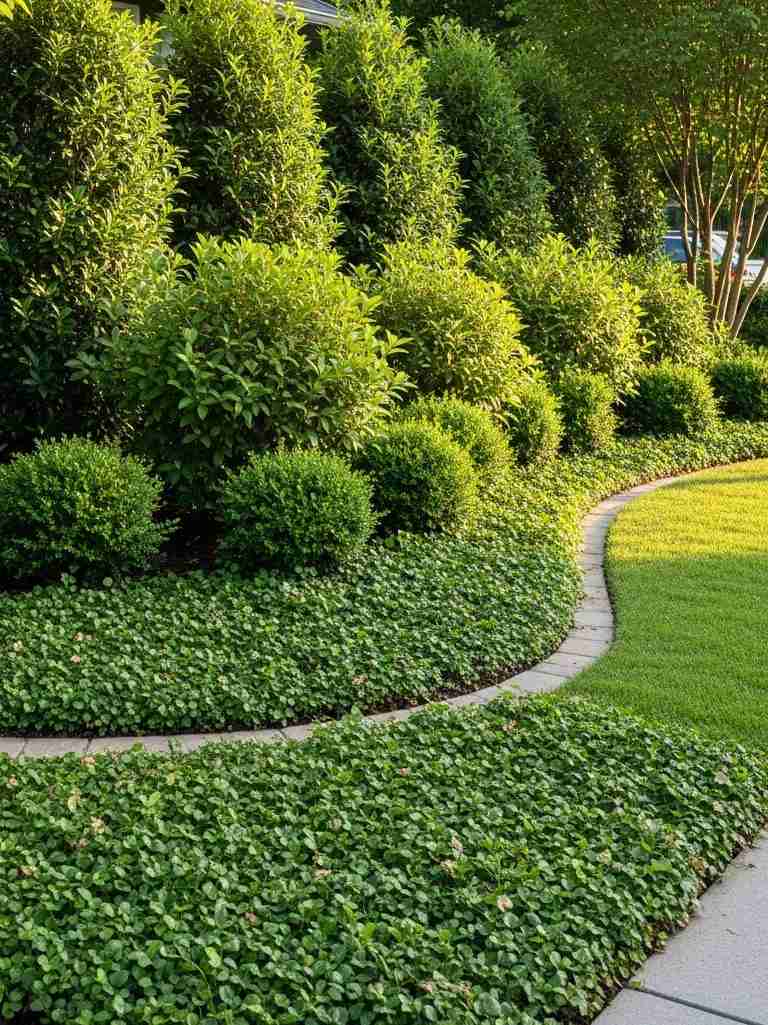
Straight lines feel too harsh for a corner garden. I prefer curves. A curved pathway design helps guide the eye and softens the sharp corner angle.
I usually start the path from one entrance and let it gently bend toward the other side. Use stone, gravel, or brick. Keep it natural. Then plant low greenery along the edges. It makes the path feel alive.
This layout also makes your yard feel bigger than it is. Funny trick, but it works. People slow down when they walk curved paths. That means they notice your garden more. And yes, that’s exactly what we want.
3. Cozy Corner Seating Nook
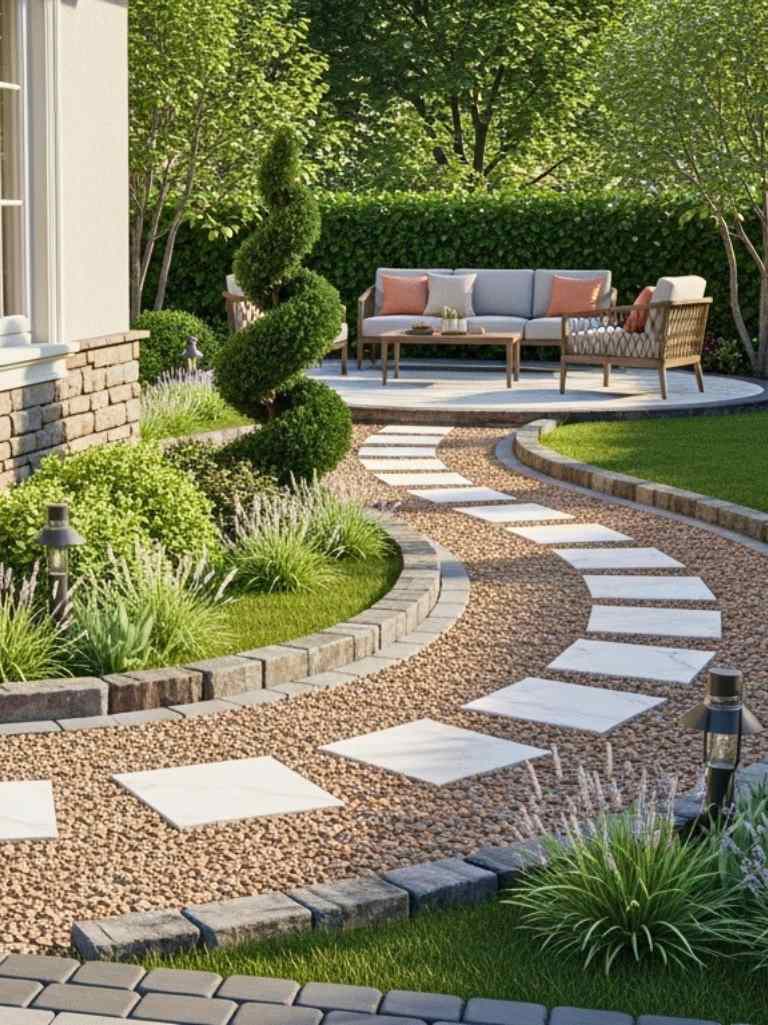
I once turned an awkward corner into a seating nook. Honestly, I thought no one would use it. I was wrong. It became everyone’s favorite spot.
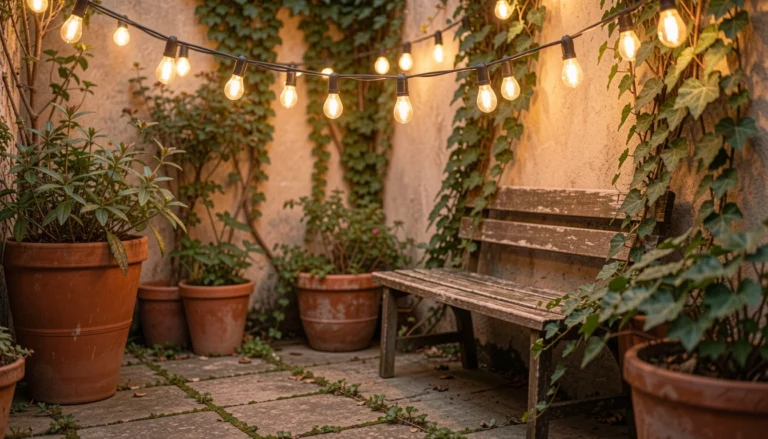
I placed a small bench under a tree. Added two large planters. That’s it. You don’t need much. A corner space naturally feels private, even in a front yard.
Use climbing plants or tall grasses behind the seat. It creates a soft wall. This also fits well with a low maintenance frontyard setup. Less lawn. More purpose.
Now whenever I pass by, I sit for a minute. Sometimes with tea. Sometimes just to breathe.
4. Modern Minimalist Green Layout
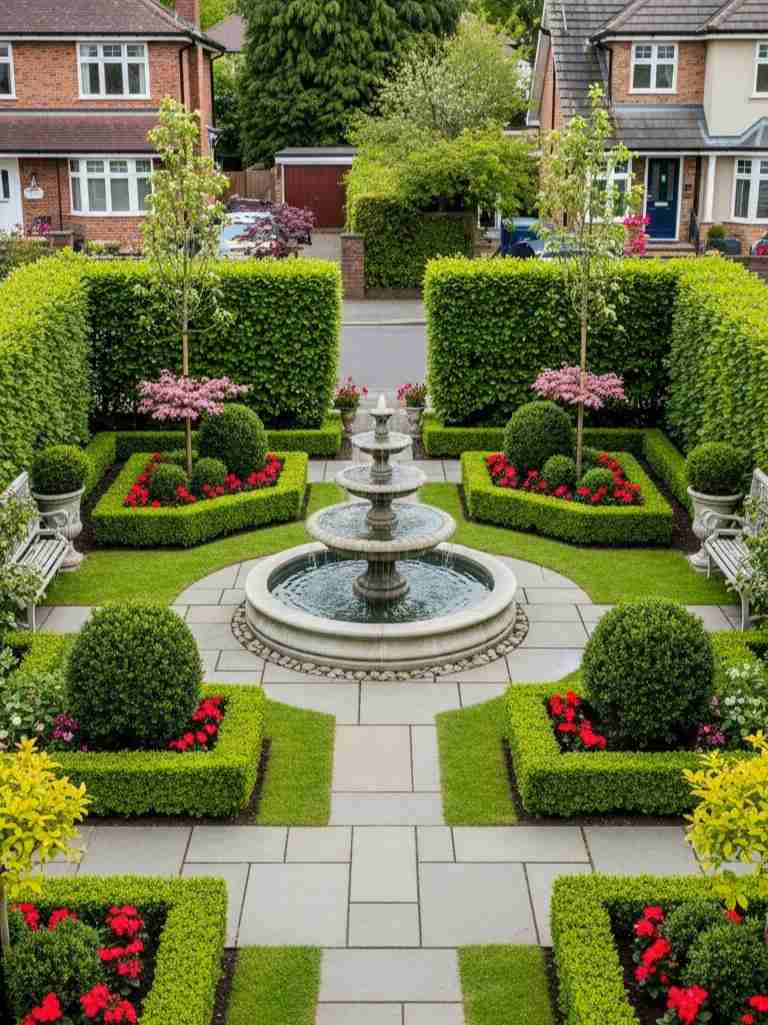
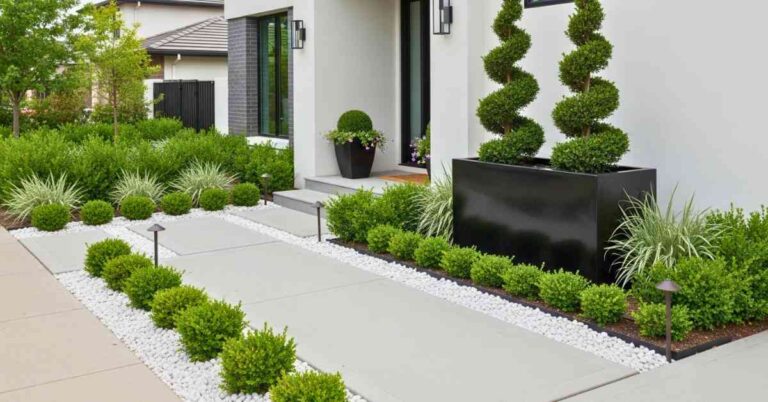
If you like clean spaces, go for a modern minimalist layout. Keep it simple. Fewer plants. Strong shapes.
I usually use box shrubs or trimmed hedges. Add gravel or concrete sections. Stick to two or three plant types only. This keeps the look sharp.
The trick here is spacing. Don’t overcrowd. Let each plant stand out. You can also add a statement tree near the corner edge. It becomes the main feature.
This layout is perfect if you don’t want daily upkeep. It looks neat even with minimal effort. And it photographs beautifully for Pinterest.
5. Native Plant Border Design
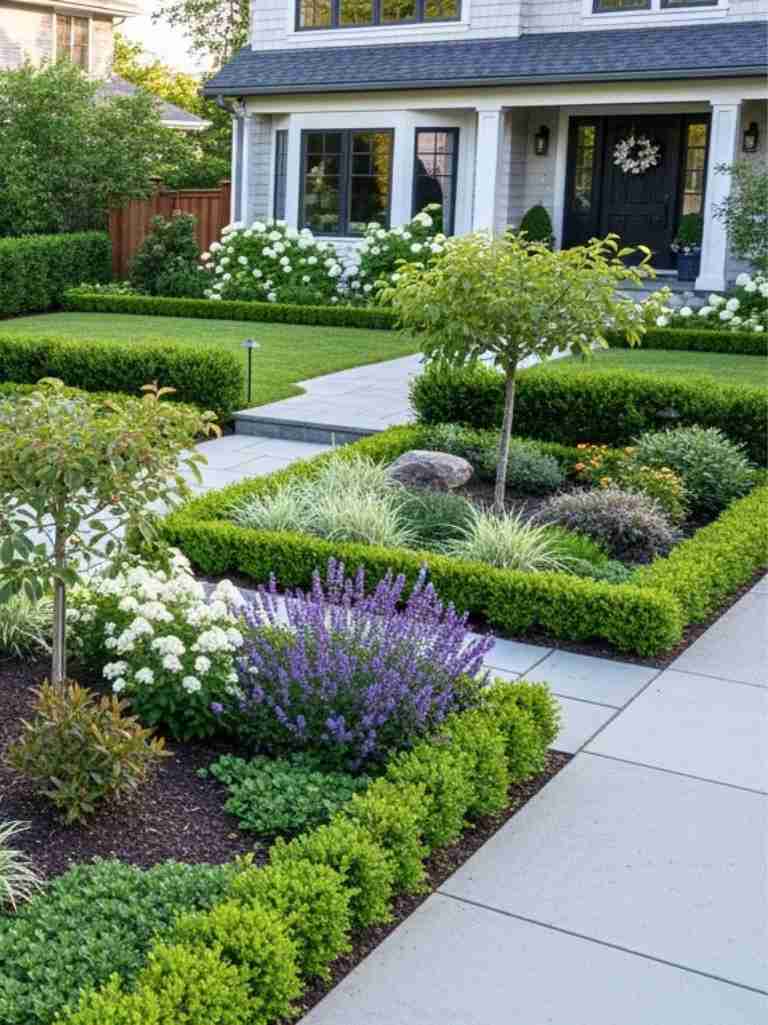
Native plant landscaping saves time and effort. I always suggest this for busy homeowners. These plants already know how to survive your climate.
Create a border along both sides of the corner. Mix wildflowers, grasses, and shrubs that grow naturally in your region. They need less water. Less care.
I like how this layout feels relaxed. Not forced. Bees and butterflies show up too, which is always a win.
It also supports a low maintenance frontyard goal. You spend less time fixing problems. More time enjoying the space.
6. Split-Zone Layout with Lawn and Beds
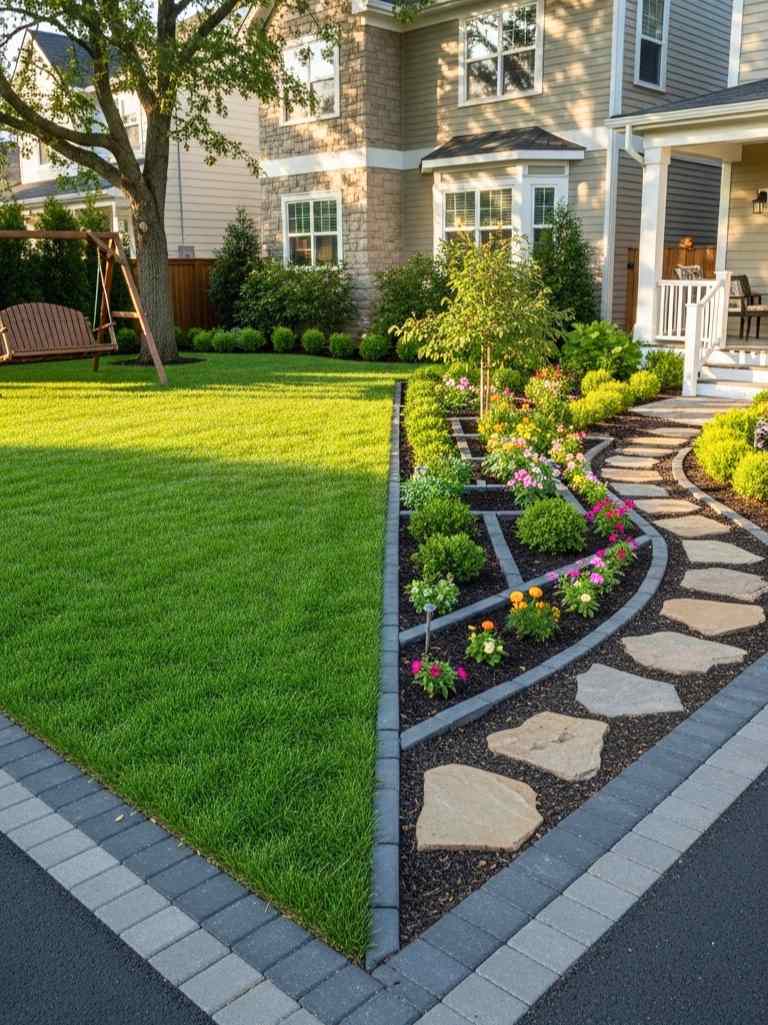
I tried dividing my corner yard into two zones once. One side lawn. One side planting beds. It changed everything.
I used a simple border to separate the spaces. Nothing fancy. Just a clear line. The lawn stayed open for movement. The garden side carried all the visual weight.
This layout works great if you have kids or pets. You keep a usable space while still having a styled garden.
I remember thinking I needed a full garden everywhere. Turns out, balance looks better. And feels better too.
7. Corner Focal Point with Statement Tree
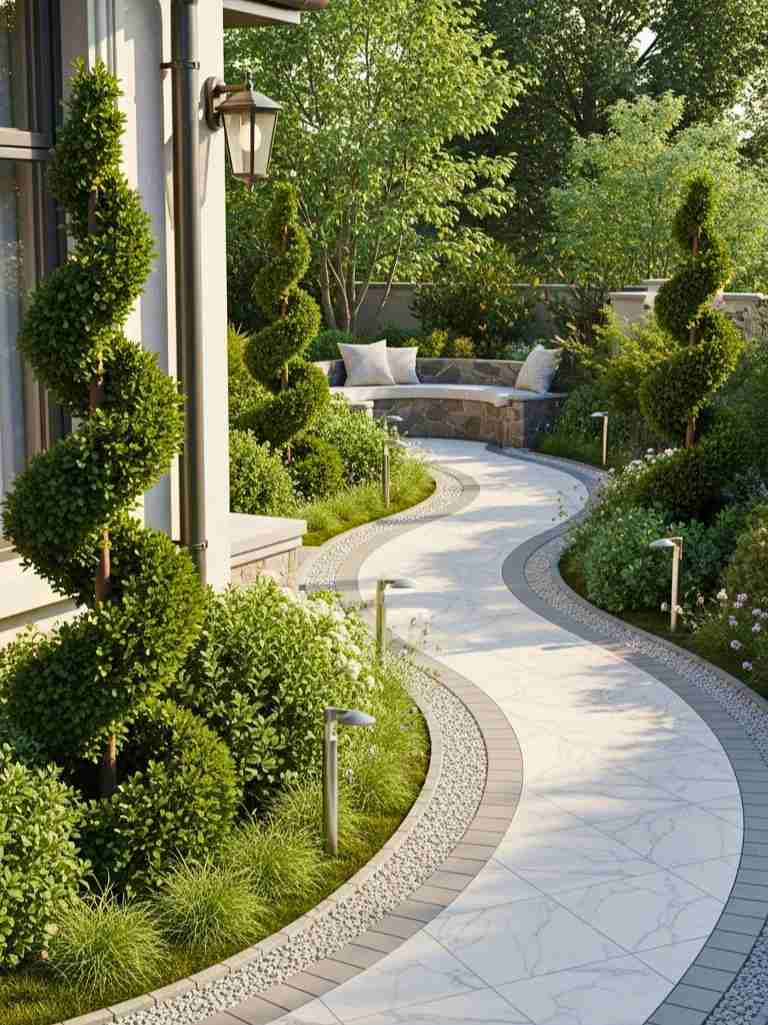
Every corner needs a star. I like to place a statement tree right at the visible angle. It anchors the whole design.
Pick something with shape or color. Japanese maple, olive tree, or even a flowering tree. Then build around it with low plants.
Keep the area clean. Don’t overcrowd the base. Let the tree breathe. This creates a natural focal point that pulls attention instantly.
It also helps structure your layout. Everything else starts to fall into place around that one feature.
8. Diagonal Planting Layout
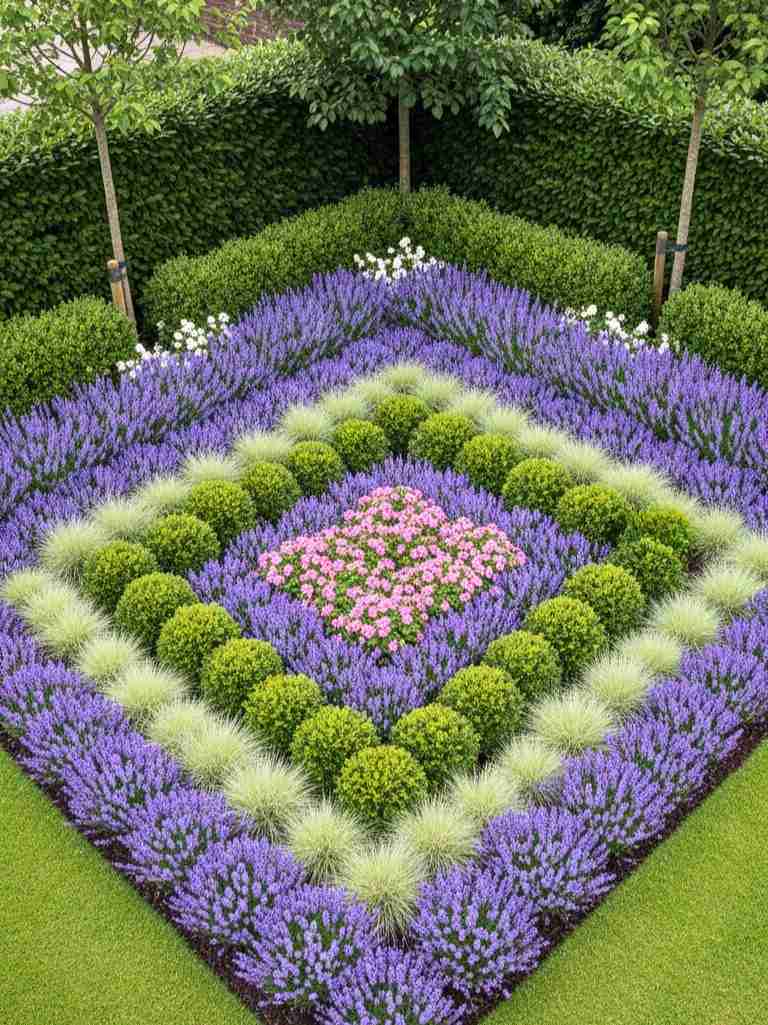
Instead of planting straight lines, go diagonal. It sounds small, but it changes the whole look.
I align plants from one corner edge toward the opposite side. It creates movement. Your eye follows the direction naturally.
Use repeating plants for consistency. Maybe shrubs or flowering plants in a pattern. This works well with a layered plant design too.
Diagonal layouts break the boxy feel. They make your garden feel more dynamic without adding extra elements.
9. Rock and Gravel Low Maintenance Design
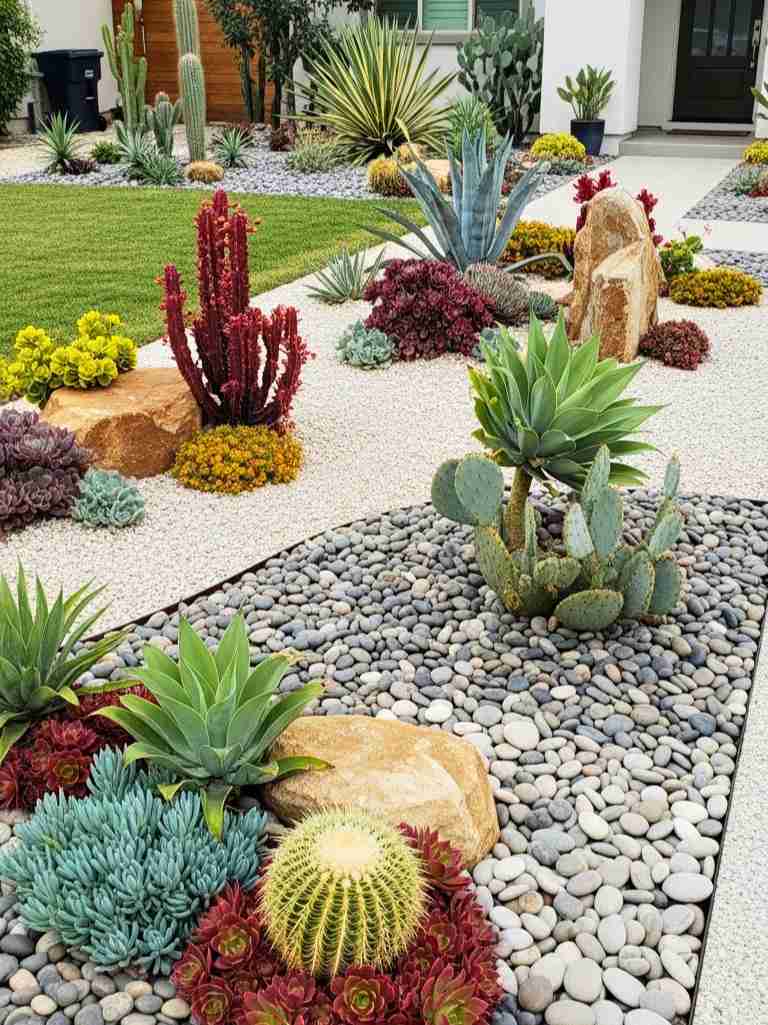
If you want less work, this one is for you. Replace large lawn areas with gravel and rock sections.
I usually combine stones with drought-tolerant plants. Think succulents, grasses, and small shrubs. It gives a clean and modern look.
This fits perfectly into a low maintenance frontyard plan. No mowing. Less watering. Still looks styled.
Add a few large rocks as accents. It brings a natural vibe without trying too hard. And yes, it holds up well in all seasons.
10. Symmetrical Corner Layout
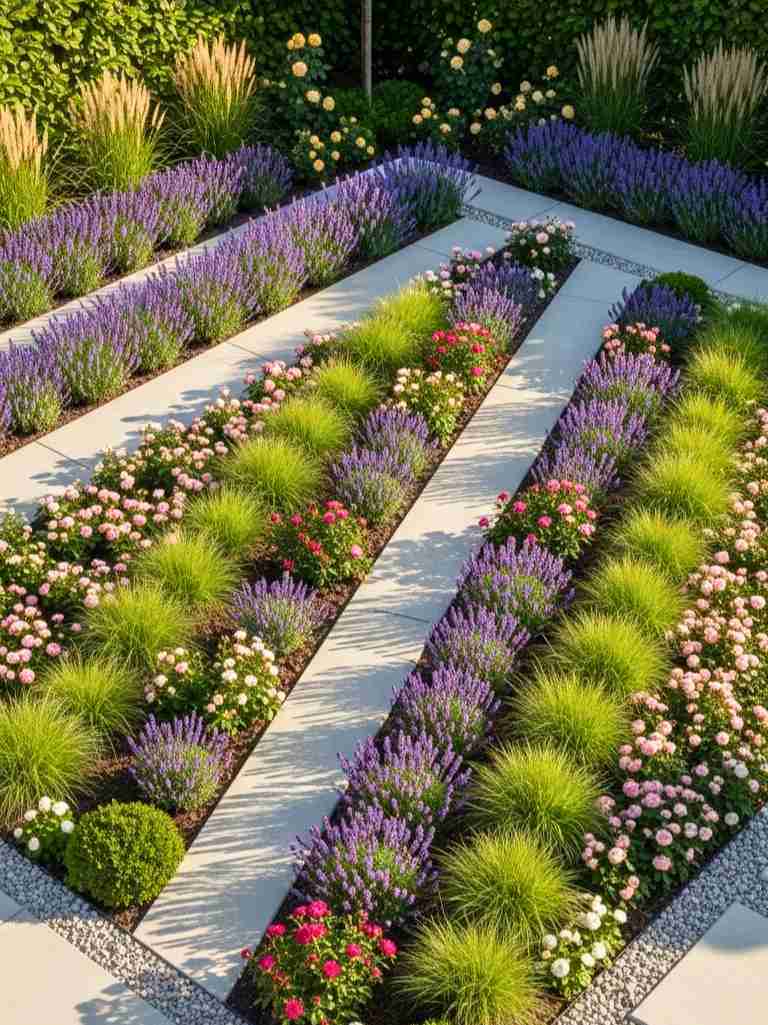
Symmetry brings calm. I like using this when I want a neat and balanced look.
Plant matching shrubs or trees on both sides of the corner. Mirror the layout as much as possible. Keep spacing equal.
You can add a central feature like a pathway or small bed right at the corner point. It ties everything together.
This layout works great for formal homes. It looks polished. It also makes planning easier because you repeat the same elements.
Conclusion
A corner front yard is not a problem. It’s an opportunity. You just need the right layout to make it work for you.
Start simple. Pick one idea that fits your lifestyle. Build around it. Your garden doesn’t need to be perfect. It just needs to feel right when you step outside.